 뒤로
Anatomy & Physiology Core Concepts
 02:59

이 집합의 용어 (20)
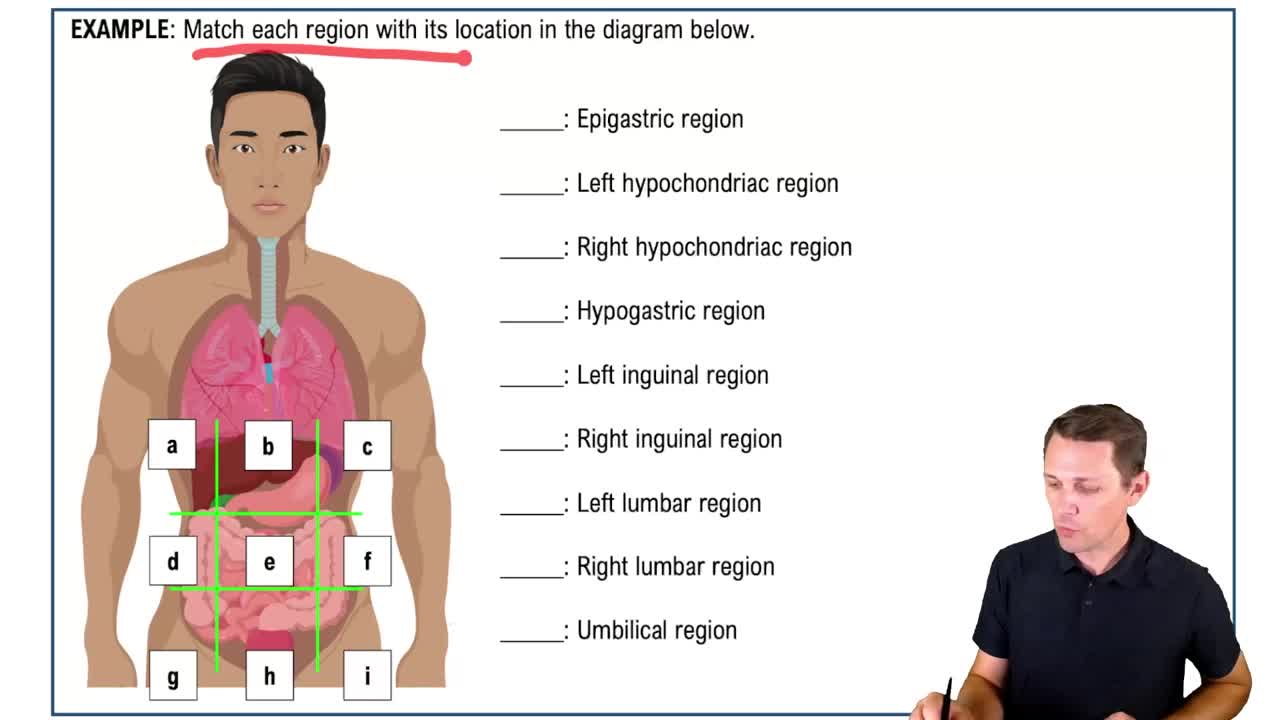
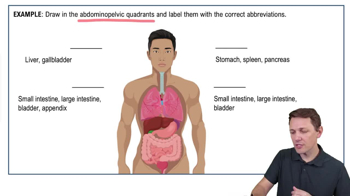
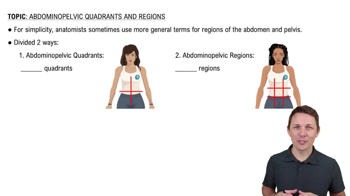
The right upper quadrant, left upper quadrant, right lower quadrant, and left lower quadrant.
Connective tissue supports, connects, or separates different types of tissues and organs in the body.
Epithelial tissue forms protective layers covering body surfaces and lining cavities and organs.
The dorsal cavity (cranial and spinal) and the ventral cavity (thoracic and abdominopelvic).
Regional anatomy studies specific areas of the body, focusing on all structures within that region.
Sectional anatomy examines cross-sections of the body to study internal structures in planes.
Homeostatic regulation is the body's process to maintain stable internal conditions despite external changes.
Examples include the nervous, circulatory, respiratory, digestive, muscular, and skeletal systems.
Anatomical regions are specific areas of the body used to describe locations, such as the thoracic or abdominal regions.
They help localize symptoms or findings to specific areas for diagnosis and treatment.
Types include loose, dense, cartilage, bone, and blood, each supporting and connecting tissues differently.
Regional anatomy focuses on one body area; sectional anatomy studies slices or planes through the body.
The sagittal, frontal (coronal), and transverse planes.
It protects, absorbs, secretes, and filters substances across body surfaces and cavities.
The cranial cavity houses the brain; the spinal cavity contains the spinal cord.
They provide a standardized way to describe locations for study and clinical reference.
Homeostasis maintains internal balance through feedback mechanisms despite external changes.
Support, protection, insulation, energy storage, and transportation of substances.
Squamous (flat), cuboidal (cube-shaped), and columnar (tall column-like).
They protect organs and allow for organ movement and growth within enclosed spaces.