Skip to main content
Anatomy & Physiology
나의 코스
배우기
시험 준비
AI 튜터
학습 가이드
교과서적 해결책
플래시카드
탐험해 보세요
앱을 사용해 보세요
나의 코스
배우기
시험 준비
AI 튜터
학습 가이드
교과서적 해결책
플래시카드
탐험해 보세요
앱을 사용해 보세요
뒤로
Anatomy & Physiology Exam 1 Review
카드를 뒤집기 위해 탭할 수 있습니다.
General functions of organ systems
카드를 뒤집기 위해 탭할 수 있습니다.
👆
General functions of organ systems
Each organ system has specific roles such as support, movement, circulation, digestion, and regulation to maintain homeostasis.
진행 상황 추적
컨트롤 버튼이 '내비게이션' 모드로 변경되었습니다.
1/29
추천 영상
02:29
Introduction to Organ Systems
30071
views
761
rank
02:18
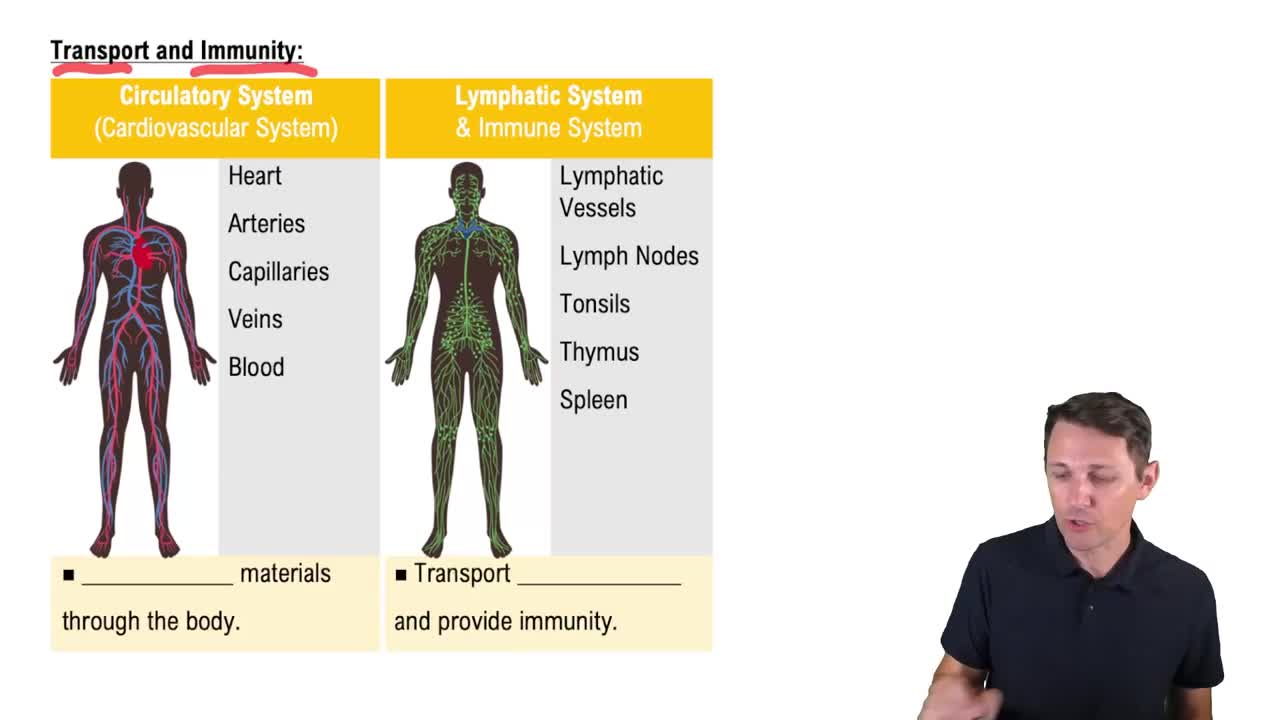
Transport and Immunity
17223
views
467
rank
1
comments
02:12
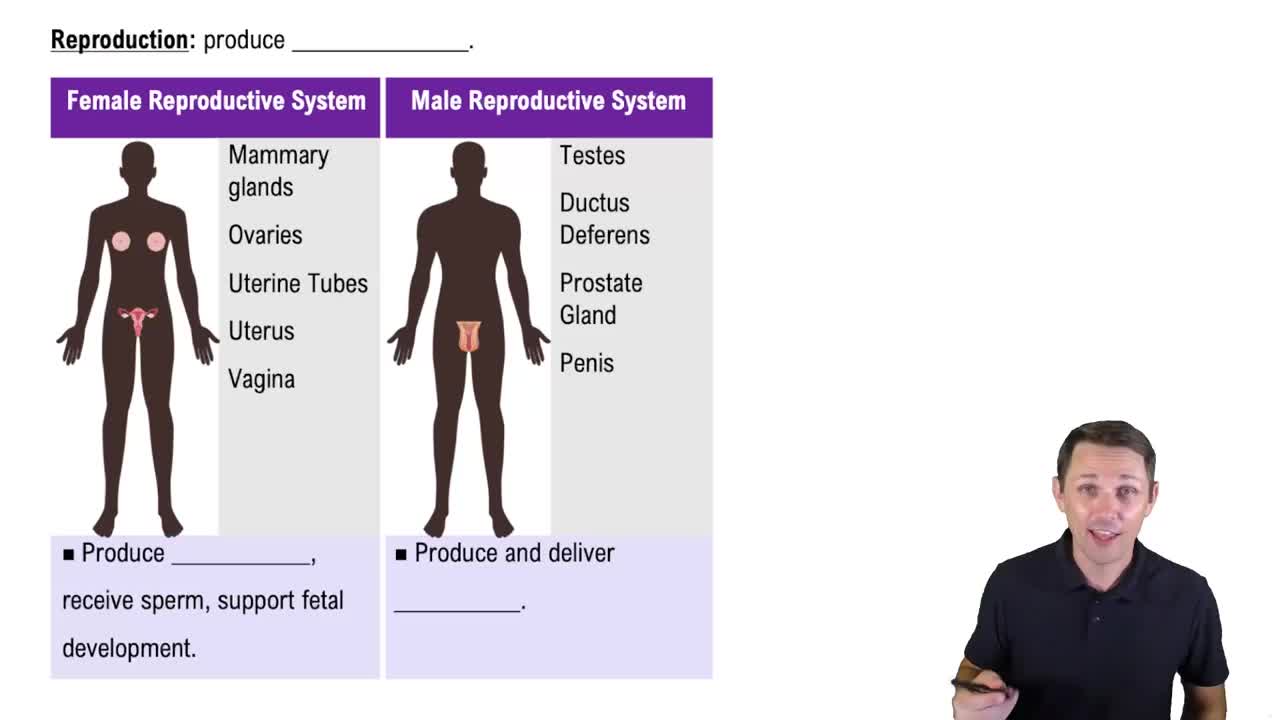
Reproduction
14423
views
386
rank
2
comments
이 집합의 용어 (29)
하이드의 정의
General functions of organ systems
Each organ system has specific roles such as support, movement, circulation, digestion, and regulation to maintain homeostasis.
Definition of brachial
Relating to the arm, specifically the upper arm region.
Definition of cephalic
Pertaining to the head.
Definition of gluteal
Refers to the buttock region.
Definition of axillary
Relating to the armpit area.
Definition of patellar
Pertaining to the kneecap.
Definition of inguinal
Refers to the groin area.
Definition of cervical
Relating to the neck region.
Definition of gastric
Pertaining to the stomach.
Definition of pudendal
Relating to the external genitalia.
Anatomical directional terms
Terms like anterior, posterior, medial, lateral describe locations and directions on the body.
Types of chemical bonds
Includes ionic, covalent, and hydrogen bonds, each differing in electron sharing or transfer.
Subatomic particles
Protons (positive charge), neutrons (neutral), and electrons (negative charge) make up atoms.
Types of energy in biology
Includes kinetic energy, potential energy, chemical energy, and others relevant to cellular processes.
Levels of protein structure
Primary (sequence), secondary (alpha helix/beta sheet), tertiary (3D folding), and quaternary (multiple polypeptides).
Definitions: cells, tissues, organs, organ systems, organisms
Cells form tissues; tissues form organs; organs form organ systems; organ systems form organisms.
Anatomic position
Body standing upright, facing forward, arms at sides, palms facing forward.
Order of biological complexity
Molecules → cells → tissues → organs → organ systems → organism.
Difference between introns and exons
Exons code for proteins; introns are non-coding sequences removed during RNA processing.
Central dogma basic steps
DNA is transcribed into RNA, which is translated into protein.
Structure and function of plasma membrane
A phospholipid bilayer with proteins that controls substance entry and exit.
Roles of organelles
Examples: mitochondria produce energy; ribosomes synthesize proteins; lysosomes digest waste.
Definition and steps of mitosis
Cell division process with phases: prophase, metaphase, anaphase, telophase, ending in two identical cells.
mRNA sequence from DNA strand
mRNA is complementary to DNA, replacing thymine (T) with uracil (U).
Cell in isotonic solution
Cell volume remains stable as water moves equally in and out.
Cell in hypertonic solution
Cell loses water and shrinks due to higher solute concentration outside.
Cell in hypotonic solution
Cell gains water and may swell or burst due to lower solute concentration outside.
Definition of phagocytosis
Process where cells engulf large particles or other cells.
Passive vs active transport
Passive transport requires no energy (e.g., diffusion); active transport requires energy to move substances against gradients.
 뒤로뒤로
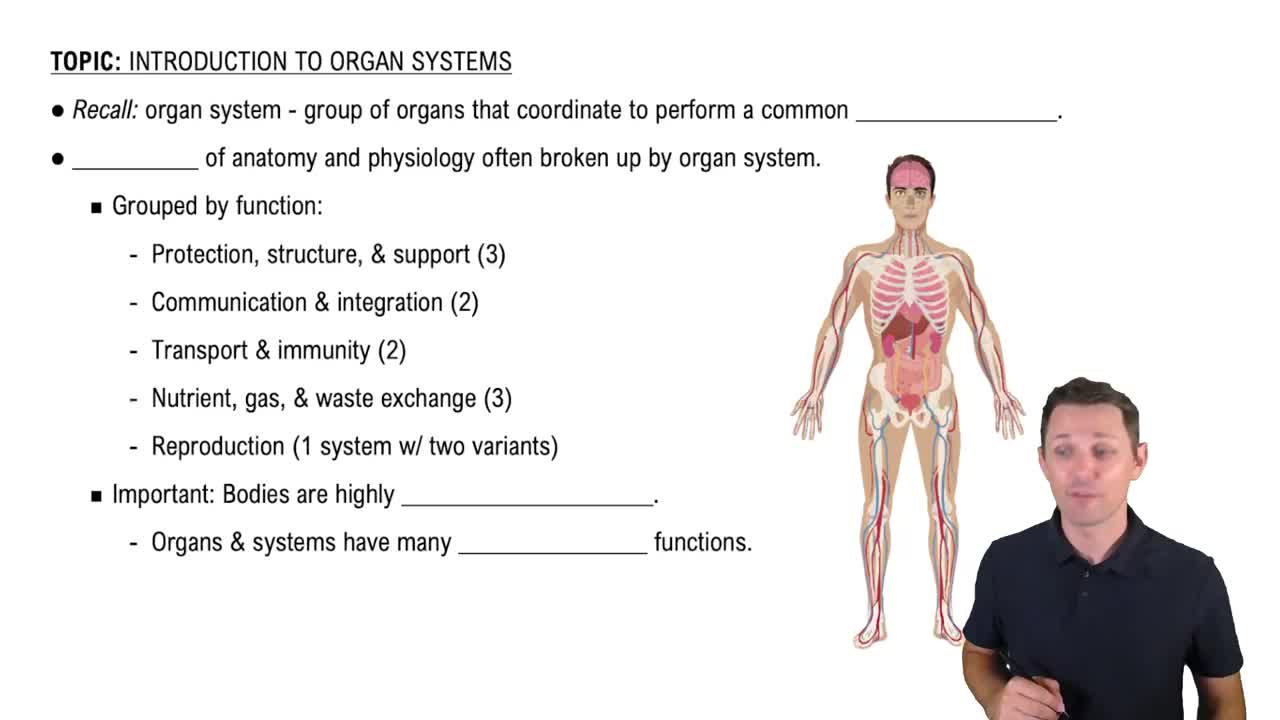
 02:29