 뒤로
Anatomy & Physiology: Joints and Movements
 04:06

이 집합의 용어 (23)
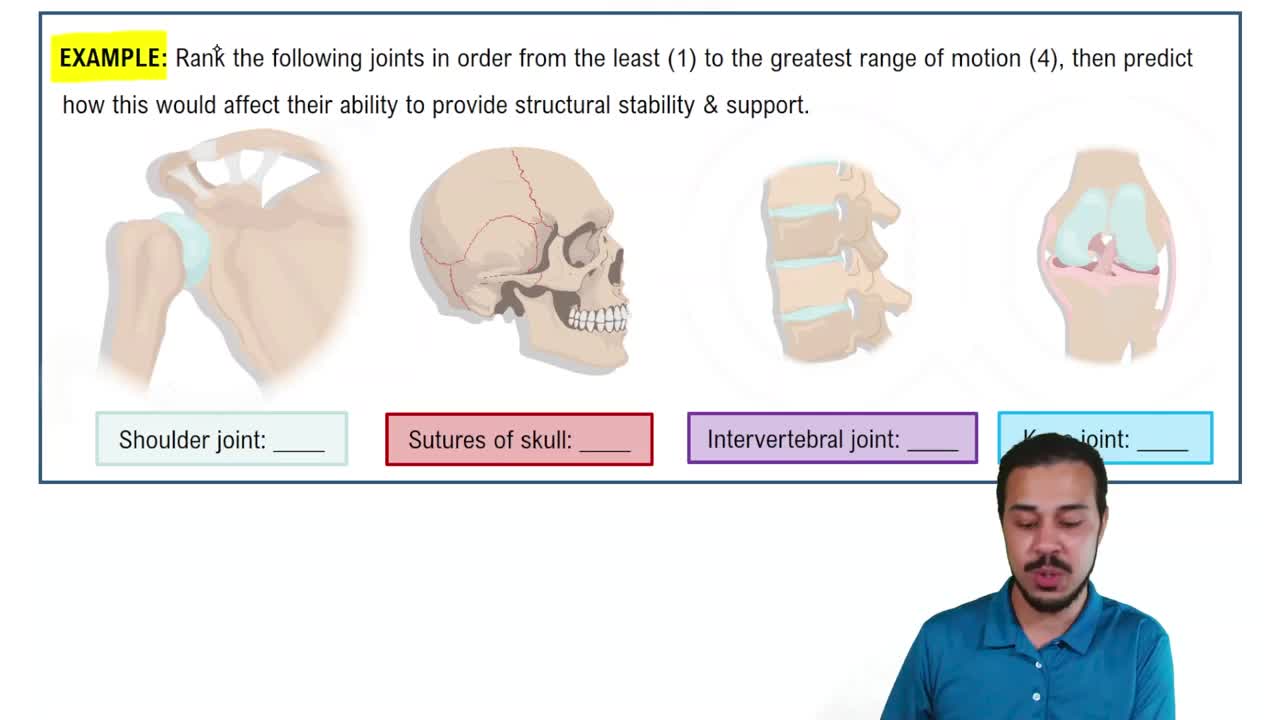
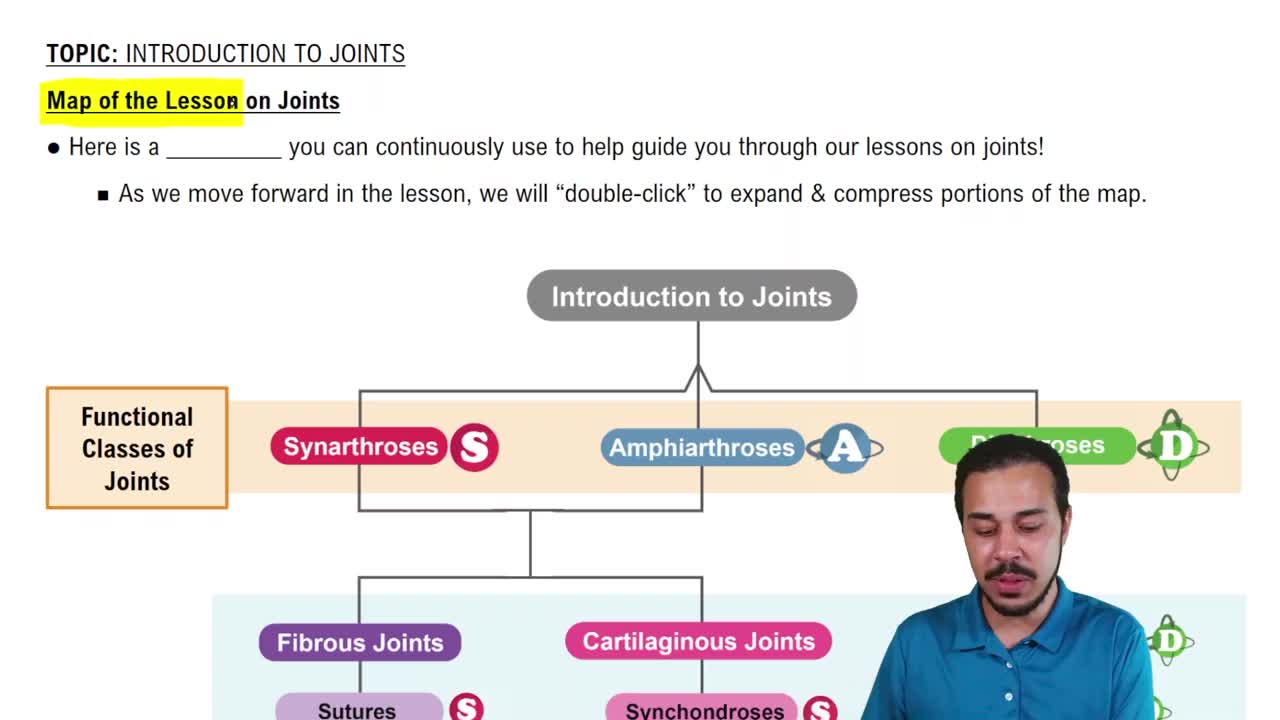
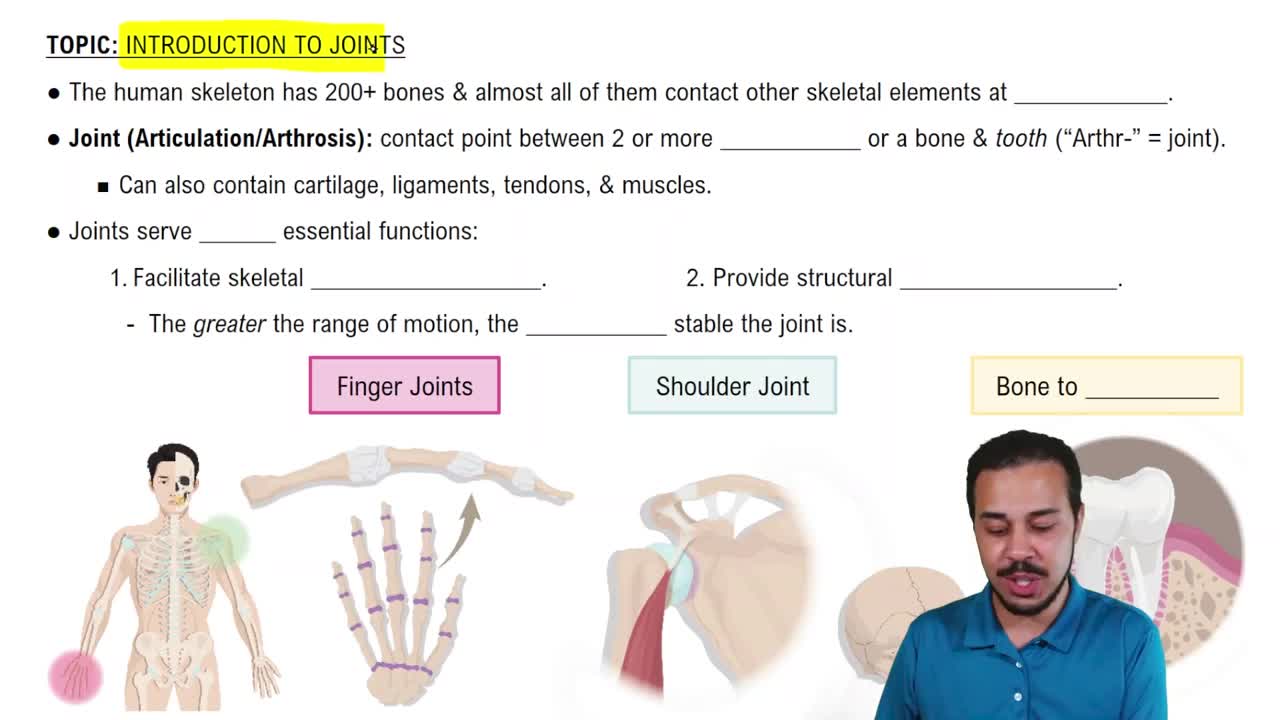
Fibrous, cartilaginous, and synovial joints.
Joints connected by dense connective tissue, allowing little or no movement.
Joints connected by cartilage, permitting limited movement.
A freely movable joint with a synovial cavity filled with fluid.
Plane, hinge, pivot, condylar, saddle, and ball-and-socket joints.
Allows gliding or sliding movements between flat bone surfaces.
Flexion and extension like bending and straightening.
Rotation around a single axis.
Allows movement in two planes: flexion-extension and abduction-adduction.
Flexion-extension, abduction-adduction, and limited circumduction.
They allow movement in all planes including rotation.
Flexion decreases the angle between bones; extension increases it.
Abduction moves a limb away from the midline; adduction moves it toward the midline.
Movement of a bone around its longitudinal axis.
The humerus, scapula, and clavicle.
Acromion, coracoid process, glenoid cavity, and spine of scapula.
The humerus, radius, and ulna.
Olecranon, trochlea, capitulum, and coronoid fossa.
The femur and the pelvic bone (acetabulum).
Acetabulum, iliac crest, ischial tuberosity, and pubic symphysis.
The femur, tibia, and patella.
Patella, tibial tuberosity, medial and lateral condyles of femur and tibia.
Frontal bone, parietal bone, occipital bone, temporal bone, and mandible.