 뒤로
Anatomy & Physiology Key Concepts
 06:37

이 집합의 용어 (20)
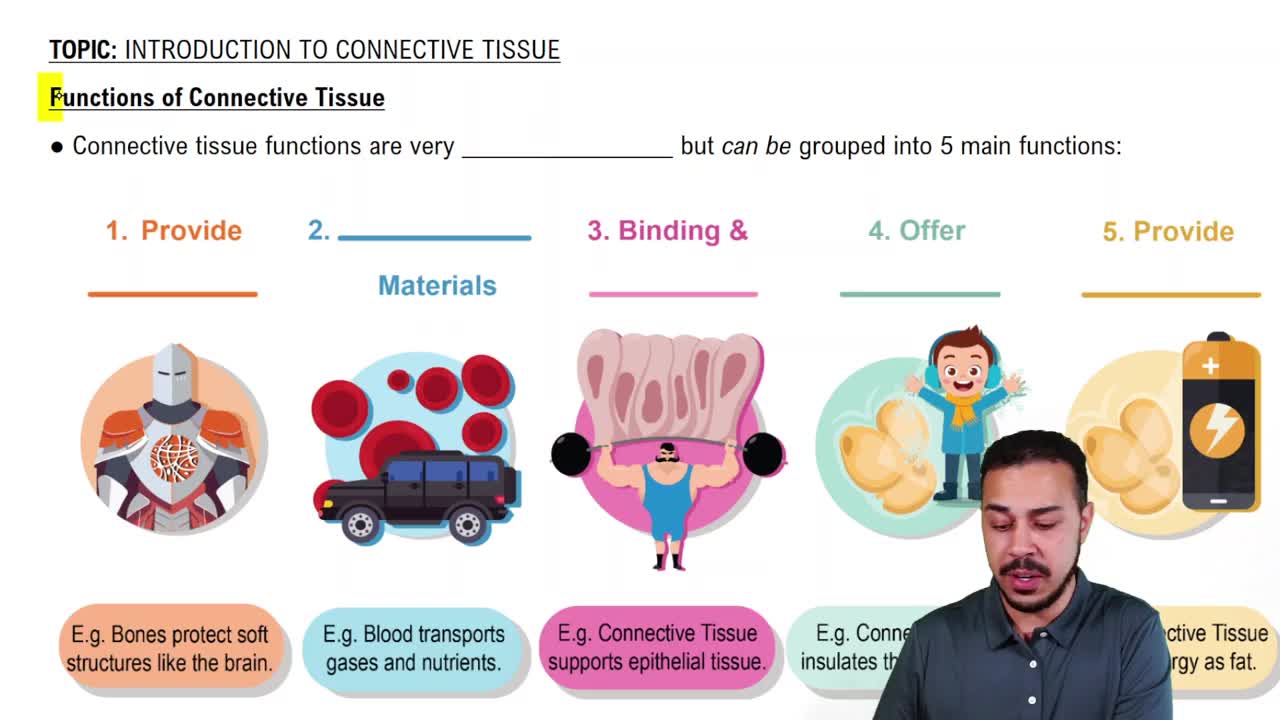
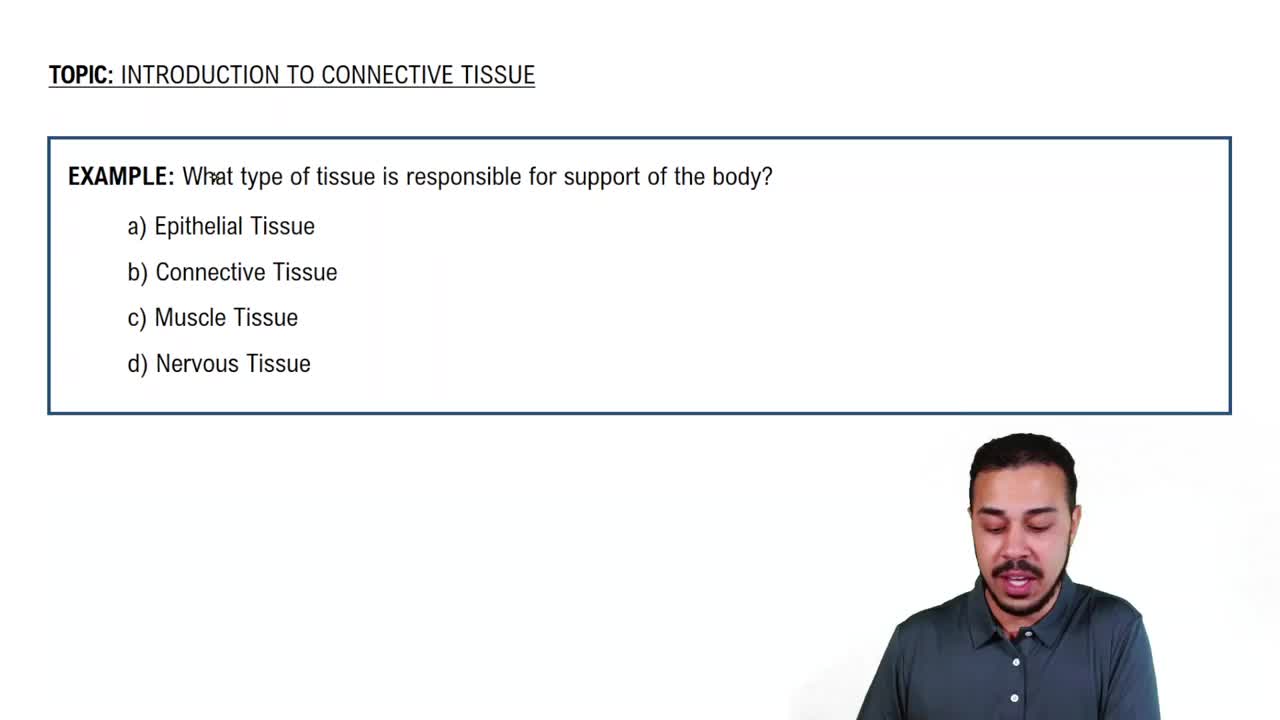
Connective tissue types include loose connective tissue, dense connective tissue, cartilage, bone, blood, and adipose tissue.
The plasma membrane is made of a phospholipid bilayer with embedded proteins, cholesterol, and carbohydrates that regulate transport and communication.
Hypertonic solutions cause cells to shrink as water leaves; hypotonic solutions cause cells to swell as water enters.
Homeostasis is the body's ability to maintain a stable internal environment despite external changes.
Exocrine glands secrete substances through ducts; endocrine glands release hormones directly into the bloodstream.
The anatomical position is standing upright, facing forward, arms at sides, palms facing forward.
Major cavities include the cranial, thoracic, abdominal, and pelvic cavities.
Organelles perform specific functions like energy production, protein synthesis, and waste removal within cells.
Membrane potential is established by ion gradients, mainly Na+ and K+, maintained by the sodium-potassium pump.
Apoptosis is programmed cell death; autolysis is self-digestion of cells after death.
Keratin is a protein that strengthens skin, hair, and nails, providing protection and waterproofing.
First-degree burns affect the epidermis; second-degree affect epidermis and dermis; third-degree extend through all skin layers.
Negative feedback reverses a change to maintain homeostasis; positive feedback amplifies a response.
Tissues with high cell turnover like epithelial heal well; tissues like nervous tissue have limited healing due to low regeneration.
Frontal (coronal), transverse (horizontal), and sagittal planes divide the body into different sections.
Membrane proteins include integral, peripheral, and glycoproteins, involved in transport, signaling, and structure.
Osmosis is the diffusion of water across a semipermeable membrane from low to high solute concentration.
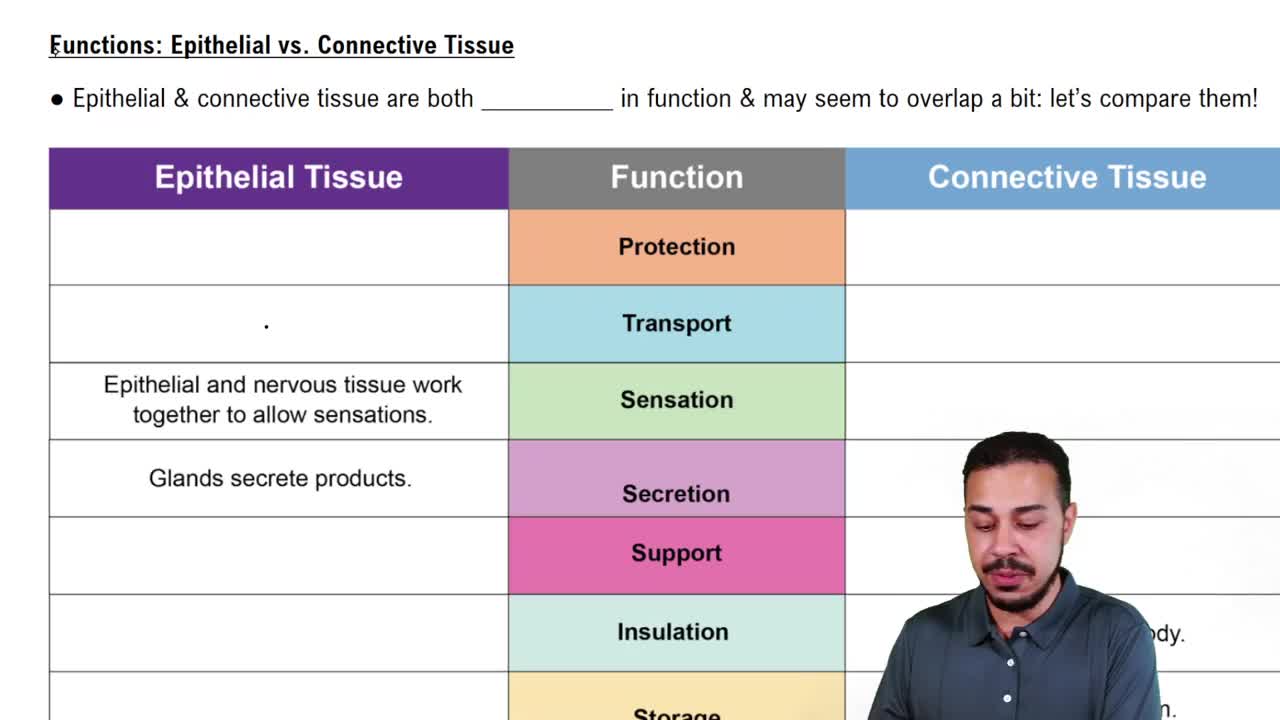
Materials pass through epithelial tissue and underlying connective tissue layers.
The upper dermis layer is the papillary layer, rich in capillaries and sensory neurons.
Saturated fats have no double bonds and are solid at room temperature; unsaturated fats have double bonds and are liquid.