 뒤로
Anatomy & Physiology Key Concepts
 2:05

이 집합의 용어 (25)
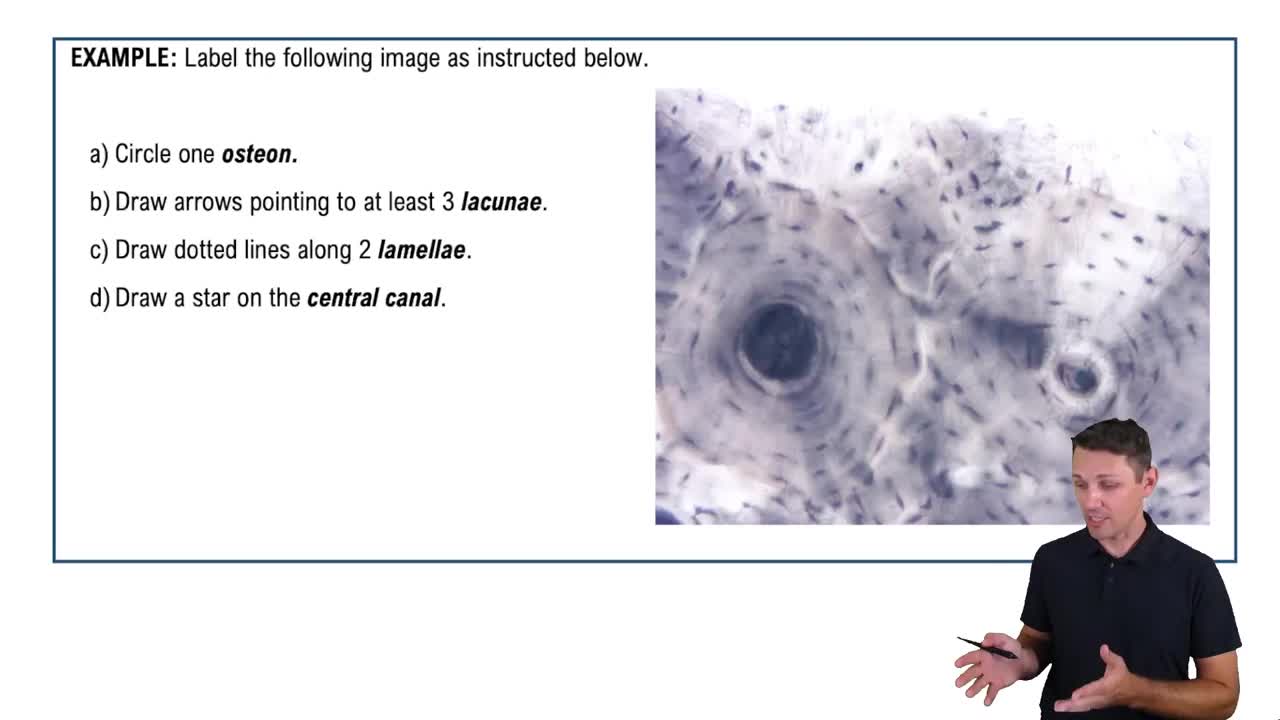
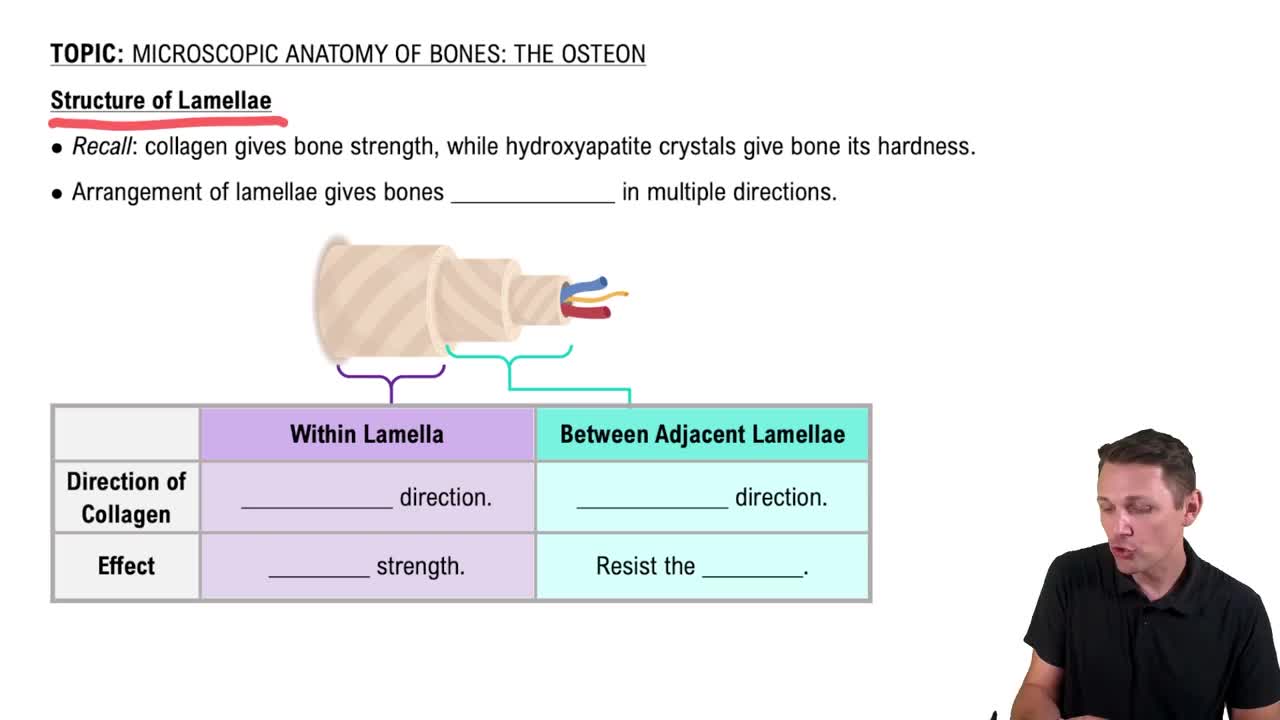
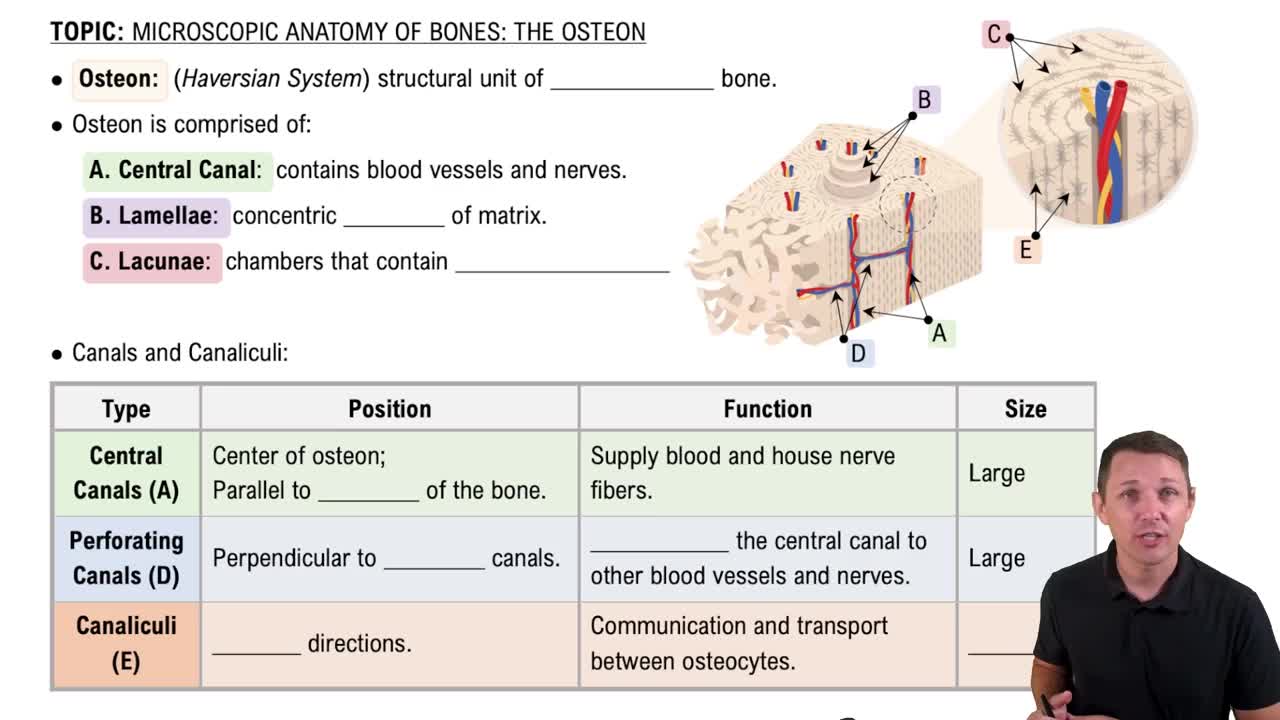
An osteon is the fundamental functional unit of compact bone, consisting of concentric layers of calcified matrix surrounding a central Haversian canal.
The Haversian canal is a central channel in an osteon that contains blood vessels and nerves supplying the bone.
Parathyroid hormone increases blood calcium levels by stimulating bone resorption and calcium absorption in the intestines and kidneys.
Calcitonin lowers blood calcium levels by inhibiting bone resorption and promoting calcium deposition in bones.
Paranasal sinuses are air-filled cavities in the skull bones that lighten the skull and enhance voice resonance.
Articular cartilage is smooth, hyaline cartilage covering the ends of bones in synovial joints to reduce friction and absorb shock.
Bursae are fluid-filled sacs that reduce friction between tendons, ligaments, and bones near joints.
Abduction is the movement of a limb away from the midline of the body.
Adduction is the movement of a limb toward the midline of the body.
Dorsiflexion is the movement that decreases the angle between the dorsum of the foot and the leg, lifting the foot upward.
Plantar flexion is the movement that increases the angle between the dorsum of the foot and the leg, pointing the foot downward.
Amphiarthroses are slightly movable joints connected by cartilage or ligaments.
Synarthroses are immovable joints where bones are tightly joined by fibrous tissue.
Diarthroses are freely movable synovial joints with a joint cavity filled with synovial fluid.
Synovial joints have a fluid-filled cavity, articular cartilage, and ligaments allowing wide range of motion.
Menisci are crescent-shaped fibrocartilage pads in some synovial joints that improve fit and absorb shock.
Tendon sheaths are tubular bursae that surround tendons to reduce friction during movement.
Knee ligaments stabilize the joint: ACL prevents anterior tibial movement, PCL prevents posterior tibial movement, and collateral ligaments prevent sideways motion.
Osteoarthritis is a degenerative joint disease caused by cartilage breakdown, leading to pain and stiffness.
Rheumatoid arthritis is an autoimmune disorder causing chronic inflammation and joint damage.
The vertebral column has five regions: cervical, thoracic, lumbar, sacral, and coccygeal.
Hair growth is influenced by genetics, hormones, nutrition, age, and health conditions.
The epidermis layers are: stratum corneum (dead cells), stratum lucidum (only in thick skin), stratum granulosum (keratinization), stratum spinosum (strength), and stratum basale (cell division).
There are eccrine glands (temperature regulation) and apocrine glands (active at puberty, found in armpits and groin).
Melanomas are aggressive skin cancers from melanocytes; basal cell and squamous cell carcinomas are less aggressive and arise from epidermal cells.