 뒤로
Anatomy & Physiology Key Concepts
 04:09

이 집합의 용어 (11)
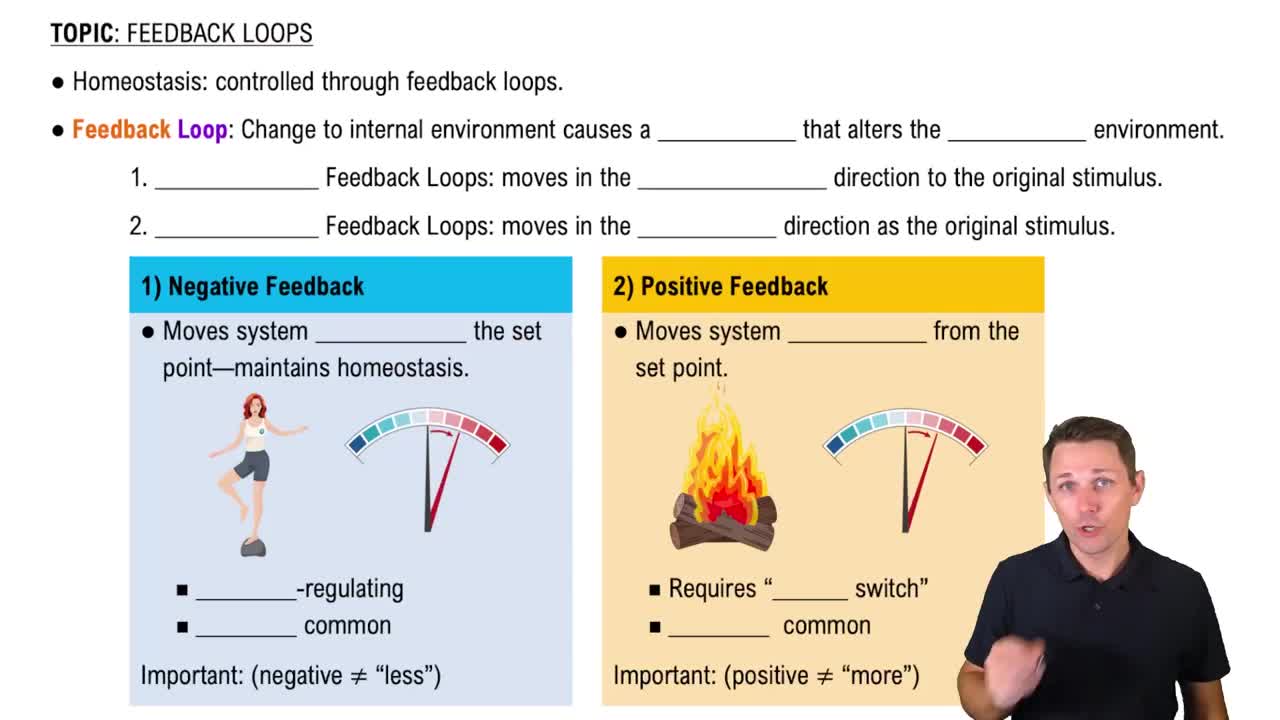
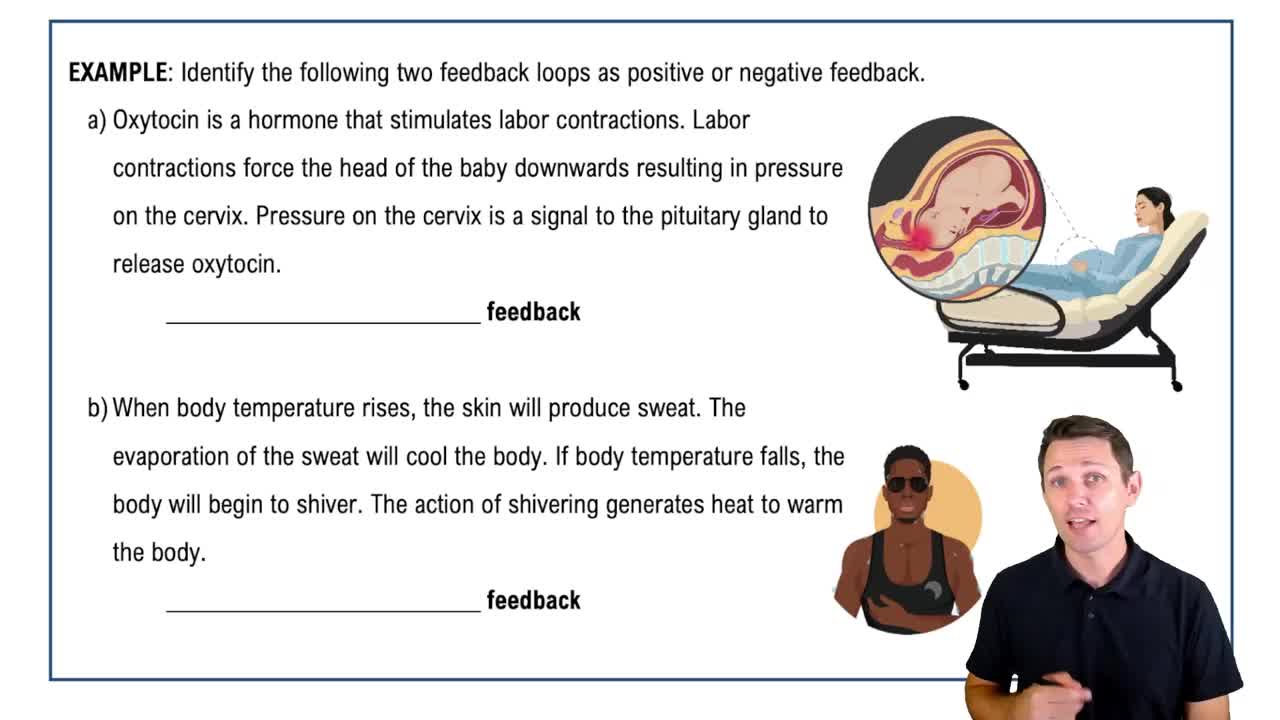
Receptor detects change, control center processes information, and effector produces response to maintain homeostasis.
A chemical bond where electrons are shared unequally, creating partial positive and negative charges on atoms.
Movement of molecules using energy from the electrochemical gradient created by primary active transport, not directly from ATP.
Process where RNA polymerase synthesizes messenger RNA (mRNA) from a DNA template strand.
Includes interphase (G1, S, G2) and mitosis (prophase, metaphase, anaphase, telophase) followed by cytokinesis.
Produced by melanocytes in the basal layer of the epidermis; protects skin from UV radiation.
UV light converts 7-dehydrocholesterol in skin to previtamin D3, which is then converted to active vitamin D in liver and kidneys.
Involves epidermal regeneration without scarring, primarily through migration and proliferation of basal cells.
Includes inflammatory, migratory, proliferative, and maturation phases with scar tissue formation.
Small antimicrobial peptides produced by skin cells that disrupt microbial membranes to protect against infection.
An antimicrobial peptide secreted by sweat glands that provides broad-spectrum defense on the skin surface.