Skip to main content
Anatomy & Physiology
나의 코스
배우기
시험 준비
AI 튜터
학습 가이드
교과서적 해결책
플래시카드
탐험해 보세요
앱을 사용해 보세요
나의 코스
배우기
시험 준비
AI 튜터
학습 가이드
교과서적 해결책
플래시카드
탐험해 보세요
앱을 사용해 보세요
뒤로
Anatomy & Physiology Key Concepts from Course Syllabus
카드를 뒤집기 위해 탭할 수 있습니다.
Blood Composition
카드를 뒤집기 위해 탭할 수 있습니다.
👆
Blood Composition
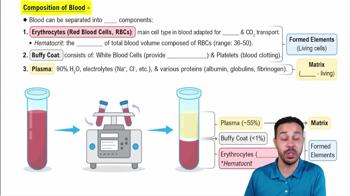
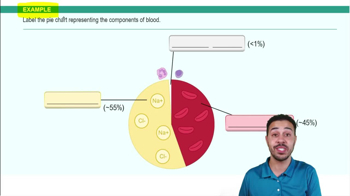
Blood consists of plasma, red blood cells, white blood cells, and platelets, each with specific functions in transport, immunity, and clotting.
진행 상황 추적
컨트롤 버튼이 '내비게이션' 모드로 변경되었습니다.
1/21
추천 영상
VideoThumbView.guidedCourse
2:36
Introduction to Blood Example 1
11374
views
334
rank
VideoThumbView.guidedCourse
7:49
Composition of Blood
11919
views
337
rank
VideoThumbView.guidedCourse
1:55
Introduction to Blood Example 2
9390
views
225
rank
이 집합의 용어 (21)
하이드의 정의
Blood Composition
Blood consists of plasma, red blood cells, white blood cells, and platelets, each with specific functions in transport, immunity, and clotting.
Hemostasis
Hemostasis is the process that stops bleeding through vascular spasm, platelet plug formation, and coagulation.
Heart Anatomy
The heart has four chambers: two atria and two ventricles, with valves ensuring one-way blood flow.
Electrocardiogram (EKG)
An EKG records the electrical activity of the heart to assess heart rhythm and function.
Cardiac Cycle
The cardiac cycle includes systole (contraction) and diastole (relaxation) phases that pump blood through the heart.
Blood Vessels Types
Blood vessels include arteries (carry blood away from the heart), veins (carry blood to the heart), and capillaries (site of exchange).
Blood Pressure and Capillary Exchange
Blood pressure drives fluid exchange in capillaries, allowing nutrients and wastes to move between blood and tissues.
Lymphatic System
The lymphatic system returns interstitial fluid to blood and plays a role in immune defense.
Non-Specific Immune System
Non-specific immunity includes barriers, phagocytes, and inflammation that protect against a broad range of pathogens.
Specific Immune System
Specific immunity involves lymphocytes that target specific antigens for a tailored immune response.
Respiration Ventilation
Ventilation is the process of moving air into and out of the lungs to facilitate gas exchange.
Gas Exchange in Respiration
Gas exchange occurs in alveoli where oxygen enters blood and carbon dioxide is removed.
Respiration Regulation
Respiration is regulated by the brainstem to maintain proper blood gas levels and pH.
Upper Digestion
Upper digestion includes the mouth, esophagus, and stomach where food is ingested and mechanically and chemically broken down.
Lower Digestion
Lower digestion involves the small and large intestines where nutrient absorption and waste formation occur.
Metabolism
Metabolism encompasses all chemical reactions in the body that produce energy and build molecules.
Excretory System
The excretory system removes metabolic wastes and maintains fluid and electrolyte balance.
Fluid and Electrolyte Balance
This balance regulates the volume and composition of body fluids essential for cellular function.
Acid-Base Balance
Acid-base balance maintains blood pH within a narrow range to support enzymatic and cellular activities.
Male and Female Reproductive Systems
These systems produce gametes and hormones necessary for reproduction and support embryonic development.
Fertilization and Embryology
Fertilization is the union of sperm and egg, initiating embryonic development.
 뒤로뒤로
 2:36