 뒤로
Bone Structure and Function - Anatomy & Physiology
 01:27

이 집합의 용어 (30)
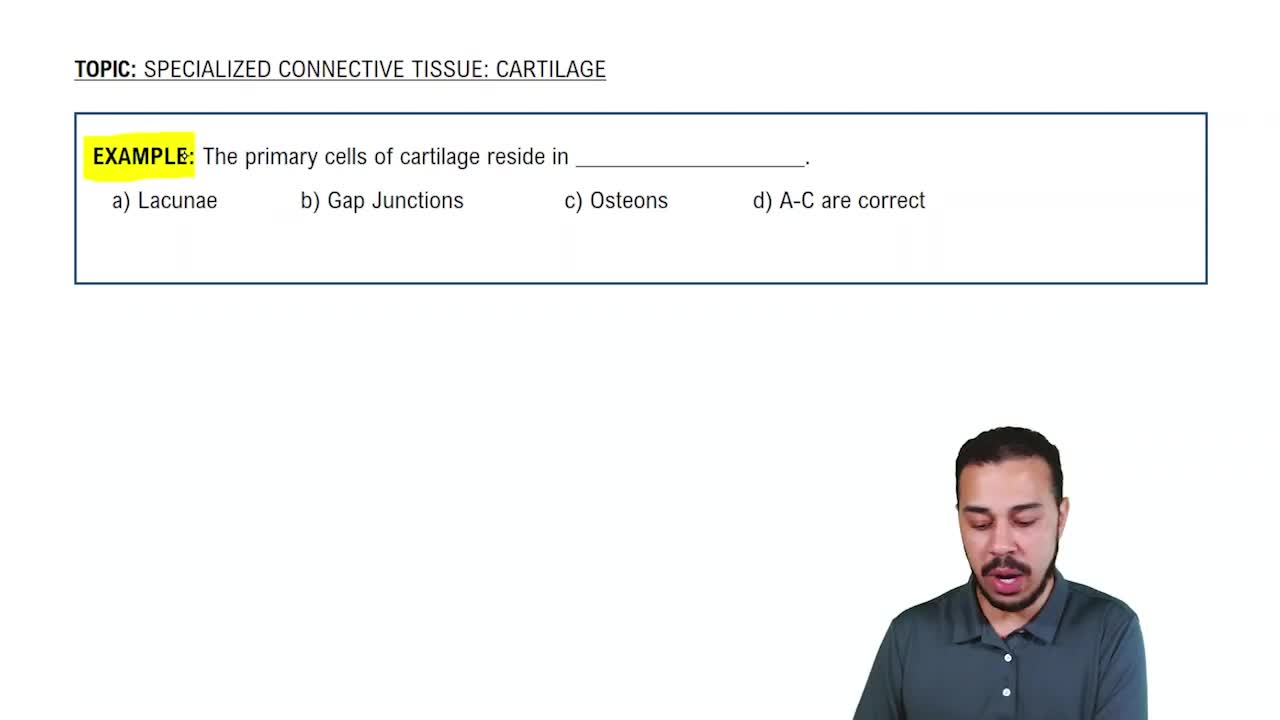
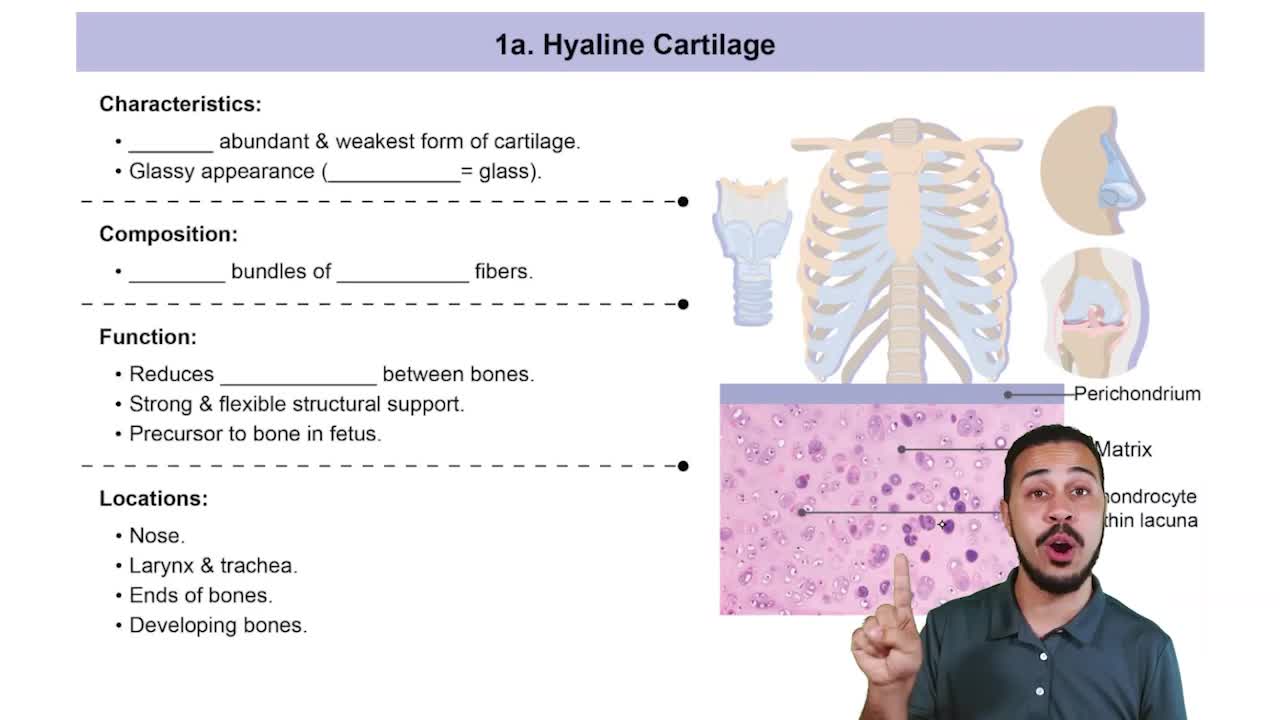
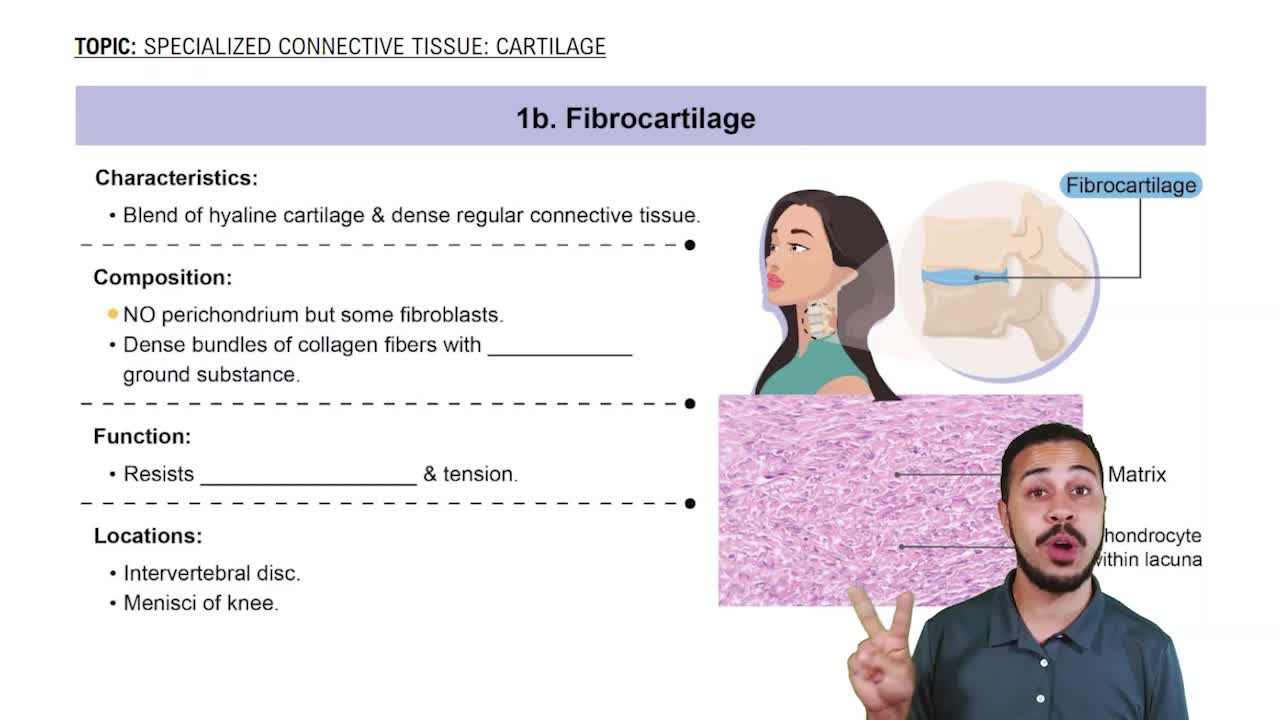
Hyaline cartilage, Elastic cartilage, and Fibrocartilage.
Most abundant skeletal cartilage; provides support, flexibility, and resilience with fine collagen fibers.
Found in the external ear and epiglottis; contains stretchy elastic fibers for bending.
Contains thick collagen fibers, great tensile strength, compressible; found in meniscus and intervertebral discs.
206 bones total; divided into axial skeleton (80 bones) and appendicular skeleton (126 bones).
Long, short, sesamoid, flat, and irregular bones.
Support, protection, movement/leverage, mineral storage, and blood cell formation (hematopoiesis).
Bulges, depressions, and holes on bones that serve as muscle/ligament attachment sites, joint surfaces, or conduits for vessels and nerves.
Compact bone is dense and smooth outer layer; spongy bone is porous with trabeculae inside, containing marrow.
Diaphysis (shaft), medullary cavity, epiphyses (ends), metaphysis (growth plate), periosteum, and endosteum.
Double-layered membrane covering bone; outer fibrous layer and inner osteogenic layer with osteoblasts, osteoclasts, and stem cells.
Covered by periosteum and endosteum; spongy bone called diploë in flat bones; marrow between trabeculae.
In trabecular cavities of spongy bone in flat and irregular bones; produces red and white blood cells and platelets.
Structural unit of compact bone; concentric lamellae of bone matrix surrounding a central canal with vessels and nerves.
Small channels connecting osteocytes in lacunae to central canal for nutrient and oxygen exchange.
Organic components: cells and collagen fibers; Inorganic: 65% mineral salts (mainly calcium phosphate) for hardness.
Bone develops directly from fibrous membrane; forms flat bones like clavicles and cranial bones.
Bone forms by replacing hyaline cartilage; forms most of the skeleton; requires cartilage breakdown first.
Interstitial growth (lengthening of long bones) and appositional growth (thickening and remodeling).
Growth hormone stimulates activity; thyroid hormone controls metabolism; sex hormones promote growth spurts and plate closure.
Continuous process of bone deposit and resorption controlled by hormones and mechanical stress.
Released when blood Ca2+ is low; stimulates osteoclasts to break down bone and release calcium.
Released when blood Ca2+ is high; stimulates osteoblasts to deposit calcium into bone, lowering blood calcium.
Bones adapt to mechanical stress by becoming thicker and stronger where stressed; trabeculae align along stress lines.
Nondisplaced (ends aligned) and displaced (ends out of alignment).
Complete (broken through) and incomplete (partial break).
Linear (parallel), transverse (perpendicular), and oblique (angled).
Compound (open, bone penetrates skin) and simple (closed, no skin penetration).
Hematoma formation, fibrocartilaginous callus formation, bony callus formation, and bone remodeling.
Loss of bone mass where resorption outpaces deposit; risk factors include low estrogen, calcium/vitamin D deficiency, immobility, and aging.