 뒤로
Cytoplasm vs Cytosol in Anatomy & Physiology
 03:45

이 집합의 용어 (10)
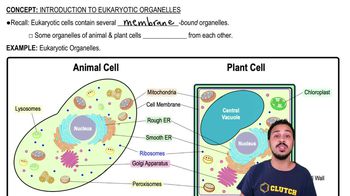
Cytoplasm is the entire contents within the cell membrane excluding the nucleus, including the cytosol and organelles.
Cytosol is the fluid portion of the cytoplasm in which organelles are suspended.
Cytoplasm includes cytosol plus all organelles, while cytosol is only the fluid part without organelles.
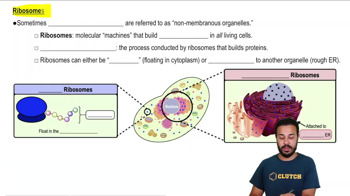
Organelles such as mitochondria, endoplasmic reticulum, and ribosomes are in the cytoplasm but not in the cytosol.
Cytosol provides a medium for chemical reactions and supports organelles within the cell.
Cytosol is a gel-like liquid that fills the cell and suspends organelles.
No, cytoplasm excludes the nucleus; it is everything between the nucleus and the cell membrane.
Cytoplasm houses organelles and facilitates intracellular processes essential for cell survival.
Yes, cytosol contains dissolved ions, nutrients, enzymes, and waste products.
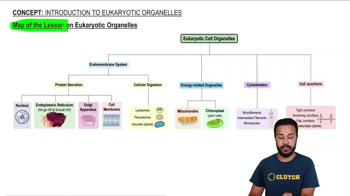
Cytoplasm is more complex because it includes cytosol plus organelles and cytoskeletal elements.