뒤로

Efferent Division: Autonomic and Somatic Motor Control

컨트롤 버튼이 '내비게이션' 모드로 변경되었습니다.
1/20
  • What are the two subdivisions of the efferent division of the peripheral nervous system?

    Somatic motor neurons control skeletal muscle (mostly voluntary), and autonomic neurons control smooth muscle, cardiac muscle, glands, and adipose tissue (mostly involuntary).
  • What are the two branches of the autonomic division and their primary functions?

    Sympathetic branch is the fight-or-flight response; parasympathetic branch is rest-and-digest.
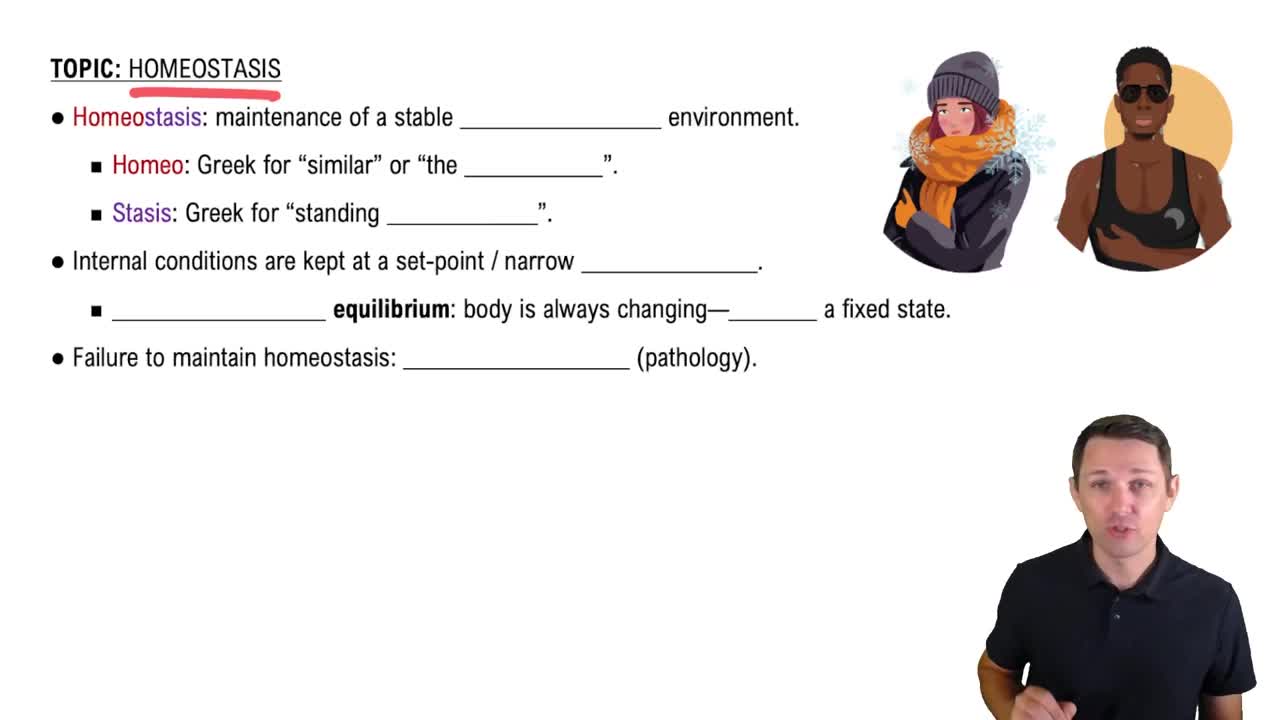
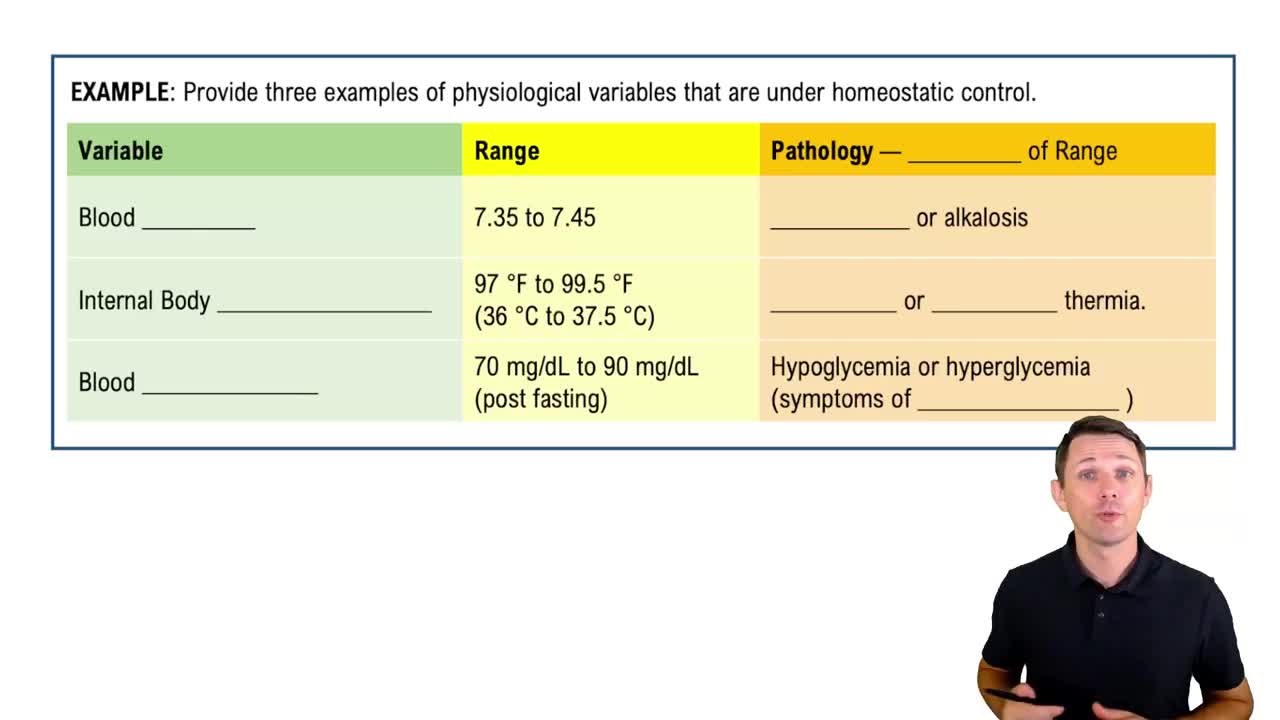
  • How is homeostasis maintained by the autonomic nervous system?

    Homeostasis is a dynamic balance between sympathetic and parasympathetic activity, with neither branch fully dominating under normal conditions.
  • What brain regions integrate autonomic functions?

    The hypothalamus, pons, and medulla act as homeostatic control centers integrating sensory input and coordinating autonomic, endocrine, and behavioral responses.
  • What is antagonistic control in the autonomic nervous system?

    Most internal organs receive opposing input from sympathetic and parasympathetic branches, where one is excitatory and the other inhibitory.
  • Which organs have exceptions to dual autonomic innervation?

    Sweat glands and smooth muscles in most blood vessels have only sympathetic innervation and are under tonic control.
  • Describe the general layout of autonomic pathways.

    Autonomic pathways have two neurons in series: a preganglionic neuron from the CNS to an autonomic ganglion, and a postganglionic neuron from the ganglion to the target tissue.
  • Where do sympathetic and parasympathetic branches originate?

    Sympathetic neurons originate in thoracic and lumbar spinal cord; parasympathetic neurons originate in brain stem and sacral spinal cord.
  • How do the locations of sympathetic and parasympathetic ganglia differ?

    Sympathetic ganglia are close to the spinal cord; parasympathetic ganglia are on or near target organs.
  • What neurotransmitters do preganglionic neurons release in both autonomic divisions?

    Both sympathetic and parasympathetic preganglionic neurons release acetylcholine (ACh) onto nicotinic cholinergic receptors on postganglionic neurons.
  • What neurotransmitters do postganglionic neurons release in sympathetic and parasympathetic divisions?

    Sympathetic postganglionic neurons mostly release norepinephrine onto adrenergic receptors; parasympathetic postganglionic neurons release acetylcholine onto muscarinic receptors.
  • What is unique about sympathetic cholinergic neurons?

    Sympathetic cholinergic neurons innervating sweat glands release acetylcholine instead of norepinephrine.
  • What is a neuroeffector junction in the autonomic nervous system?

    It is the synapse between a postganglionic autonomic neuron and its target cell, often involving varicosities that release neurotransmitters over a wide area.
  • How is norepinephrine signal terminated at sympathetic neuroeffector junctions?

    Norepinephrine can bind receptors, diffuse away, be recycled into the neuron, or be broken down by monoamine oxidase (MAO).
  • Describe the adrenal medulla's role in the sympathetic nervous system.

    The adrenal medulla is a modified sympathetic ganglion that secretes epinephrine into the blood as a neurohormone, lacking postganglionic neurons.
  • What are chromaffin cells?

    Chromaffin cells are modified postganglionic sympathetic neurons in the adrenal medulla that secrete epinephrine directly into the bloodstream.
  • How does the somatic motor pathway differ from autonomic pathways?

    Somatic motor pathways consist of a single, myelinated neuron from CNS to skeletal muscle, always excitatory, unlike the two-neuron autonomic pathways.
  • What neurotransmitter and receptor are involved at the neuromuscular junction?

    Acetylcholine acts on nicotinic receptors on skeletal muscle fibers to cause contraction.
  • How do somatic motor neurons innervate skeletal muscle fibers?

    One somatic motor neuron branches at its terminal to innervate multiple individual muscle fibers, each via a neuromuscular junction.
  • What is the effect of somatic motor neuron activation on muscle?

    Activation always causes muscle contraction; there is no inhibitory somatic motor neuron.