 뒤로
Hormone Mechanisms and Effects in Anatomy & Physiology
카드를 뒤집기 위해 탭할 수 있습니다.
컨트롤 버튼이 '내비게이션' 모드로 변경되었습니다.
1/10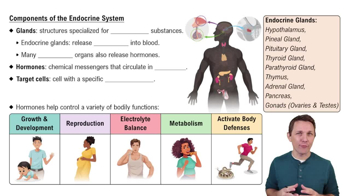
 7:06

이 집합의 용어 (10)
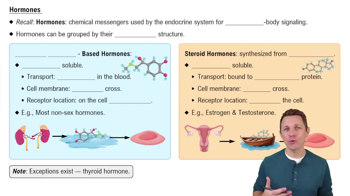
- Hormone binds receptor.
- Receptor activates G-protein.
- G-protein activates adenylate cyclase.
- Adenylate cyclase converts ATP to cAMP.
- cAMP activates protein kinases to alter cell activity.
- Diffuse through plasma membrane.
- Bind to intracellular receptors.
- Activate gene transcription to alter protein synthesis.
- Alter plasma membrane permeability or electrical state.
- Stimulate synthesis of proteins or enzymes.
- Activate or deactivate enzymes.
- Induce secretory activity.
- Stimulate mitosis.
- Permissive effect: one hormone enhances another's effect.
- Synergistic effect: hormones work together for greater effect.
- Antagonistic effect: one hormone opposes another.
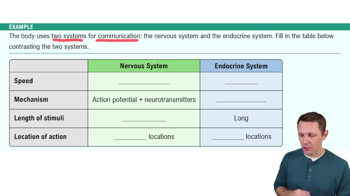
- Humoral stimuli: changes in blood levels of ions or nutrients.
- Neural stimuli: nerve fibers stimulate hormone release.
- Hormonal stimuli: hormones stimulate other endocrine glands.
- Stimulus triggers hormone release.
- Hormone acts on target cells.
- Effect changes internal condition.
- Change detected by sensors.
- Hormone secretion decreases to restore balance.