 뒤로
Reproductive System and Development - Anatomy & Physiology
 2:08

이 집합의 용어 (20)
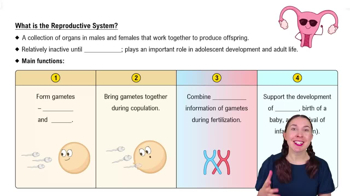
The primary function is to produce offspring by generating gametes and supporting fertilization and development.
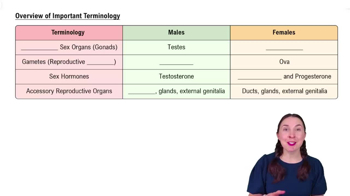
Sperm cells are the male gametes produced in the testes.
Ova (eggs) are the female gametes produced in the ovaries.
Fertilization is the fusion of a sperm and an ovum to form a zygote.
A zygote is the single cell formed after fertilization, which will develop into an embryo.
Embryonic development is the process by which the zygote divides and differentiates into tissues and organs.
The uterus provides a protective environment and nutrients for the developing embryo and fetus.
Estrogen, progesterone, FSH, and LH regulate gamete production and reproductive cycles.
The menstrual cycle includes the follicular, ovulation, luteal, and menstruation phases.
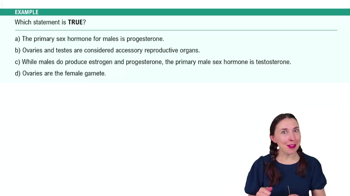
Testes produce sperm and secrete testosterone.
Ovaries produce ova and secrete estrogen and progesterone.
Spermatogenesis is the process of sperm cell formation in the testes.
Oogenesis is the process of ovum formation in the ovaries.
The placenta facilitates nutrient and gas exchange between mother and fetus.
Progesterone maintains the uterine lining and prevents contractions during pregnancy.
Labor includes dilation, expulsion, and placental stages.
The scrotum regulates testicular temperature for optimal sperm production.
Fallopian tubes transport ova from ovaries to uterus and are the site of fertilization.
Luteinizing hormone (LH) surge triggers ovulation.
Puberty is the period when reproductive organs mature and secondary sexual characteristics develop.