The spiral organ sits on the ________ membrane, and the stereocilia of the outer hair cells contact the _____ membrane.
Ch. 15 The Special Senses
Amerman3rd EditionHuman Anatomy & PhysiologyISBN: 9780138247201, 9780138247928, 9780138201814당신이 사용하는 게 아니라요?교과서 변경
15장, 문제 19
Which of the following is not part of the auditory pathway in the CNS?
a. Superior temporal lobe
b. Superior colliculus
c. Medial geniculate nucleus
d. Nuclei in the pons
e. Cochlear nuclei
검증된 단계별 안내1
Step 1: Understand the auditory pathway in the central nervous system (CNS). The auditory pathway involves structures that process sound signals from the cochlea to the auditory cortex in the brain. Key components include the cochlear nuclei, superior olivary complex, inferior colliculus, medial geniculate nucleus, and the auditory cortex in the superior temporal lobe.
Step 2: Review the role of each structure listed in the options. For example, the cochlear nuclei are the first relay station for auditory signals in the brainstem, and the medial geniculate nucleus is part of the thalamus that relays auditory information to the auditory cortex.
Step 3: Identify the superior colliculus in the list. The superior colliculus is primarily involved in visual processing and reflexive eye movements, not auditory processing. This makes it distinct from the other structures listed.
Step 4: Compare the superior colliculus to the other options. The superior temporal lobe, cochlear nuclei, nuclei in the pons, and medial geniculate nucleus are all directly involved in the auditory pathway, whereas the superior colliculus is not.
Step 5: Conclude that the superior colliculus is the correct answer because it is not part of the auditory pathway in the CNS, unlike the other options provided.

비슷한 문제에 대한 검증된 영상 답변:
이 영상 해법은 위 문제에 도움이 된다고 튜터들이 추천한 것입니다.
주요 개념
질문에 올바르게 답하기 위해 반드시 이해해야 하는 핵심 개념들은 다음과 같습니다.
Auditory Pathway
The auditory pathway refers to the neural pathways that transmit sound information from the ear to the brain. This pathway includes structures such as the cochlear nuclei, superior olivary complex, inferior colliculus, and medial geniculate nucleus, which process and relay auditory signals to the auditory cortex in the temporal lobe.
추천 영상:
가이드 코스
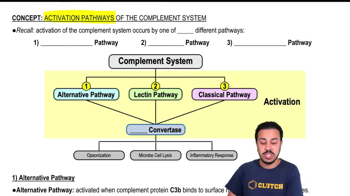
Alternative Pathway
CNS Structures
The central nervous system (CNS) consists of the brain and spinal cord, which coordinate sensory information and motor responses. Key structures involved in auditory processing include the superior temporal lobe, which houses the primary auditory cortex, and various nuclei in the brainstem that facilitate sound localization and processing.
추천 영상:
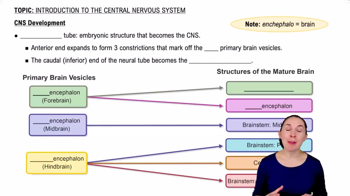
CNS Development
Superior Colliculus
The superior colliculus is a structure located in the midbrain that is primarily involved in visual processing and reflexive eye movements. While it plays a role in integrating sensory information, it is not directly part of the auditory pathway, distinguishing it from other auditory-related structures listed in the question.
추천 영상:
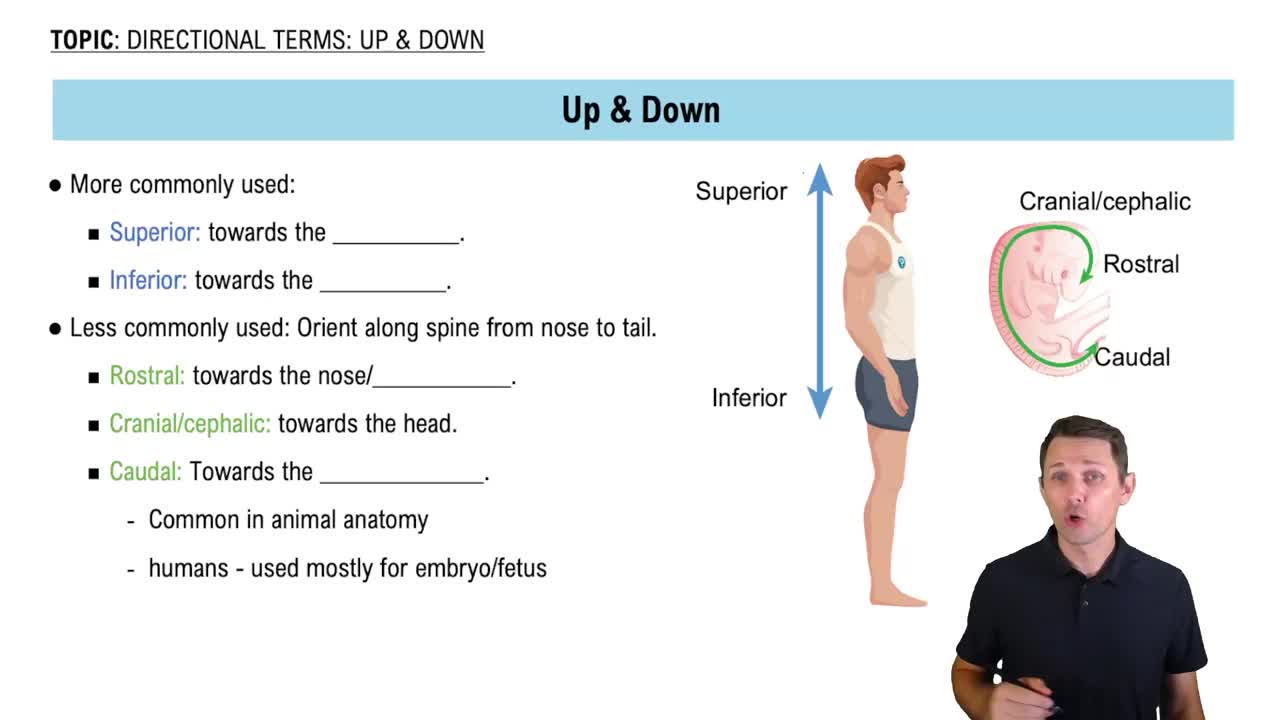
Superior and Inferior
관련 실천
교과서 질문
1085
views
교과서 질문
Stimuli from the inner ear regarding head movement and position are sent to all of the following except the:
a. Vestibular nuclei
b. Oculomotor nucleus
c. Parietal lobe
d. Cerebellum.
e. Trigeminal nucleus
706
views
교과서 질문
The macula in the utricle detects:
a. Rotation of the head to the right
b. Very low-frequency sound waves that we can feel but not hear
c. Tilting of the head to one side
d. Linear acceleration of the head in a vertical plane
850
views
교과서 질문
Mark True or false
Hair cells in the spiral organ will depolarize or hyperpolarize, depending on the direction in which the stereocilia are bent.
804
views
교과서 질문
In the ampulla of a semicircular duct, the hair cells are located in the_____and their stereocilia and kinocilium are embedded in the______.
789
views