Ch. 19 The Cardiovascular System: Blood Vessels
Marieb - Human Anatomy & Physiology 11th Edition
Marieb, Hoehn11th EditionHuman Anatomy & PhysiologyISBN: 9780136874034당신이 사용하는 게 아니라요?교과서 변경
19장, 문제 17

a. What blood vessels contribute to the formation of the hepatic portal circulation?
b. Why is a portal circulation a 'strange' circulation

검증된 단계별 안내
1
Step 1: Identify the blood vessels involved in the hepatic portal circulation. These primarily include the superior mesenteric vein, the splenic vein, and the inferior mesenteric vein, which all converge to form the hepatic portal vein. The hepatic portal vein then carries blood to the liver.
Step 2: Understand the anatomical pathway: blood from the gastrointestinal tract (including the stomach, intestines, pancreas, and spleen) drains into these veins, which then merge to form the hepatic portal vein, directing nutrient-rich blood to the liver for processing before it enters the systemic circulation.
Step 3: Define what a portal circulation is: it is a system where blood flows through two consecutive capillary beds before returning to the heart, unlike the typical circulation where blood passes through only one capillary bed between arteries and veins.
Step 4: Explain why the hepatic portal circulation is considered 'strange' or unique: because it carries blood from one capillary bed (in the digestive organs) through veins to a second capillary bed (in the liver) without first returning to the heart, allowing the liver to metabolize nutrients and detoxify substances directly.
Step 5: Summarize the functional significance: this arrangement ensures that substances absorbed in the intestines are first processed by the liver, which is crucial for maintaining metabolic homeostasis and protecting the body from toxins.

비슷한 문제에 대한 검증된 영상 답변:

이 영상 해법은 위 문제에 도움이 된다고 튜터들이 추천한 것입니다.
영상 길이:
2m

주요 개념

질문에 올바르게 답하기 위해 반드시 이해해야 하는 핵심 개념들은 다음과 같습니다.

Hepatic Portal Circulation

The hepatic portal circulation is a system of blood vessels that carries nutrient-rich blood from the gastrointestinal tract and spleen to the liver. It primarily involves veins such as the superior mesenteric vein, inferior mesenteric vein, splenic vein, and the gastric veins, which converge to form the hepatic portal vein. This circulation allows the liver to process and detoxify substances absorbed from the intestines before blood enters the systemic circulation.
추천 영상:
02:52
What is Anatomy & Physiology? Example 1

Portal Vein Formation

The portal vein is formed by the convergence of several veins, mainly the superior mesenteric vein and the splenic vein. The inferior mesenteric vein usually drains into the splenic vein before this junction. These vessels collect blood from the stomach, intestines, pancreas, and spleen, directing it to the liver for metabolic processing.
추천 영상:
가이드 코스
6:24
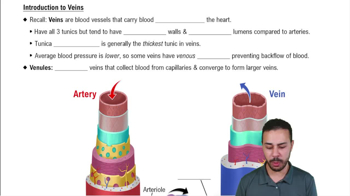
Introduction to Veins

Strange or Portal Circulation

A portal circulation is termed 'strange' because it involves blood passing through two capillary beds in series before returning to the heart. In the hepatic portal system, blood flows from the capillaries of the digestive organs to the liver sinusoids via the portal vein, unlike typical circulation where blood passes through only one capillary bed. This unique arrangement allows the liver to regulate nutrient and toxin levels effectively.
추천 영상:
10:02
Anterior Pituitary