 뒤로
Meiosis and Mitosis in General Biology
 04:45

이 집합의 용어 (20)
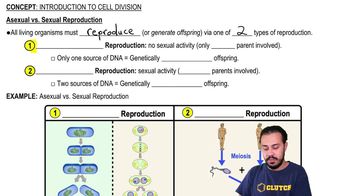
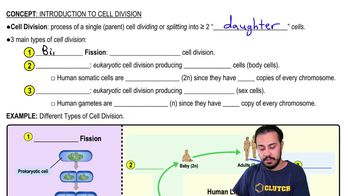
Mitosis is a type of cell division that results in two genetically identical daughter cells, maintaining the same chromosome number as the parent cell.
Meiosis is a type of cell division that reduces the chromosome number by half, producing four genetically diverse haploid cells.
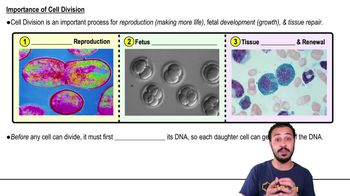
Mitosis is used for growth, tissue repair, and asexual reproduction in organisms.
Meiosis produces gametes (sperm and egg cells) for sexual reproduction, ensuring genetic diversity.
Mitosis produces two daughter cells.
Meiosis produces four daughter cells.
Daughter cells have the same diploid chromosome number as the parent cell.
Daughter cells have a haploid chromosome number, half that of the parent cell.
Mitosis includes prophase, metaphase, anaphase, and telophase.
Meiosis consists of two divisions: Meiosis I and Meiosis II, each with prophase, metaphase, anaphase, and telophase.
Chromosomes condense, the nuclear envelope breaks down, and spindle fibers form.
Crossing over is the exchange of genetic material between homologous chromosomes during prophase I of meiosis, increasing genetic variation.
In mitosis, chromosomes line up individually; in meiosis I, homologous chromosome pairs line up together.
Sister chromatids separate and move to opposite poles.
Homologous chromosomes separate, but sister chromatids remain together.
Mitosis produces genetically identical cells; meiosis produces genetically diverse cells due to crossing over and independent assortment.
Spindle fibers attach to chromosomes and help separate them during cell division.
Random orientation of homologous chromosome pairs during metaphase I of meiosis, leading to genetic variation.
DNA replication occurs once before meiosis begins, during the S phase of interphase.
Mitosis has one cytokinesis producing two cells; meiosis has two cytokineses producing four cells.