
Ch. 12 - The Cell Cycle
Campbell - Campbell Biology 12th Edition
Urry12th EditionCampbell BiologyISBN: 9785794169850당신이 사용하는 게 아니라요?교과서 변경
12장, 문제 5

Which of the following occurs during apoptosis?
a. Lysis of the cell
b. Direct contact between signaling cells
c. Fragmentation of the DNA
d. Release of proteases outside the cell

검증된 단계별 안내
1
Understand the concept of apoptosis: Apoptosis is a form of programmed cell death that occurs in multicellular organisms. It is a controlled process that leads to the elimination of cells without releasing harmful substances into the surrounding area.
Identify the key features of apoptosis: During apoptosis, several characteristic events occur, including cell shrinkage, chromatin condensation, DNA fragmentation, and the formation of apoptotic bodies.
Analyze each option: (A) Lysis of the cell is not a feature of apoptosis; it is more characteristic of necrosis, where the cell bursts and releases its contents. (B) Direct contact between signaling cells is related to cell communication, not specifically apoptosis. (C) Fragmentation of the DNA is a hallmark of apoptosis, where the DNA is cleaved into small fragments. (D) Release of proteases outside the cell is not typical of apoptosis; instead, proteases like caspases are activated within the cell to execute the apoptotic process.
Focus on the correct feature: Based on the analysis, fragmentation of the DNA is a key event that occurs during apoptosis.
Conclude with the correct choice: The correct answer is (C) fragmentation of the DNA, as it is a defining characteristic of the apoptotic process.

비슷한 문제에 대한 검증된 영상 답변:

이 영상 해법은 위 문제에 도움이 된다고 튜터들이 추천한 것입니다.
영상 길이:
4m

주요 개념

질문에 올바르게 답하기 위해 반드시 이해해야 하는 핵심 개념들은 다음과 같습니다.

Apoptosis

Apoptosis is a programmed cell death process that is crucial for maintaining healthy tissue homeostasis. Unlike necrosis, apoptosis is a controlled and energy-dependent process that involves specific cellular changes, such as cell shrinkage, chromatin condensation, and DNA fragmentation, ultimately leading to the formation of apoptotic bodies that are phagocytosed by neighboring cells.
추천 영상:
04:05
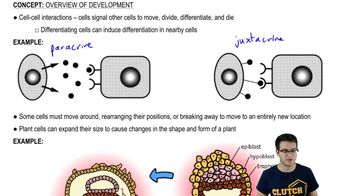
Cellular Interactions and Apoptosis

DNA Fragmentation

DNA fragmentation is a hallmark of apoptosis, where the DNA within the cell is cleaved into smaller fragments. This process is facilitated by specific enzymes called caspases, which activate endonucleases that cut the DNA at internucleosomal regions. DNA fragmentation is a key step in ensuring that the cell's genetic material is irreversibly damaged, preventing any potential for recovery or replication.
추천 영상:
09:29
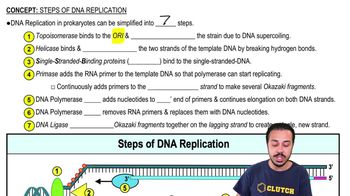
Steps of DNA Replication

Proteases in Apoptosis

Proteases, particularly caspases, play a central role in apoptosis by cleaving various cellular substrates, leading to the dismantling of the cell. These enzymes are activated in a cascade manner and are responsible for executing the apoptotic program. While proteases are active within the cell during apoptosis, their release outside the cell is not typical of apoptosis but rather of necrosis, where uncontrolled cell lysis occurs.
추천 영상:
04:05
Cellular Interactions and Apoptosis
관련 실천