Ch. 31 - Fungi
Campbell - Campbell Biology 12th Edition
Urry12th EditionCampbell BiologyISBN: 9785794169850당신이 사용하는 게 아니라요?교과서 변경
31장, 문제 4

The most important adaptive advantage associated with the filamentous nature of fungal mycelia is
a. The ability to form haustoria and parasitize other organisms.
b. The potential to inhabit almost all terrestrial habitats.
c. The increased chance of contact between mating types.
d. An extensive surface area well suited for invasive growth and absorptive nutrition.

검증된 단계별 안내
1
Understand the structure of fungal mycelia: Fungal mycelia are composed of hyphae, which are thread-like structures that form a network. This filamentous nature is crucial for the fungus's survival and function.
Consider the role of surface area in fungal nutrition: The extensive network of hyphae increases the surface area available for absorption. This is important because fungi absorb nutrients from their environment, and a larger surface area allows for more efficient nutrient uptake.
Evaluate the options given in the problem: Each option presents a different adaptive advantage. Consider how the filamentous structure of mycelia might contribute to each advantage.
Focus on the option related to absorptive nutrition: Fungi are known for their absorptive mode of nutrition, where they secrete enzymes to break down organic matter and absorb the nutrients. The filamentous structure enhances this process by providing a large surface area.
Conclude which option best describes the adaptive advantage: Based on the understanding of fungal biology, determine which option aligns most closely with the benefits provided by the filamentous nature of mycelia, particularly in terms of growth and nutrient absorption.

비슷한 문제에 대한 검증된 영상 답변:

이 영상 해법은 위 문제에 도움이 된다고 튜터들이 추천한 것입니다.
영상 길이:
36s

주요 개념

질문에 올바르게 답하기 위해 반드시 이해해야 하는 핵심 개념들은 다음과 같습니다.

Fungal Mycelia

Fungal mycelia are networks of thread-like structures called hyphae that form the vegetative part of a fungus. This filamentous nature allows fungi to efficiently explore and colonize substrates, providing a large surface area for nutrient absorption and interaction with the environment, which is crucial for their survival and growth.
추천 영상:
08:59
Fungi - 1

Adaptive Advantage

Adaptive advantage refers to a trait or characteristic that enhances an organism's ability to survive and reproduce in its environment. In fungi, the filamentous structure of mycelia offers advantages such as increased nutrient absorption, efficient colonization of habitats, and enhanced interaction with other organisms, which can be vital for their ecological success.
추천 영상:
가이드 코스
05:24
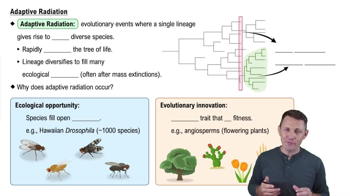
Adaptive Radiation

Absorptive Nutrition

Absorptive nutrition is a mode of feeding where organisms absorb nutrients directly from their environment. Fungi utilize this method by secreting enzymes to break down complex organic materials into simpler compounds, which are then absorbed through their extensive mycelial networks, allowing them to thrive in diverse environments.
추천 영상:
19:59
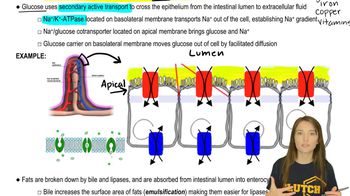
Nutrient Absorption