Ch. 42 - Circulation and Gas Exchange
Campbell - Campbell Biology 12th Edition
Urry12th EditionCampbell BiologyISBN: 9785794169850당신이 사용하는 게 아니라요?교과서 변경
42장, 문제 5

One feature that amphibians and humans have in common is
a. The number of heart chambers.
b. A complete separation of circuits for circulation.
c. The number of circuits for circulation.
d. A low blood pressure in the systemic circuit.

검증된 단계별 안내
1
Understand the circulatory system of amphibians: Amphibians typically have a three-chambered heart, consisting of two atria and one ventricle. This allows for some mixing of oxygenated and deoxygenated blood.
Understand the circulatory system of humans: Humans have a four-chambered heart, consisting of two atria and two ventricles, which allows for complete separation of oxygenated and deoxygenated blood.
Identify the number of circuits for circulation: Both amphibians and humans have two circuits for circulation, known as the pulmonary circuit and the systemic circuit.
Consider the separation of circuits: In humans, the separation is complete due to the four-chambered heart, whereas in amphibians, the separation is not complete due to the three-chambered heart.
Evaluate blood pressure in the systemic circuit: Humans typically have higher blood pressure in the systemic circuit compared to amphibians, due to the complete separation and efficient pumping of the heart.

비슷한 문제에 대한 검증된 영상 답변:

이 영상 해법은 위 문제에 도움이 된다고 튜터들이 추천한 것입니다.
영상 길이:
1m

주요 개념

질문에 올바르게 답하기 위해 반드시 이해해야 하는 핵심 개념들은 다음과 같습니다.

Circulatory System

The circulatory system is responsible for the transport of blood, nutrients, oxygen, carbon dioxide, and hormones throughout the body. In vertebrates, it consists of the heart, blood vessels, and blood. Understanding the structure and function of the circulatory system is crucial for comparing the similarities and differences between amphibians and humans.
추천 영상:
02:15
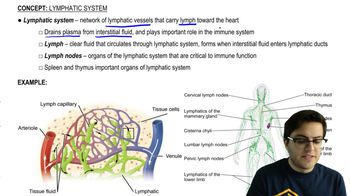
Lymphatic System

Heart Chambers

Heart chambers are compartments within the heart that play a role in pumping blood. Amphibians typically have a three-chambered heart, consisting of two atria and one ventricle, while humans have a four-chambered heart, with two atria and two ventricles. This difference affects how blood is circulated and oxygenated in these organisms.
추천 영상:
05:13
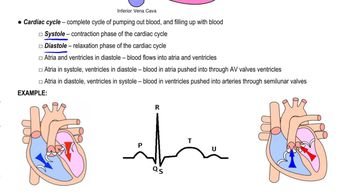
Heart Physiology

Circuits of Circulation

Circuits of circulation refer to the pathways through which blood travels in the body. Amphibians have a double circulatory system with pulmonary and systemic circuits, similar to humans. However, the separation of these circuits is incomplete in amphibians, leading to some mixing of oxygenated and deoxygenated blood, unlike the complete separation seen in humans.
추천 영상:
06:28
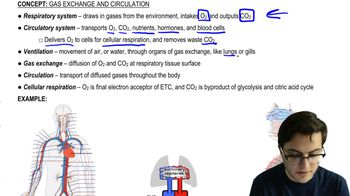
Gas Exchange and Circulation