
Ch. 37 - Soil and Plant Nutrition
Campbell - Campbell Biology 11th Edition
Urry11th EditionCampbell BiologyISBN: 9789357423311당신이 사용하는 게 아니라요?교과서 변경
37장, 문제 4

Epiphytes are:
a. Fungi that attack plants
b. Fungi that form mutualistic associations with roots
c. Nonphotosynthetic parasitic plants.
d. Plants that grow on other plants.

검증된 단계별 안내
1
Understand the term 'epiphytes': Epiphytes are a type of plant that grows on another plant for physical support. They are not parasitic and do not harm the host plant.
Eliminate option a: Fungi that attack plants are typically parasitic and do not fit the definition of epiphytes.
Eliminate option b: Fungi that form mutualistic associations with roots are known as mycorrhizae, not epiphytes.
Eliminate option c: Nonphotosynthetic parasitic plants are not epiphytes, as epiphytes are typically photosynthetic and not parasitic.
Identify the correct option: Plants that grow on other plants without harming them are epiphytes, which corresponds to option d.

비슷한 문제에 대한 검증된 영상 답변:

이 영상 해법은 위 문제에 도움이 된다고 튜터들이 추천한 것입니다.
영상 길이:
2m

주요 개념

질문에 올바르게 답하기 위해 반드시 이해해야 하는 핵심 개념들은 다음과 같습니다.

Epiphytes

Epiphytes are plants that grow on other plants for physical support. Unlike parasitic plants, they do not derive nutrients from their host but instead obtain moisture and nutrients from the air, rain, and debris accumulating around them. Common examples include orchids and ferns found in tropical rainforests.
추천 영상:
03:12
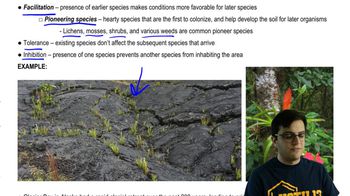
Glacier Bay Alaska

Parasitic Plants

Parasitic plants are those that derive some or all of their nutritional requirements from another living plant. They attach to the host plant through structures called haustoria, which penetrate the host's tissues to access water and nutrients. Examples include mistletoe and dodder.
추천 영상:
02:37
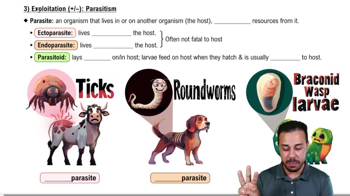
3) Exploitation (+/-): Parasitism

Mutualistic Associations

Mutualistic associations refer to interactions between two different species where both benefit. In the context of fungi and plant roots, mycorrhizal fungi form mutualistic relationships with plant roots, enhancing water and nutrient absorption for the plant while receiving carbohydrates and other organic compounds in return.
추천 영상:
04:07
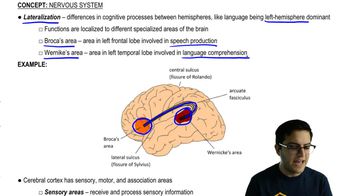
Motor, Sensory, and Association Areas
관련 실천
교과서 질문

Micronutrients are needed in very small amounts because

a. Most of them are mobile in the plant

b. Most serve mainly as cofactors of enzymes

c. Most are supplied in large enough quantities in seeds

d. They play only a minor role in the growth and health of the plant

1144
views
교과서 질문

Mycorrhizae enhance plant nutrition mainly by:

a. Absorbing water and minerals through the fungal hyphae

b. Providing sugar to root cells, which have no chloroplasts

c. Converting atmospheric nitrogen to ammonia

d. Enabling the roots to parasitize neighboring plants

1483
views
교과서 질문

A mineral deficiency is likely to affect older leaves more than younger leaves if

a. The mineral is a micronutrient

b. The mineral is very mobile within the plant

c. The mineral is required for chlorophyll synthesis

d. The mineral is a macronutrient

1361
views
교과서 질문

The inorganic nutrient most often lacking in crops is:

a. Carbon

b. Nitrogen

c. Phosphorus

d. Potassium.

1119
views
교과서 질문

The greatest difference in health between two groups of plants of the same species, one group with mycorrhizae and one group without mycorrhizae, would be in an environment

a. Where nitrogen-fixing bacteria are abundant

b. That has soil with poor drainage

c. That has hot summers and cold winters

d. In which the soil is relatively deficient in mineral nutrients

974
views
교과서 질문

Some of the problems associated with intensive irrigation include all of the following except:

a. Soil salinization

b. Overfertilization

c. Land subsidence

d. Aquifer depletion.

748
views