Ch.21 - Organic Chemistry
Tro - Chemistry: A Molecular Approach 4th Edition
Tro4th EditionChemistry: A Molecular ApproachISBN: 9780134112831당신이 사용하는 게 아니라요?교과서 변경
21장, 문제 73c

List the products of each alcohol reaction.
c.

검증된 단계별 안내
1
Identify the type of alcohol involved in the reaction (primary, secondary, or tertiary).
Determine the type of reaction the alcohol is undergoing (e.g., oxidation, dehydration, substitution).
For oxidation reactions, consider the possible products: primary alcohols typically oxidize to aldehydes and then to carboxylic acids, secondary alcohols to ketones, and tertiary alcohols generally do not oxidize.
For dehydration reactions, identify the alkene that forms as a result of the elimination of water from the alcohol.
For substitution reactions, determine the nucleophile that will replace the hydroxyl group, forming a new compound.

비슷한 문제에 대한 검증된 영상 답변:

이 영상 해법은 위 문제에 도움이 된다고 튜터들이 추천한 것입니다.
영상 길이:
1m

주요 개념

질문에 올바르게 답하기 위해 반드시 이해해야 하는 핵심 개념들은 다음과 같습니다.

Alcohol Functional Group

Alcohols are organic compounds characterized by the presence of one or more hydroxyl (-OH) groups attached to a carbon atom. This functional group is responsible for the unique chemical properties of alcohols, including their reactivity in various chemical reactions such as oxidation, dehydration, and substitution.
추천 영상:
가이드 코스
01:32
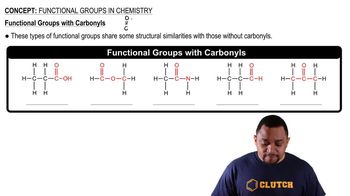
Carbonyl Functional Groups

Types of Reactions Involving Alcohols

Alcohols can undergo several types of reactions, including oxidation, where they are converted to aldehydes or ketones; dehydration, which leads to the formation of alkenes; and substitution reactions, where the hydroxyl group is replaced by another functional group. Understanding these reactions is crucial for predicting the products formed when alcohols react.
추천 영상:
가이드 코스
01:30
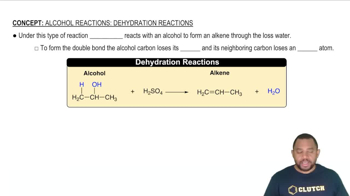
Alcohol Reactions: Dehydration Reactions

Reaction Conditions and Mechanisms

The products of alcohol reactions depend significantly on the reaction conditions (such as temperature, presence of acids or bases) and the mechanism involved (e.g., nucleophilic substitution or elimination). Different conditions can lead to different products, making it essential to consider these factors when analyzing alcohol reactions.
추천 영상:
가이드 코스
03:06
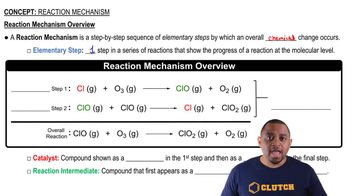
Reaction Mechanism Overview