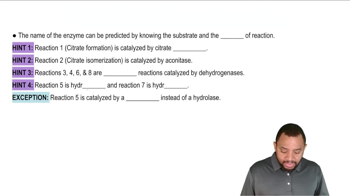
It is inhibited by high energy molecules (Acetyl-CoA, ATP, NADH) and activated by low energy molecules (NAD+, AMP, CoA-SH); also regulated by phosphorylation (inactive when phosphorylated).
What are the substrates and products of Complex I in the electron transport chain?
Complex I oxidizes NADH to NAD+, transferring electrons to ubiquinone and pumping protons across the inner mitochondrial membrane.
What is the role of Complex II in the electron transport chain?
Complex II oxidizes FADH2 to FAD, transfers electrons to ubiquinone but does not pump protons.
What does Complex IV do in the electron transport chain?
Complex IV transfers electrons to oxygen, reducing it to water, and pumps protons to maintain the gradient.
What is the function of ATP synthase?
ATP synthase uses the proton gradient to drive the phosphorylation of ADP to ATP as protons flow back into the mitochondrial matrix.
Why is the maintenance of the membrane potential crucial for ATP formation?
The proton gradient stores potential energy; its maintenance allows protons to flow through ATP synthase, powering ATP production.
Why are NADH and FADH2 considered high energy molecules?
Because they carry high-energy electrons that can be oxidized in the electron transport chain to generate ATP.
What is the net ATP yield from the complete oxidation of one glucose molecule?
Approximately 38 ATP molecules are produced from one glucose molecule through glycolysis, TCA cycle, and electron transport chain.
What happens to the other 60% of energy from glucose oxidation not captured as ATP?
It is released as heat energy to help maintain body temperature.
How does the electron transport chain couple oxidation to phosphorylation?
Electrons from NADH and FADH2 are passed through complexes, pumping protons to create a gradient that drives ATP synthesis from ADP.
Which TCA cycle enzymes are oxidoreductases?
Isocitrate dehydrogenase, α-Ketoglutarate dehydrogenase, Succinate dehydrogenase, and Malate dehydrogenase are oxidoreductases.
What enzyme catalyzes the first step of the TCA cycle?
Citrate synthase catalyzes the condensation of acetyl-CoA and oxaloacetate to form citrate.
How is the TCA cycle regulated by energy status?
It is activated by low energy signals (ADP, NAD+) and inhibited by high energy molecules (ATP, NADH, succinyl-CoA).
What is the role of ubiquinone (CoQ) in the electron transport chain?
CoQ is a mobile electron carrier that transfers electrons from Complexes I and II to Complex III.
 뒤로
 1:21