 뒤로
뒤로Microbial Mechanisms of Pathogenicity
 03:40
03:40
이 집합의 용어 (26)
Pathogenicity is the ability of a microorganism to cause disease.
Virulence is the degree of pathogenicity of a microorganism.
Mucous membranes, skin, and parenteral route (direct deposition into tissues via injections, bites, wounds).
The respiratory tract is the most commonly used portal of entry, typically via inhalation.
Pathogens use adhesins (ligands) to bind to receptors on host cells, such as glycocalyx, fimbriae, or viral spikes.
Capsules (glycocalyx around cell wall) impair phagocytosis, helping bacteria evade immune response.
M protein (resists phagocytosis), Opa protein (attachment), and mycolic acid (resists digestion by phagocytes).
Coagulases, kinases, hyaluronidase, collagenase, and IgA proteases aid invasion by modifying host tissues or immune factors.
Pathogens alter surface antigens to evade host antibodies, making immune responses ineffective.
Invasins are bacterial surface proteins that rearrange host actin to promote bacterial engulfment and spread.
Biofilms protect bacteria from antibiotics, disinfectants, and phagocytosis, contributing to persistent infections.
Siderophores are proteins secreted by pathogens to bind iron more tightly than host proteins, aiding bacterial growth.
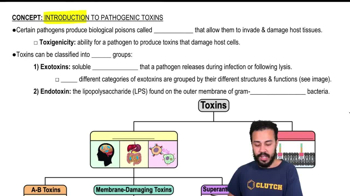
Exotoxins are proteins secreted by bacteria that destroy host cells or inhibit metabolism, often highly specific and potent.
A-B exotoxins have an enzyme (A) component and a binding (B) component that targets host cells.
These toxins lyse host cells by disrupting plasma membranes, including leukocidins and hemolysins.
Endotoxins are lipid A portions of LPS from gram-negative bacteria that cause fever, shock, and inflammation when released.
The LAL assay detects endotoxins by clotting amebocytes from horseshoe crab blood in their presence.
Lysogenic conversion is when a prophage integrates into a bacterium, changing its characteristics, such as toxin production.
Intracellular location, antigenic variation, methylation of viral RNA, and direct attack on immune components.
CPE are visible changes in host cells caused by viral infection, including cell death, inclusion bodies, and syncytium formation.
Alpha and beta interferons inhibit viral protein synthesis and induce apoptosis in infected cells, protecting neighboring cells.
Production of toxic metabolites, allergic responses, proteases, capsules preventing phagocytosis, and mycotoxins.
By digesting host cells, growing inside phagocytes, and antigenic variation.
Use host tissue for growth, produce large parasitic masses causing damage, and release waste products causing symptoms.
It is caused by saxitoxin from dinoflagellate algae, concentrated in mollusks consumed by humans.
Respiratory tract, gastrointestinal tract, genitourinary tract, skin, blood, and via arthropod bites or needles.