Skip to main content
Microbiology
나의 코스
배우기
시험 준비
AI 튜터
학습 가이드
교과서적 해결책
플래시카드
탐험해 보세요
앱을 사용해 보세요
나의 코스
배우기
시험 준비
AI 튜터
학습 가이드
교과서적 해결책
플래시카드
탐험해 보세요
앱을 사용해 보세요
뒤로
Microbiology: Pathogenesis, Virulence, and Infection Control
카드를 뒤집기 위해 탭할 수 있습니다.
Normal microbiota benefits
카드를 뒤집기 위해 탭할 수 있습니다.
👆
Normal microbiota benefits
Normal microbiota manufacture vitamins, compete with pathogens, and promote immune system maturation.
진행 상황 추적
컨트롤 버튼이 '내비게이션' 모드로 변경되었습니다.
1/30
추천 영상
03:25
The Human Microbiome
3486
views
60
rank
05:48
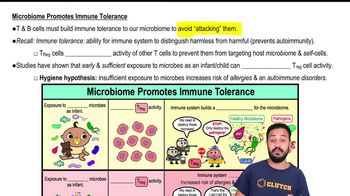
Microbiome Promotes Immune Tolerance
1932
views
30
rank
03:26
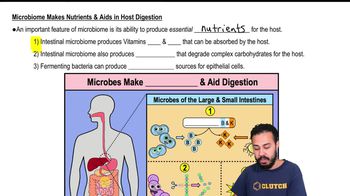
Microbiome Makes Nutrients & Aids in Host Digestion
1801
views
25
rank
이 집합의 용어 (30)
하이드의 정의
Normal microbiota benefits
Normal microbiota manufacture vitamins, compete with pathogens, and promote immune system maturation.
Dysbiosis
Disruption of normal microbiota, often by antibiotics, which can compromise patient health.
Tropism
Pathogen preference for a specific host and tissue; can change over time.
Pathogenicity vs Virulence
Pathogenicity
is the ability to cause disease;
virulence
is the degree of disease severity caused.
Virulence factors
Mechanisms pathogens use to overcome defenses, damage host cells, or provoke harmful immune responses.
Infectious dose-50 (ID50)
Number of microbes needed to infect 50% of exposed hosts; lower ID50 means higher infectivity.
Lethal dose-50 (LD50)
Amount of toxin needed to kill 50% of affected hosts; lower LD50 means higher lethality.
Endotoxins
Lipid A portion of LPS in Gram-negative bacteria; released when cells die; cause fever, inflammation, and shock.
Exotoxins
Protein toxins secreted by Gram-positive and Gram-negative bacteria; target specific cells and cause diverse effects.
Types of exotoxins
Type I: membrane-acting; Type II: membrane-damaging; Type III: intracellular (often AB toxins).
Capsules as virulence factors
Capsules help pathogens evade immune system by blocking phagocytosis and complement binding.
Adhesins
Virulence factors like fimbriae or pili that allow pathogens to attach specifically or nonspecifically to host cells.
Siderophores
Molecules produced by bacteria to sequester iron from host proteins, promoting bacterial growth.
Portal of entry examples
Respiratory tract, gastrointestinal tract, genitourinary tract, skin, conjunctiva, parenteral route, placenta.
Parenteral route
Direct entry through punctures, bites, injections, or cuts, bypassing skin or mucous membranes.
Antigenic variation
Pathogen changes surface molecules to evade immune detection and delay immune response.
Molecular mimicry
Pathogen produces molecules resembling host molecules to avoid immune recognition.
Latency
Pathogen persists quietly inside host causing persistent or recurrent disease, e.g., herpes viruses.
Biosafety levels (BSL)
BSL-1: minimal risk; BSL-2: moderate hazards; BSL-3: serious airborne diseases; BSL-4: lethal exotic agents.
Standard precautions in healthcare
Universal measures like hand hygiene, PPE, and safe injection to prevent transmission from all patients.
Transmission-based precautions
Additional measures (contact, droplet, airborne) used when specific infections are suspected or confirmed.
Fomite
Non-living object that can transmit pathogens, e.g., doorknobs, towels, medical equipment.
Superantigens
Exotoxins that overstimulate the immune system, causing harmful excessive immune responses.
Coagulase function
Enzyme that promotes clot formation, helping bacteria like Staphylococcus aureus evade immune defenses.
How pathogens obtain nutrients
Pathogens invade tissues, produce enzymes like lipases and proteases, and use siderophores to scavenge nutrients.
Immune evasion strategies
Include antigenic variation, molecular mimicry, antigenic masking, interference with phagocytosis, and immune suppression.
Portal of exit
Routes pathogens use to leave the host, e.g., respiratory secretions, feces, urine, blood, genital secretions.
Difference between true and opportunistic pathogens
True pathogens cause disease in healthy hosts; opportunistic pathogens cause disease when defenses are weakened.
Role of kinases in pathogenesis
Enzymes that alter host cell signaling to aid invasion, survival, or immune interference.
Why endotoxin release can be deadly
Endotoxin causes fever, inflammation, hypotension, and can lead to septic shock and organ failure.
 뒤로뒤로
뒤로뒤로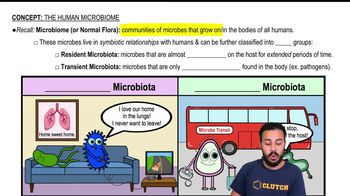
 03:25
03:25