Ch. 21 - Rickettsias, Chlamydias, Spirochetes, and Vibrios
Bauman - Microbiology with Diseases by Taxonomy 6th Edition
Bauman6th EditionMicrobiology with Diseases by TaxonomyISBN: 9780134832302당신이 사용하는 게 아니라요?교과서 변경
21장, 문제 5

Discuss the prospects for the eradication of leptospirosis.

검증된 단계별 안내
1
Begin by defining leptospirosis as a zoonotic bacterial disease caused by pathogenic species of the genus Leptospira, which affects both humans and animals worldwide.
Explain the factors that influence the prospects for eradication, including the disease's transmission cycle involving multiple animal reservoirs, environmental persistence of the bacteria, and the diversity of Leptospira serovars.
Discuss the challenges to eradication such as the widespread presence of animal carriers (especially rodents), the difficulty in controlling environmental contamination, and the lack of an effective universal vaccine for all serovars.
Highlight the strategies that could improve control and potential eradication, including improved sanitation, rodent control programs, vaccination of livestock and pets, public health education, and early diagnosis and treatment.
Conclude by evaluating that while complete eradication is difficult due to ecological and biological factors, integrated control measures can significantly reduce the incidence and impact of leptospirosis.

비슷한 문제에 대한 검증된 영상 답변:

이 영상 해법은 위 문제에 도움이 된다고 튜터들이 추천한 것입니다.
영상 길이:
2m

주요 개념

질문에 올바르게 답하기 위해 반드시 이해해야 하는 핵심 개념들은 다음과 같습니다.

Leptospirosis Etiology and Transmission

Leptospirosis is a zoonotic bacterial infection caused by Leptospira species, transmitted primarily through contact with water or soil contaminated by the urine of infected animals. Understanding its reservoirs, modes of transmission, and environmental persistence is essential for assessing eradication feasibility.
추천 영상:
04:23
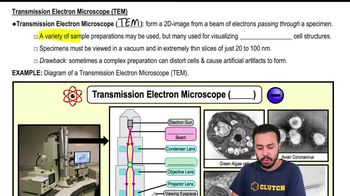
Transmission Electron Microscope (TEM)

Challenges in Disease Control and Eradication

Eradication efforts face challenges such as diverse animal reservoirs, environmental survival of the bacteria, asymptomatic carriers, and limited access to clean water and sanitation. These factors complicate interrupting transmission cycles and require integrated public health strategies.
추천 영상:
04:57
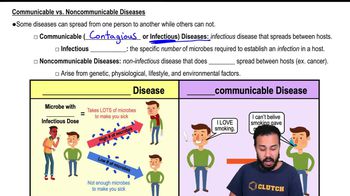
Communicable vs. Noncommunicable Diseases

Prevention and Public Health Strategies

Effective prevention includes vaccination of animals, improving sanitation, public education, and early diagnosis and treatment. Understanding these strategies helps evaluate how coordinated interventions can reduce incidence and move toward potential eradication.
추천 영상:
06:00
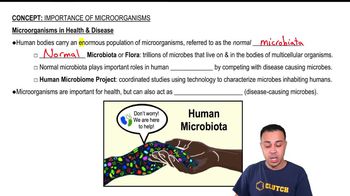
Microorganisms in Health & Disease