Outline the procedures for treating rabies after exposure. Outline the procedures for preventing rabies prior to exposure. What is the reason for the differences in the procedures?
Ch. 22 - Microbial Diseases of the Nervous System

18장, 문제 7a
On the following figure, identify the portal of entry of H. influenzae, C. tetani, botulinum toxin, M. leprae, poliovirus, Lyssavirus, arboviruses, and Acanthamoeba.
<IMAGE>
검증된 단계별 안내1
Step 1: Understand the concept of 'portal of entry' in microbiology, which refers to the site through which a pathogen enters the host to initiate infection. Common portals include respiratory tract, gastrointestinal tract, skin, mucous membranes, and parenteral routes (e.g., wounds).
Step 2: For each microorganism or toxin listed, recall or research their typical portal of entry based on their mode of transmission and infection pathway:
Step 3: Haemophilus influenzae typically enters through the respiratory tract, as it colonizes the nasopharynx and can cause respiratory infections.
Step 4: Clostridium tetani and botulinum toxin usually enter through parenteral routes such as wounds or contaminated punctures, since the bacteria or toxin gain access via damaged skin.
Step 5: Mycobacterium leprae enters primarily through the skin or respiratory tract, poliovirus through the gastrointestinal tract (fecal-oral route), Lyssavirus (rabies virus) through skin breaks from animal bites, arboviruses through insect bites (skin), and Acanthamoeba through the eye (corneal abrasions) or skin wounds.

비슷한 문제에 대한 검증된 영상 답변:
이 영상 해법은 위 문제에 도움이 된다고 튜터들이 추천한 것입니다.
영상 길이:
1m주요 개념
질문에 올바르게 답하기 위해 반드시 이해해야 하는 핵심 개념들은 다음과 같습니다.
Portal of Entry in Infectious Diseases
The portal of entry is the site through which a pathogen enters the host to initiate infection. Common portals include respiratory, gastrointestinal, skin, and mucous membranes. Understanding the portal of entry helps explain how different microbes infect specific tissues and cause disease.
추천 영상:
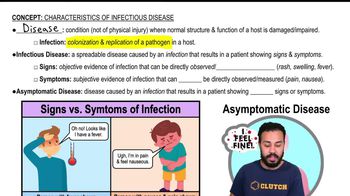
Intro to Characteristics of Infectious Disease
Pathogen-Specific Transmission and Infection Routes
Each pathogen has characteristic routes of transmission and preferred portals of entry, such as inhalation for respiratory pathogens or skin wounds for others. For example, H. influenzae typically enters via the respiratory tract, while C. tetani enters through wounds. Recognizing these routes is essential for identifying infection sources and prevention.
추천 영상:
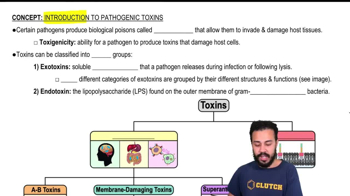
Introduction to Pathogenic Toxins
Microbial Diversity and Disease Mechanisms
Different microbes, including bacteria, viruses, and protozoa, have unique mechanisms to invade and survive in the host. For instance, botulinum toxin acts through ingestion, M. leprae infects via skin or respiratory routes, and arboviruses are transmitted by insect vectors. Understanding these differences aids in linking pathogens to their portals of entry.
추천 영상:
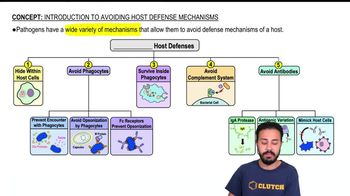
Introduction to Avoiding Host Defense Mechanisms
관련 실천
교과서 질문
829
views
교과서 질문
Provide evidence that Creutzfeldt-Jakob disease is caused by a transmissible agent.
884
views
교과서 질문
Match the following choices to the statements in questions 7 and 8:
a. antirabies antibodies
b. HDC
Used for passive immunization.
970
views
교과서 질문
The increased incidence of encephalitis in the summer months is due to
a. Maturation of the viruses.
b. Increased temperature.
c. The presence of adult mosquitoes.
d. An increased population of birds.
e. An increased population of horses.
교과서 질문
Match the following choices to the statements in questions 7 and 8:
a. antirabies antibodies
b. HDCV
Produces longest lasting protection.
1482
views
교과서 질문
Fill in the following table:
847
views