Ch. 23 - Microbial Diseases of the Cardiovascular and Lymphatic Systems
Tortora - Microbiology: An Introduction 14th Edition
Tortora14th EditionMicrobiology: An IntroductionISBN: 9780138200398당신이 사용하는 게 아니라요?교과서 변경
19장, 문제 4

Use the following choices to answer the question given below:
a. Ehrlichiosis
b. Lyme disease
c. Septic shock
d. Toxoplasmosis
e. Viral hemorrhagic fever
A patient presents with mental confusion, rapid breathing and heart rate, and low blood pressure. What is your diagnosis?

검증된 단계별 안내
1
Step 1: Identify the key symptoms presented by the patient: mental confusion, rapid breathing, rapid heart rate, and low blood pressure.
Step 2: Understand what each symptom typically indicates in a clinical context. For example, mental confusion can be a sign of poor oxygen delivery to the brain, rapid breathing and heart rate often indicate the body is under stress, and low blood pressure suggests circulatory failure.
Step 3: Review the list of possible diagnoses and recall their common clinical presentations: ehrlichiosis (tick-borne infection), Lyme disease (tick-borne infection with rash and joint symptoms), septic shock (a severe systemic response to infection causing low blood pressure and organ dysfunction), toxoplasmosis (parasitic infection often affecting the brain), and viral hemorrhagic fever (severe viral infection causing bleeding and shock).
Step 4: Match the symptoms to the most likely diagnosis. The combination of rapid breathing, rapid heart rate, low blood pressure, and mental confusion is characteristic of septic shock, which is a life-threatening condition caused by an overwhelming infection leading to circulatory collapse.
Step 5: Conclude that the diagnosis is septic shock based on the symptom profile and the clinical definitions of the listed diseases.

비슷한 문제에 대한 검증된 영상 답변:

이 영상 해법은 위 문제에 도움이 된다고 튜터들이 추천한 것입니다.
영상 길이:
1m

주요 개념

질문에 올바르게 답하기 위해 반드시 이해해야 하는 핵심 개념들은 다음과 같습니다.

Septic Shock

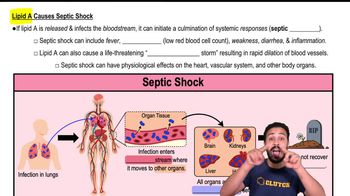
Septic shock is a severe and potentially fatal condition caused by an overwhelming immune response to infection, leading to dangerously low blood pressure, rapid heart rate, and rapid breathing. It results from widespread inflammation and can cause organ failure if untreated.
추천 영상:
03:24
Lipid A Causes Septic Shock

Symptoms of Septic Shock

Key symptoms include mental confusion due to reduced brain perfusion, tachypnea (rapid breathing) as the body attempts to compensate for low oxygen, tachycardia (rapid heart rate) to maintain circulation, and hypotension (low blood pressure) from systemic vasodilation and fluid loss.
추천 영상:
03:24
Lipid A Causes Septic Shock

Differential Diagnosis in Infectious Diseases

Differentiating septic shock from other infections like ehrlichiosis, Lyme disease, toxoplasmosis, or viral hemorrhagic fever requires understanding their distinct clinical presentations and pathophysiology. Septic shock is characterized primarily by systemic inflammatory response and circulatory collapse.
추천 영상:
05:09
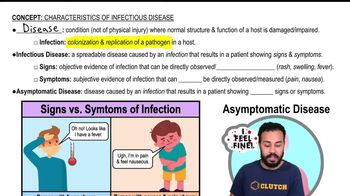
Intro to Characteristics of Infectious Disease