Ch. 24 - Microbial Diseases of the Respiratory System
Tortora - Microbiology: An Introduction 14th Edition
Tortora14th EditionMicrobiology: An IntroductionISBN: 9780138200398당신이 사용하는 게 아니라요?교과서 변경
20장, 문제 3

Your culture from a pneumonia patient appears not to have grown. You do see colonies, however, when the plate is viewed at 100x.
a. Chlamydia
b. Coccidioides
c. Histoplasma
d. Mycobacterium
e. Mycoplasma

검증된 단계별 안내
1
Step 1: Understand the clinical context and the observation. The culture from a pneumonia patient shows no visible growth to the naked eye, but colonies are visible under 100x magnification. This suggests the organism might be very small or have special growth requirements.
Step 2: Review the characteristics of each organism listed: Chlamydia, Coccidioides, Histoplasma, Mycobacterium, and Mycoplasma. Consider their size, growth patterns, and culture requirements.
Step 3: Recall that Mycoplasma species are among the smallest free-living bacteria and lack a cell wall, making them difficult to see without magnification and often requiring special culture conditions. They often do not form visible colonies to the naked eye but can be seen microscopically.
Step 4: Compare this with other organisms: Coccidioides and Histoplasma are fungi that typically form visible colonies; Mycobacterium grows slowly but usually forms visible colonies; Chlamydia is an obligate intracellular pathogen and does not grow on standard culture media.
Step 5: Conclude that the organism showing colonies only under magnification and not visible to the naked eye is most consistent with Mycoplasma, based on its unique growth characteristics.

비슷한 문제에 대한 검증된 영상 답변:

이 영상 해법은 위 문제에 도움이 된다고 튜터들이 추천한 것입니다.
영상 길이:
1m

주요 개념

질문에 올바르게 답하기 위해 반드시 이해해야 하는 핵심 개념들은 다음과 같습니다.

Microbial Growth and Culture Characteristics

Microbial growth on culture media varies by organism; some microbes form visible colonies to the naked eye, while others require magnification or special conditions. Understanding how different pathogens grow helps interpret culture results, especially when colonies are not easily seen but detectable microscopically.
추천 영상:
07:24
Types of Microbes (Microbial Characteristics)

Unique Features of Atypical Pneumonia Pathogens

Certain pneumonia-causing organisms like Mycoplasma and Chlamydia have unique growth requirements or lack cell walls, making them difficult to culture using standard methods. Recognizing these atypical pathogens is crucial when cultures appear negative despite clinical infection.
추천 영상:
03:40
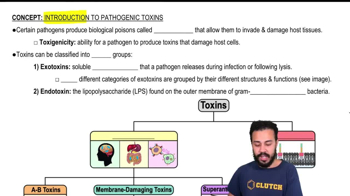
Introduction to Pathogenic Toxins

Microscopic Examination in Microbial Identification

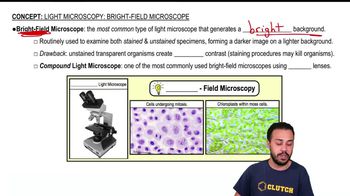
Microscopic observation at higher magnifications can reveal microbial colonies or structures not visible to the naked eye. This technique aids in detecting slow-growing or fastidious organisms, guiding diagnosis when routine culture results are inconclusive.
추천 영상:
03:46
Light Microscopy: Bright-Field Microscopes