Ch. 27 - Environmental Microbiology
Tortora - Microbiology: An Introduction 14th Edition
Tortora14th EditionMicrobiology: An IntroductionISBN: 9780138200398당신이 사용하는 게 아니라요?교과서 변경
23장, 문제 9

Bioremediation refers to the use of living organisms to remove pollutants. Describe three examples of bioremediation.

검증된 단계별 안내
1
Understand that bioremediation is the process of using living organisms, such as bacteria, fungi, or plants, to degrade or remove environmental pollutants, making contaminated sites cleaner and safer.
Identify the first example: using bacteria to break down oil spills in marine environments. Certain bacteria can metabolize hydrocarbons found in oil, effectively reducing pollution in oceans.
Identify the second example: employing fungi to degrade complex organic pollutants like pesticides or industrial chemicals in soil. Fungi have enzymes capable of breaking down tough compounds that bacteria might not handle well.
Identify the third example: using plants in a process called phytoremediation, where plants absorb heavy metals or other toxins from contaminated soil or water, thereby cleaning the environment.
Summarize that these examples illustrate different types of organisms and mechanisms involved in bioremediation, highlighting its versatility in addressing various pollutants.

비슷한 문제에 대한 검증된 영상 답변:

이 영상 해법은 위 문제에 도움이 된다고 튜터들이 추천한 것입니다.

주요 개념

질문에 올바르게 답하기 위해 반드시 이해해야 하는 핵심 개념들은 다음과 같습니다.

Bioremediation

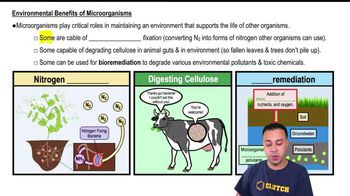
Bioremediation is the process of using living organisms, such as bacteria, fungi, or plants, to degrade or remove environmental pollutants. It is an eco-friendly and cost-effective method to clean contaminated soil, water, or air by transforming harmful substances into less toxic forms.
추천 영상:
04:27
Environmental Benefits of Microorganisms

Microbial Degradation

Microbial degradation involves bacteria or fungi breaking down complex pollutants like oil spills or pesticides into simpler, non-toxic compounds. These microorganisms use pollutants as energy sources, facilitating natural cleanup processes in contaminated environments.
추천 영상:
04:20
Introduction to Microbial Genetics

Phytoremediation

Phytoremediation uses plants to absorb, accumulate, or detoxify pollutants from soil or water. Certain plants can extract heavy metals or organic contaminants, making this method useful for restoring polluted sites while enhancing soil quality and preventing erosion.