Ch. 11 - Properties and Synthesis of Alkyl Halides: Radical Reactions
Mullins - Organic Chemistry: A Learner Centered Approach 1st Edition
Mullins1st EditionOrganic Chemistry: A Learner Centered ApproachISBN: 9780137566471당신이 사용하는 게 아니라요?교과서 변경
10장, 문제 56

If a small amount of a moderately nonpolar poisonous compound was added to a pond, why would it be safer to drink the water than it would be to eat the fish that live there?

검증된 단계별 안내
1
Understand the concept of bioaccumulation: Bioaccumulation refers to the process by which organisms accumulate toxic substances, such as nonpolar compounds, at a rate faster than they can eliminate them.
Consider the solubility of nonpolar compounds: Nonpolar compounds tend to be more soluble in organic solvents and lipids than in water. This means they are more likely to accumulate in the fatty tissues of organisms, such as fish, rather than remaining dissolved in the water.
Analyze the food chain dynamics: Fish, being higher up in the food chain, can accumulate higher concentrations of the nonpolar compound through their diet, as they consume smaller organisms that have absorbed the compound.
Evaluate the concentration effect: The concentration of the nonpolar compound in the fish is likely to be higher than in the water due to bioaccumulation, making the fish more hazardous to consume.
Conclude with risk assessment: Drinking the water, which contains a lower concentration of the compound, poses less risk than eating the fish, which have accumulated higher levels of the toxin in their tissues.

비슷한 문제에 대한 검증된 영상 답변:

이 영상 해법은 위 문제에 도움이 된다고 튜터들이 추천한 것입니다.

주요 개념

질문에 올바르게 답하기 위해 반드시 이해해야 하는 핵심 개념들은 다음과 같습니다.

Polarity and Solubility

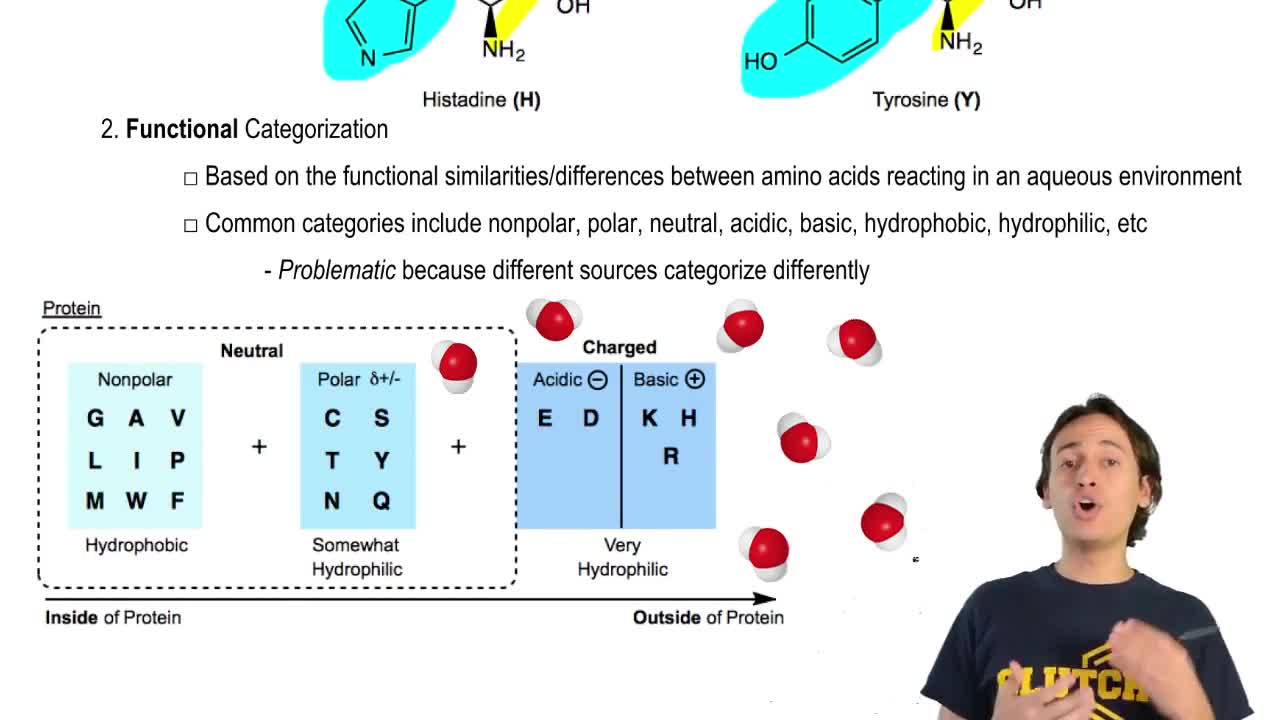
Polarity refers to the distribution of electrical charge over the atoms in a molecule. Nonpolar compounds tend to be hydrophobic, meaning they do not dissolve well in water. This concept is crucial because it explains why the nonpolar compound might not mix thoroughly with the pond water, making the water safer to drink than consuming fish that may accumulate the compound.
추천 영상:
07:13
Functional Classification

Bioaccumulation

Bioaccumulation is the process by which organisms accumulate substances, such as pesticides or other chemicals, in their bodies over time. Fish can absorb nonpolar compounds from the water and store them in their fatty tissues, leading to higher concentrations than in the surrounding water. Understanding this concept helps explain why eating fish could be more dangerous than drinking the water.

Food Chain and Biomagnification

Biomagnification refers to the increase in concentration of a substance in a food chain. As small fish consume contaminated water and are eaten by larger fish, the concentration of the nonpolar compound increases at each trophic level. This concept is essential for understanding why the compound's concentration might be higher in fish than in the water, posing a greater risk when consuming fish.
추천 영상:
06:14
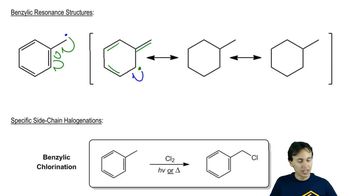
Side-Chain Halogenations