

Ch. 4 - Acids and Bases/Electron Flow
Mullins - Organic Chemistry: A Learner Centered Approach 1st Edition
Mullins1st EditionOrganic Chemistry: A Learner Centered ApproachISBN: 9780137566471당신이 사용하는 게 아니라요?교과서 변경
3장, 문제 77

Consider the following drugs used to treat the indicated diseases. Would you expect the activity of these drugs to be impacted by a patient taking other medicines for acid reflux disease?

검증된 단계별 안내
1
Step 1: Analyze the chemical structures of the drugs provided in the image. Lovastatin, Vyvanse, Viagra, Tarceva, and aspirin all have functional groups that could be impacted by changes in pH or enzymatic activity in the stomach or liver.
Step 2: Consider the mechanism of action for acid reflux medications. These drugs often work by reducing stomach acid production, which can alter the pH of the stomach and potentially impact the solubility and absorption of other drugs.
Step 3: Evaluate the functional groups in each drug. For example, lovastatin contains ester groups that may undergo hydrolysis, Vyvanse has an amide bond, Viagra has sulfonamide and aromatic groups, Tarceva has ether and amide groups, and aspirin contains a carboxylic acid group. The activity of these functional groups can be influenced by pH changes.
Step 4: Consider the role of enzymes such as cytochrome P450 in drug metabolism. Acid reflux medications can inhibit or induce these enzymes, which may alter the metabolism of the drugs listed. For instance, lovastatin is metabolized by CYP3A4, and its activity could be impacted by enzyme inhibition.
Step 5: Conclude that the activity of these drugs could be impacted by acid reflux medications due to changes in pH affecting drug solubility and absorption, as well as potential interactions with enzymes involved in drug metabolism. Further investigation into specific drug-drug interactions would be necessary to confirm the extent of the impact.

비슷한 문제에 대한 검증된 영상 답변:

이 영상 해법은 위 문제에 도움이 된다고 튜터들이 추천한 것입니다.
영상 길이:
2m

주요 개념

질문에 올바르게 답하기 위해 반드시 이해해야 하는 핵심 개념들은 다음과 같습니다.

Drug Interactions

Drug interactions occur when the effects of one drug are altered by the presence of another drug. This can lead to increased toxicity, reduced efficacy, or unexpected side effects. Understanding how different medications interact is crucial for patient safety, especially when multiple drugs are prescribed simultaneously.
추천 영상:
가이드 코스
2:41
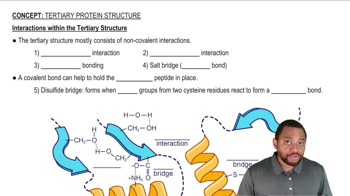
Interactions within the Tertiary Structure Concept 2

Acid-Base Chemistry

Acid-base chemistry is fundamental in organic chemistry, particularly in how drugs are absorbed and metabolized in the body. Many drugs are weak acids or bases, and their solubility and absorption can be significantly affected by the pH of the environment, such as the stomach or intestines, which can be altered by medications for acid reflux.
추천 영상:
02:49
The Lewis definition of acids and bases.

Pharmacokinetics

Pharmacokinetics refers to the study of how drugs move through the body, including absorption, distribution, metabolism, and excretion. Changes in pharmacokinetics due to other medications can affect the concentration of a drug in the bloodstream, potentially leading to therapeutic failure or increased side effects, especially in patients taking multiple medications.