In which cell would you find the most mitochondria?
a. pancreatic cell that secretes digestive enzymes
b. ovarian cell that produces estrogen (a steroid hormone)
c. muscle cell in the thigh of a long-distance runner
d. white blood cell that engulfs bacteria
검증된 단계별 안내
1
Identify the function of mitochondria: Mitochondria are known as the powerhouses of the cell, responsible for producing ATP through cellular respiration, which is crucial for energy-demanding processes.
Consider the energy requirements of each cell type: Cells with higher energy demands will typically have more mitochondria.
Analyze the pancreatic cell: It secretes digestive enzymes, which requires energy, but not as much as some other cell types.
Evaluate the ovarian cell: It produces estrogen, a process that involves steroid synthesis, which requires energy but is not the most energy-intensive process.
Examine the muscle cell: Muscle cells, especially in long-distance runners, require a significant amount of energy for sustained contraction and endurance activities, indicating a high number of mitochondria.
비슷한 문제에 대한 검증된 영상 답변:
이 영상 해법은 위 문제에 도움이 된다고 튜터들이 추천한 것입니다.
영상 길이:
2m
영상 재생:
0 댓글
주요 개념
질문에 올바르게 답하기 위해 반드시 이해해야 하는 핵심 개념들은 다음과 같습니다.
Mitochondrial Function
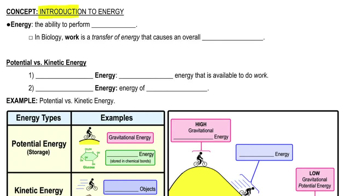
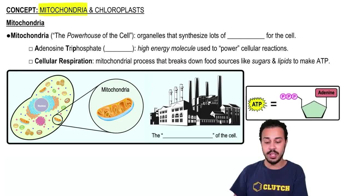
Mitochondria are known as the powerhouse of the cell, responsible for producing adenosine triphosphate (ATP) through cellular respiration. They play a crucial role in energy metabolism, particularly in cells that require high energy levels for their functions.
Different cell types have varying energy demands based on their functions. For instance, muscle cells, especially in athletes, require significant energy for contraction and endurance, leading to a higher number of mitochondria compared to other cell types.
Understanding the specific functions of different cell types helps in predicting mitochondrial abundance. For example, pancreatic cells and ovarian cells have moderate energy needs, while muscle cells, particularly in active individuals, are adapted to have a greater number of mitochondria to meet their high energy requirements.

 2:35분
2:35분 검증된 단계별 안내
 04:18
04:18