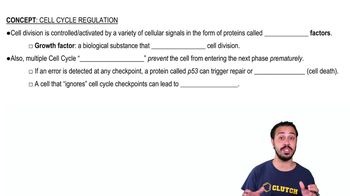
All your cells contain proto-oncogenes, which can change into cancer-causing oncogenes. Why do cells possess such potential time bombs?
검증된 단계별 안내
1
Understand that proto-oncogenes are normal genes that play a crucial role in cell growth and division.
Recognize that proto-oncogenes are essential for normal cellular functions, such as promoting cell cycle progression and preventing apoptosis (programmed cell death).
Acknowledge that mutations or alterations in proto-oncogenes can lead to their conversion into oncogenes, which can cause uncontrolled cell division and potentially lead to cancer.
Consider that the presence of proto-oncogenes is a trade-off, as they are necessary for normal cellular processes but can become harmful if mutated.
Reflect on the importance of regulatory mechanisms in the cell that help prevent the conversion of proto-oncogenes into oncogenes, such as DNA repair systems and tumor suppressor genes.
비슷한 문제에 대한 검증된 영상 답변:
이 영상 해법은 위 문제에 도움이 된다고 튜터들이 추천한 것입니다.
영상 길이:
1m
영상 재생:
0 댓글
주요 개념
질문에 올바르게 답하기 위해 반드시 이해해야 하는 핵심 개념들은 다음과 같습니다.
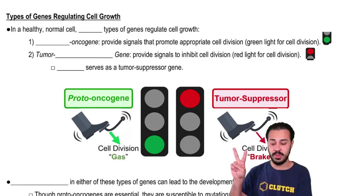
Proto-oncogenes
Proto-oncogenes are normal genes that play a crucial role in cell growth and division. They encode proteins that help regulate cell proliferation and differentiation. When mutated or abnormally expressed, these genes can become oncogenes, leading to uncontrolled cell growth and cancer. Understanding proto-oncogenes is essential for grasping how cancer can develop from normal cellular processes.
Oncogenes are mutated forms of proto-oncogenes that promote cancerous growth. They can result from various factors, including genetic mutations, environmental influences, or viral infections. Oncogenes drive the transformation of normal cells into cancer cells by overriding the regulatory mechanisms that control cell division, making their study vital in cancer research and treatment strategies.
Cellular regulation refers to the complex mechanisms that control cell functions, including growth, division, and apoptosis (programmed cell death). This regulation is crucial for maintaining tissue homeostasis and preventing diseases like cancer. The balance between proto-oncogenes and tumor suppressor genes is a key aspect of cellular regulation, as disruptions can lead to the activation of oncogenes and the development of tumors.

 1:36분
1:36분 검증된 단계별 안내
 04:02
04:02