Skip to main content
Anatomy & Physiology
나의 코스
배우기
시험 준비
AI 튜터
학습 가이드
교과서적 해결책
플래시카드
탐험해 보세요
앱을 사용해 보세요
나의 코스
배우기
시험 준비
AI 튜터
학습 가이드
교과서적 해결책
플래시카드
탐험해 보세요
앱을 사용해 보세요
뒤로
Anatomy & Physiology: Basic Concepts and Body Systems
카드를 뒤집기 위해 탭할 수 있습니다.
What are the basic anatomical concepts?
카드를 뒤집기 위해 탭할 수 있습니다.
👆
What are the basic anatomical concepts?
They include body position, planes, and axes used to describe the human body's structure.
진행 상황 추적
컨트롤 버튼이 '내비게이션' 모드로 변경되었습니다.
1/15
추천 영상
02:40
Anatomical Position
16795
views
462
rank
02:35
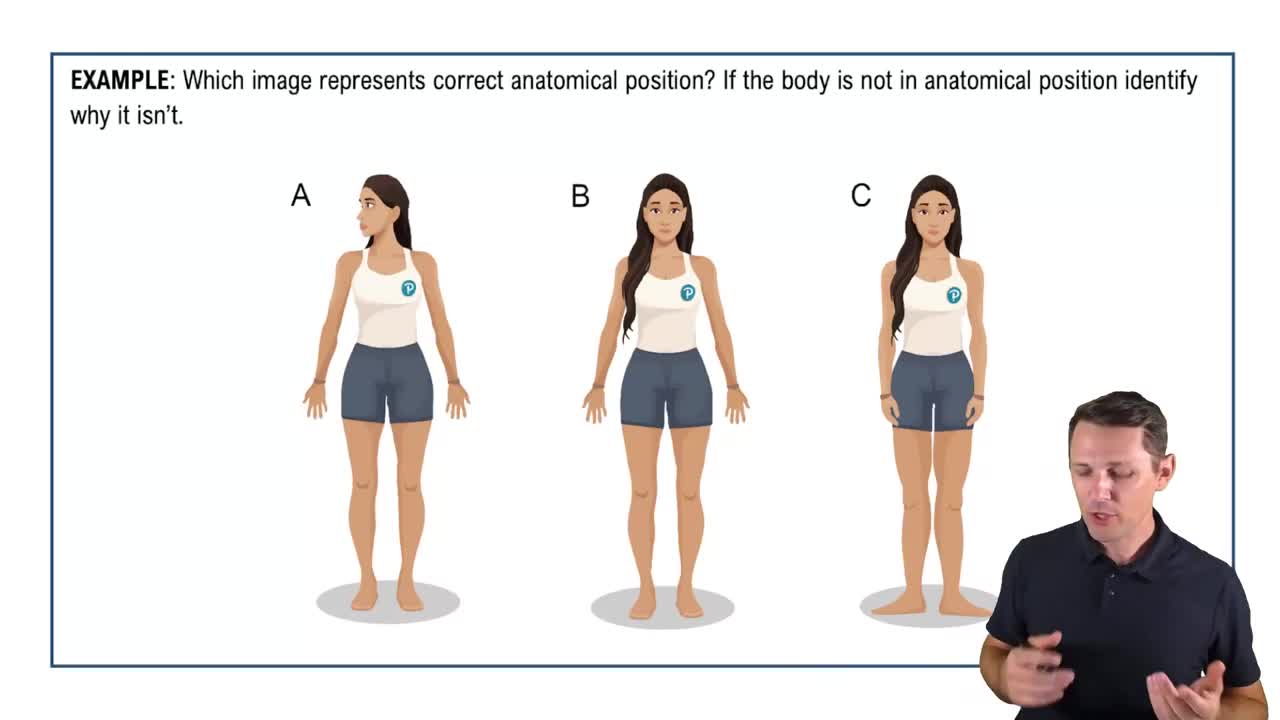
Anatomical Position Example 1
11522
views
250
rank
이 집합의 용어 (15)
하이드의 정의
What are the basic anatomical concepts?
They include body position, planes, and axes used to describe the human body's structure.
What is the anatomical position?
The standard position of the body used as a reference: standing upright, facing forward, arms at sides, palms facing forward.
Name the main anatomical planes of the body.
Sagittal plane, frontal (coronal) plane, and transverse (horizontal) plane.
What are the primary body axes used in anatomy?
Longitudinal axis, anteroposterior axis, and mediolateral axis.
What does the skeletal system consist of?
Bones, cartilage, ligaments, and joints that provide structure and support.
What is the main function of the muscular system?
To produce movement, maintain posture, and generate heat.
What are the components of the nervous system?
The brain, spinal cord, and peripheral nerves.
What is the primary role of the respiratory system?
To facilitate gas exchange, supplying oxygen and removing carbon dioxide.
What organs are part of the digestive system?
Mouth, esophagus, stomach, intestines, liver, pancreas, and others involved in digestion and absorption.
What does the cardiovascular system include?
The heart, blood vessels, and blood, responsible for transporting nutrients and oxygen.
What is the function of the urinary system?
To remove waste products from the blood and regulate fluid balance.
What organs make up the endocrine system?
Glands such as the pituitary, thyroid, adrenal, pancreas, and others that secrete hormones.
What is the tegumentary system?
The skin and its appendages, which protect the body and regulate temperature.
What are the main components of the female reproductive system?
Ovaries, fallopian tubes, uterus, vagina, and external genitalia.
What are the main components of the male reproductive system?
Testes, epididymis, vas deferens, seminal vesicles, prostate, and penis.
 뒤로뒤로
뒤로뒤로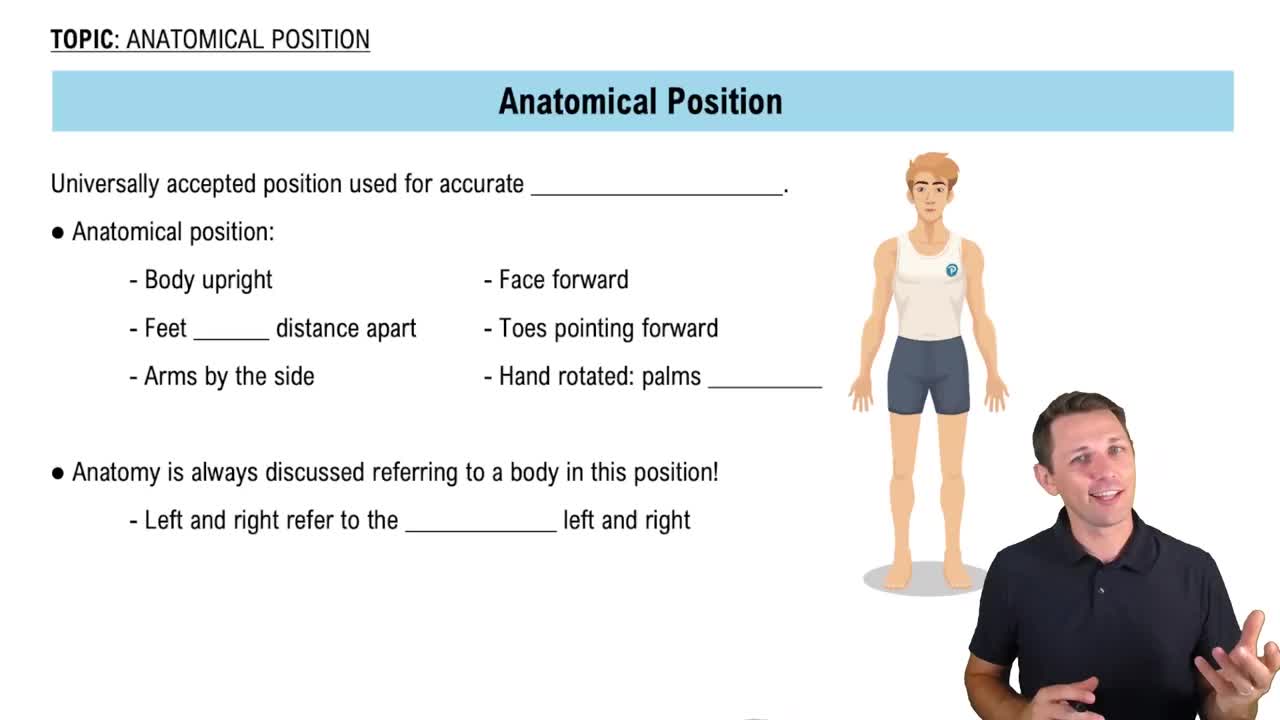
 02:40
02:40