 뒤로
뒤로Anatomy & Physiology: Basic Concepts and Body Systems
 02:40
02:40
이 집합의 용어 (14)
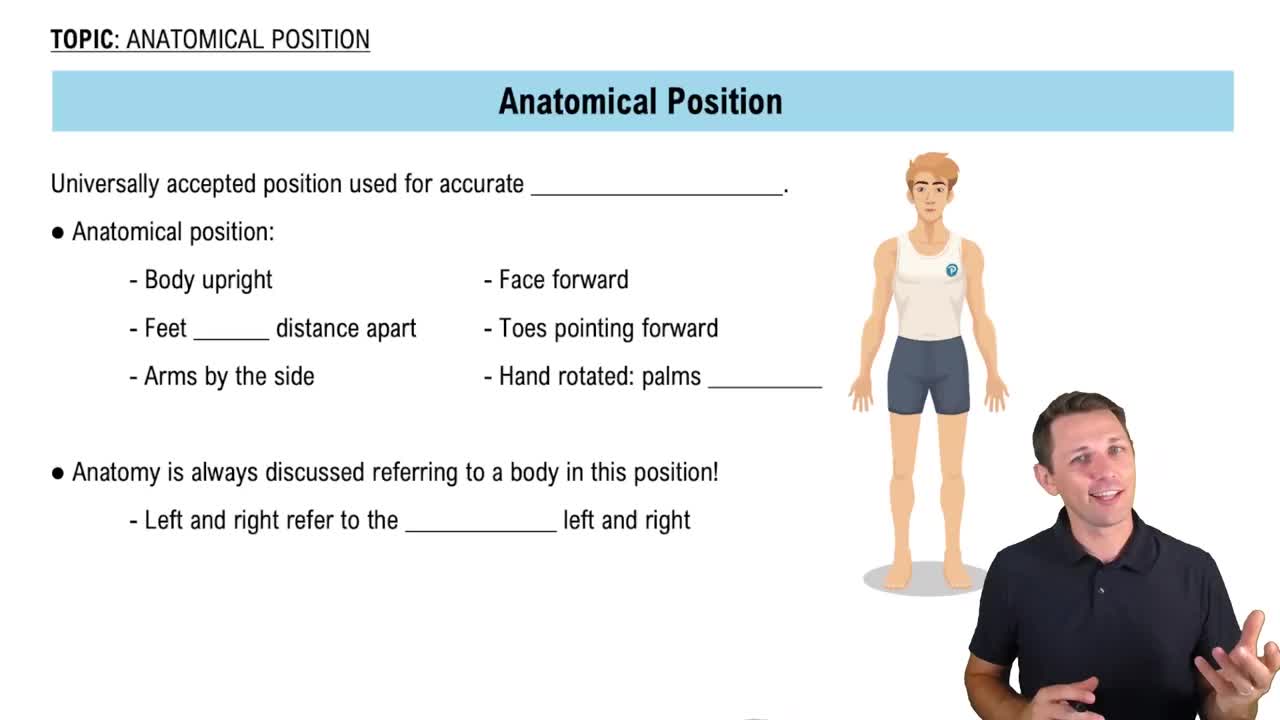
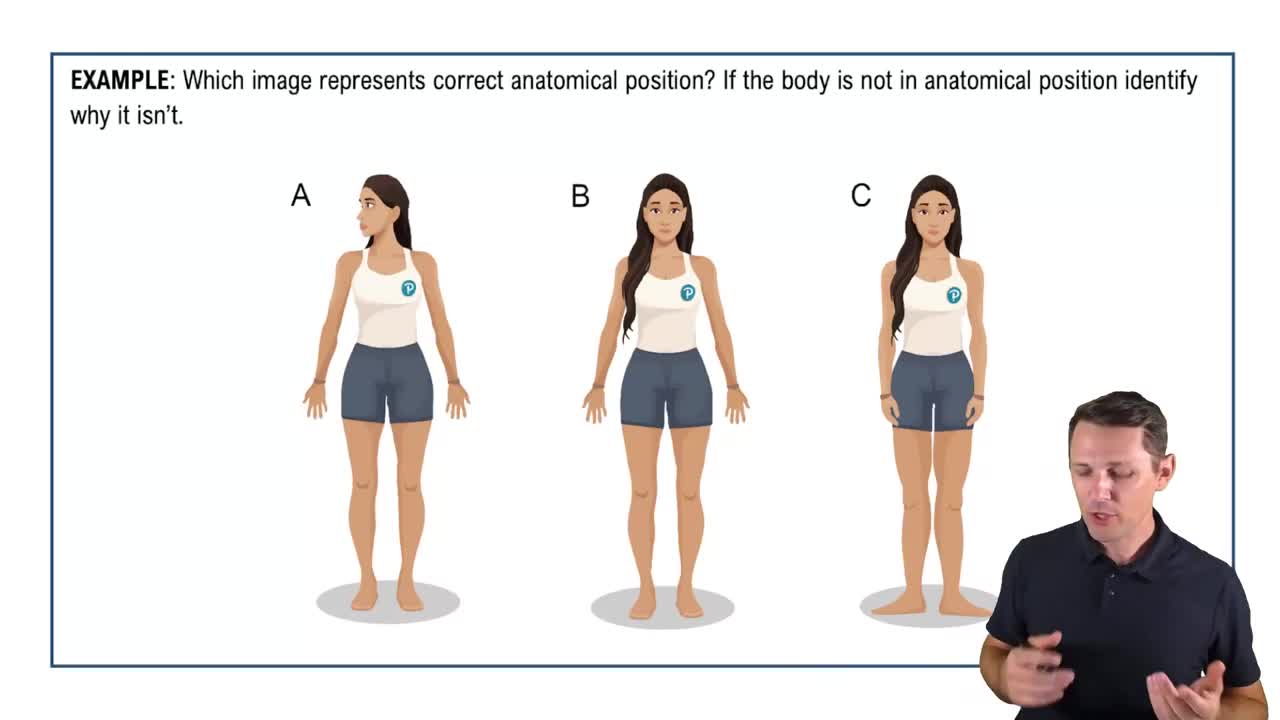
The standard reference position of the body used in anatomy, where the body stands upright, facing forward, arms at the sides with palms facing forward.
Coronal (frontal), sagittal (left and right), and transverse (horizontal) planes used to divide the body for study.
Longitudinal (vertical), transverse (horizontal), and anteroposterior (front to back) axes used to describe movement and orientation.
The bones and joints that provide structure, support, and protection to the body.
To enable movement of the body and maintain posture through muscle contraction.
To control and coordinate body activities by transmitting signals between different body parts.
To facilitate gas exchange, supplying oxygen to the blood and removing carbon dioxide.
Mouth, esophagus, stomach, intestines, liver, pancreas, and other organs involved in digestion and nutrient absorption.
Transporting blood, nutrients, gases, and wastes throughout the body via the heart and blood vessels.
Removes waste products from the blood and regulates fluid and electrolyte balance through urine production.
To secrete hormones that regulate metabolism, growth, reproduction, and other body functions.
The skin and its appendages, which protect the body and regulate temperature.
Ovaries, fallopian tubes, uterus, vagina, and external genitalia involved in reproduction.
Testes, vas deferens, prostate, penis, and associated glands involved in reproduction.