 뒤로
뒤로Anatomy & Physiology - Chapter 1 Key Concepts
 3:06
3:06
이 집합의 용어 (30)
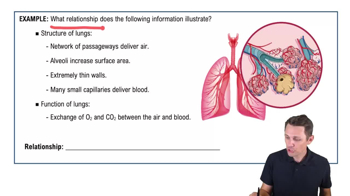
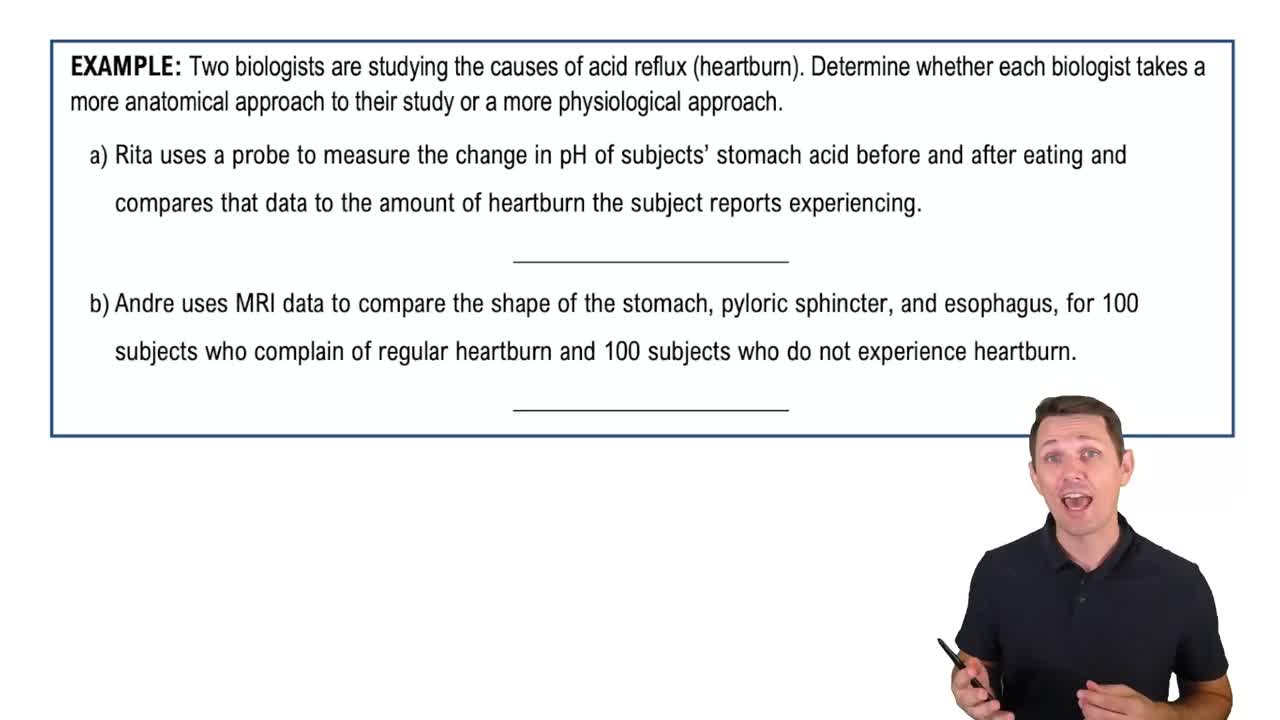
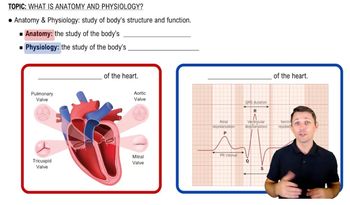
structure of body parts and their relationships to one another.
function of body parts and how they work to carry out life-sustaining activities.
Study of large, visible body structures without a microscope.
Study of all structures in a particular area of the body.
Study of just one system, (cardiovascular, nervous, or muscular systems)
Study of internal structures as they relate to overlying skin, like visible muscle masses or veins.
Study of structures too small to be seen by the naked eye, including cytology and histology.
Microscopic study of plants and animal cells
Microscopic study of tissues.
Study of anatomical and physiological development before birth.
The principle of complementarity states that function always reflects structure; what a structure can do depends on its specific form.
Chemical, Cellular, Tissue, Organ, Organ System, Organismal levels.
Epithelial, Connective, Muscle, and Nervous tissues.
Contains two or more types of tissues working together to perform specific functions.
There are 11 organ systems.
Maintaining boundaries, movement, responsiveness, digestion, metabolism, excretion, reproduction, and growth.
Separates internal environment from external; plasma membranes separate cells and skin separates the organism from the environment.
All chemical reactions in the body, including catabolism (breakdown) and anabolism (synthesis or build up).
Nutrients, oxygen, water, appropriate temperature, and atmospheric pressure.
Maintenance of relatively stable internal conditions despite continuous environmental changes; a dynamic state of equilibrium.
Receptor (monitors environment), Control center (determines set point), and Effector (responds to control center).
Negative feedback reduces the original stimulus; positive feedback enhances or exaggerates the stimulus.
Negative feedback is used most often to maintain homeostasis.
Control of body temperature: sweating to cool down when too hot.
Blood clotting or labor contractions during childbirth.
Afferent pathways carry information to the control center; efferent pathways carry commands from the control center to effectors.
Increased risk of disease, contributes to aging, and control systems become less efficient.
Destructive positive feedback mechanisms may take over, such as in uncontrolled fever.
What are the main communicating systems?
nervous system- electrical impulses
endocrine- hormones
What are variables?
factors that can change