 뒤로
뒤로Anatomy & Physiology Chapter 1 Key Concepts
 05:04
05:04
이 집합의 용어 (20)
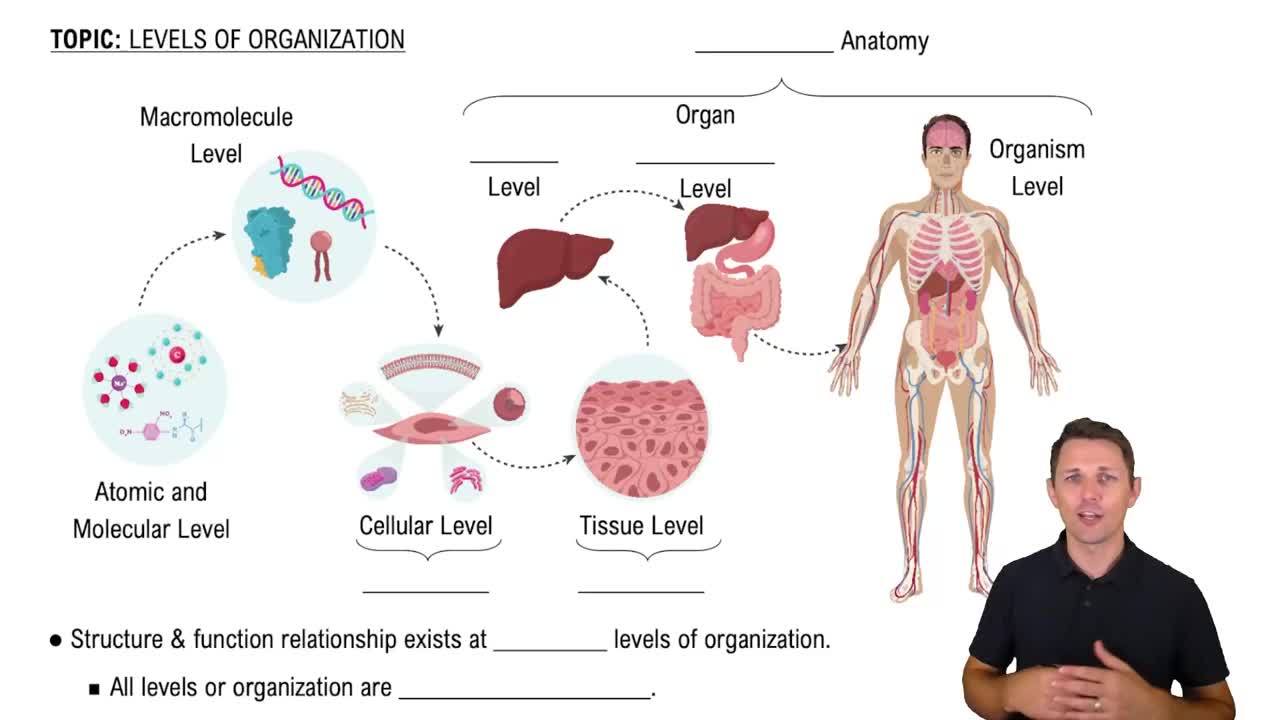
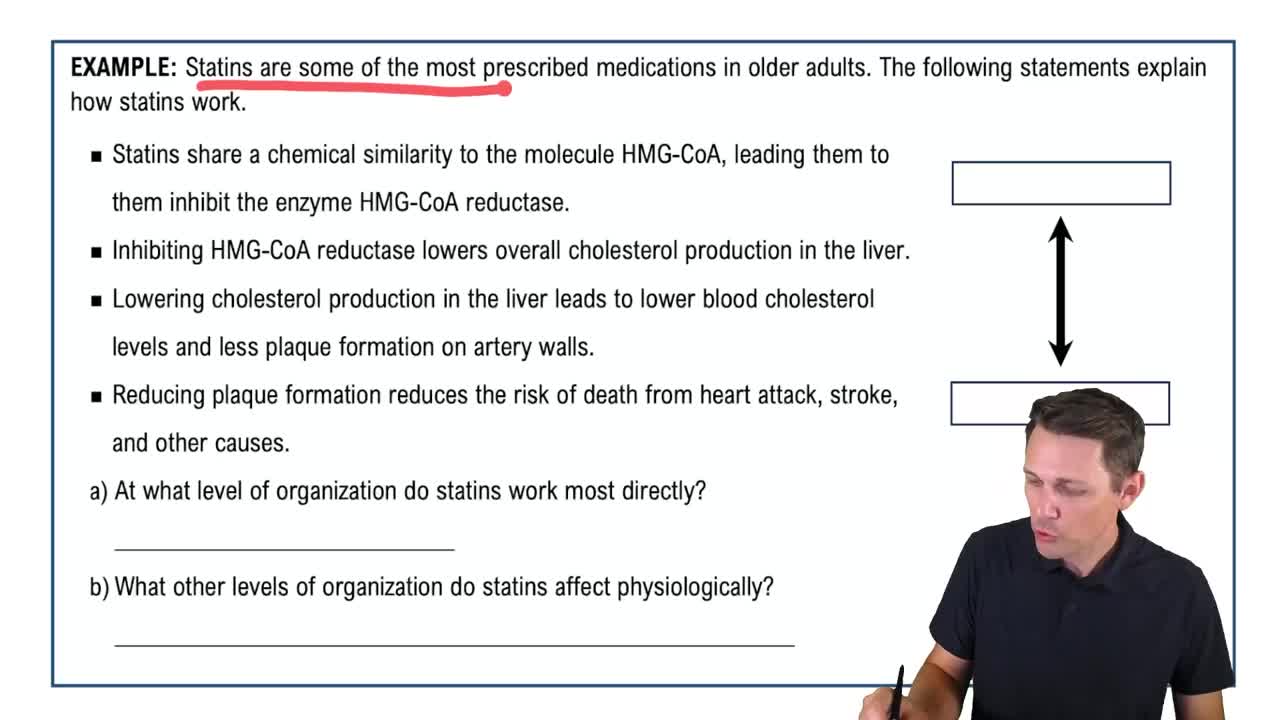
The body is organized into chemical, cellular, tissue, organ, organ system, and organism levels.
Major organ systems include integumentary, skeletal, muscular, nervous, endocrine, cardiovascular, lymphatic, respiratory, digestive, urinary, and reproductive systems.
Homeostasis is the body's ability to maintain a stable internal environment despite external changes.
A negative feedback loop reverses a change to return the body to its set point, maintaining homeostasis.
A positive feedback loop amplifies a change, often to complete a process like childbirth or blood clotting.
The principle that the structure of a body part reflects its function.
Gradients such as concentration, pressure, and temperature differences drive many physiological processes.
Cells communicate via chemical signals and direct contact to coordinate functions.
Protects the body, regulates temperature, and prevents water loss.
Provides support, protection, and produces blood cells.
Enables movement, maintains posture, and produces heat.
Controls body activities with electrical signals and processes sensory information.
Secretes hormones to regulate growth, metabolism, and reproduction.
Transports nutrients, gases, hormones, and wastes throughout the body.
Returns fluid to blood, defends against infection, and absorbs fats from the digestive tract.
Exchanges oxygen and carbon dioxide between blood and air.
Breaks down food, absorbs nutrients, and eliminates waste.
Removes waste from blood and regulates water and electrolyte balance.
Produces gametes and supports development of offspring.
Feedback loops detect changes and trigger responses to maintain internal balance.