 뒤로
뒤로Anatomy & Physiology Chapter 1 Key Concepts
 3:06
3:06
이 집합의 용어 (30)
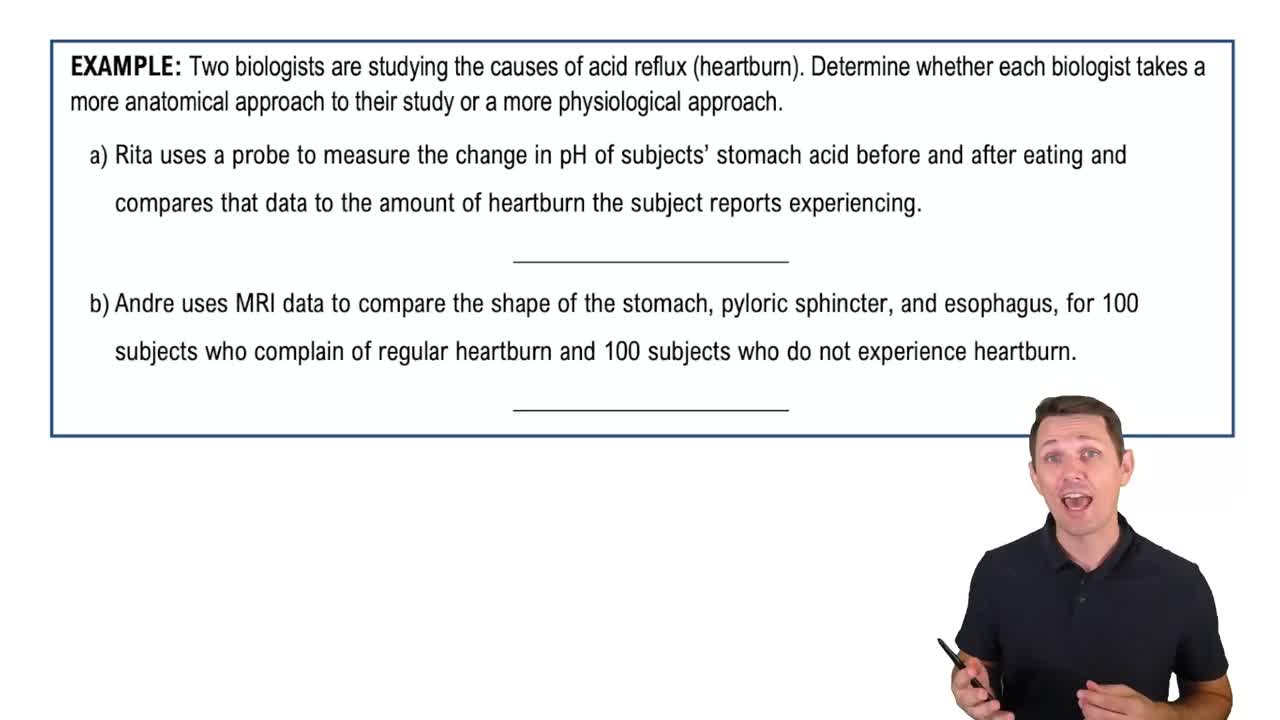
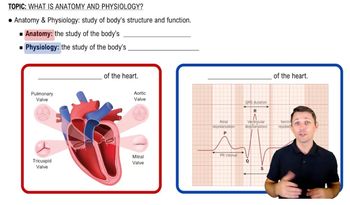
Human anatomy is the study of the body and the relationship between body structures.
Human physiology is the study of the body’s functions.
Anatomy relies on memorization because of many terms for body parts, often using scientific (Latin) names that require memorization.
Physiology requires understanding how body parts function and fit together, not just memorization.
Understanding body parts (anatomy) is essential to learn their functions (physiology), and vice versa.
Embryology studies structures developing from fertilization to the 8th week in utero.
Developmental biology studies development until adult form, beyond the 8th week unlike embryology.
Histology is the study of microscopic tissue structures.
Surface anatomy is visualization and palpation of body surface structures, used clinically to examine pulses or deformities.
Gross anatomy studies anatomical structures visible to the naked eye.
Systemic anatomy studies body systems; regional anatomy studies specific body regions including multiple systems.
Pathological anatomy studies structural changes from disease, aiding prevention and treatment.
System-specific physiology studies functions of specific systems, e.g., neurophysiology.
Immunology studies how the body defends itself from disease.
Pathophysiology studies functional changes from disease and aging, important for understanding and treating conditions.
Chemical, cellular, tissue, organ, organ system, organism.
The cellular level is the basic structural and functional unit of life.
Tissues are groups of cells; organs are two or more tissues working together; organ systems are groups of organs functioning together.
Metabolism is the sum of all chemical reactions in the body.
Anabolism builds up molecules and requires energy; catabolism breaks down molecules and releases energy.
Homeostasis is the maintenance of stable internal conditions necessary for life.
Disruption can cause imbalances leading to disease or death.
A feedback loop is a change in a regulated variable that triggers effects influencing that variable.
Negative feedback reverses changes to restore homeostasis; positive feedback amplifies changes until an external stop.
Stimulus, receptor, control center, effector, response.
Blood clotting via platelets amplifies the response to injury.
Baby's head stretches cervix (stimulus), nerves send signals (receptors) to brain (control center), uterus contracts (effector) via oxytocin release (response) until birth.
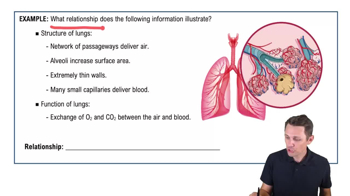
Form fits function; structure determines how an organ or cell works.
A gradient is a difference in concentration or pressure that drives physiological processes.
Cells use chemical messengers and electrical signals to coordinate responses.