 뒤로
뒤로Anatomy & Physiology Chapter 1 Study Guide
 3:06
3:06
이 집합의 용어 (29)
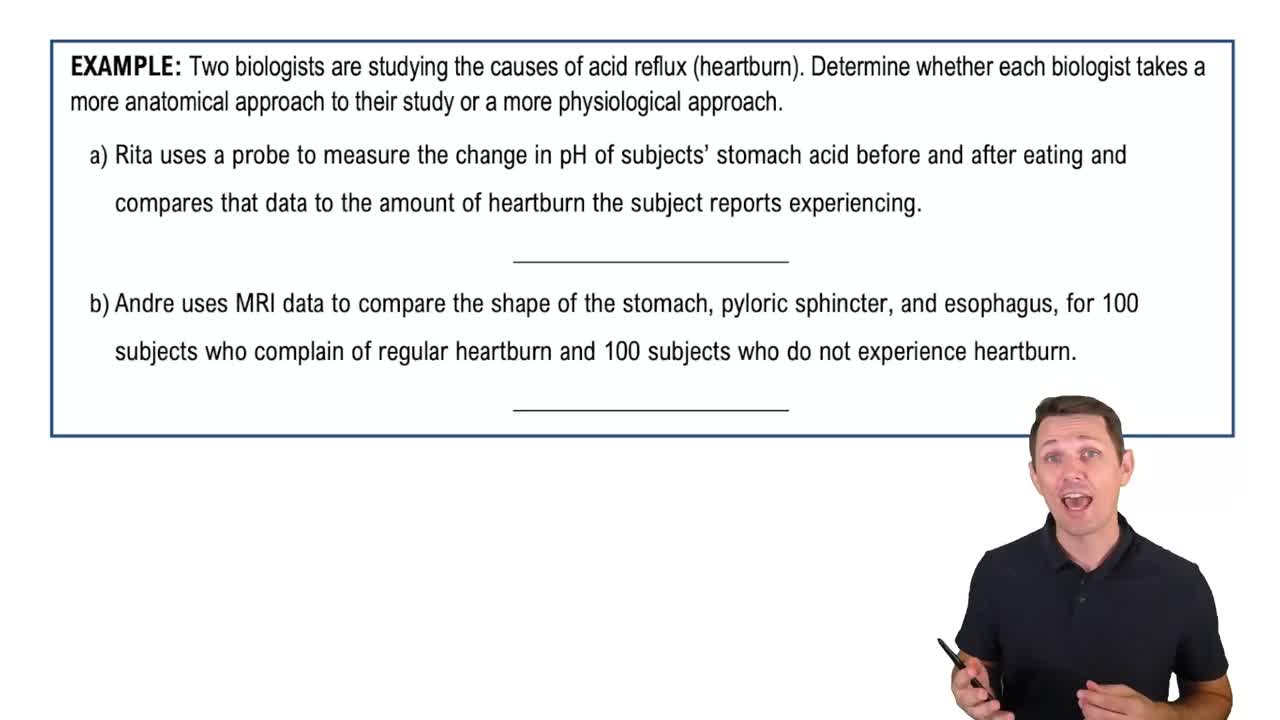
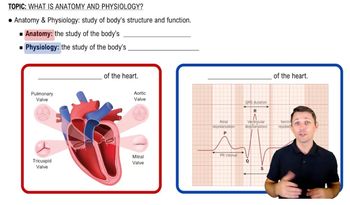
Anatomy is the study of the structure of body parts and their relationships to one another.
Microscopic anatomy includes cytology (study of cells) and histology (study of tissues).
Gross anatomy is the study of body structures visible to the naked eye, including systemic, regional, and surface anatomy.
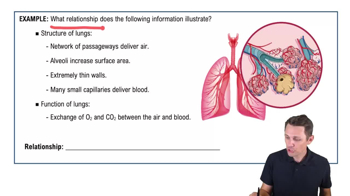
Physiology is the study of the function of the body’s structural machinery.
Examples include cardiovascular physiology, neurophysiology, and reproductive physiology.
Atom → molecule → organelle → cell → tissue → organ → organ system → organism.
Emergent properties are new functions that arise from the interaction and organization of simpler parts at higher levels of biological complexity.
Integumentary, skeletal, muscular, nervous, endocrine, cardiovascular, lymphatic, respiratory, urinary, digestive, and reproductive systems.
The standard body position: standing upright, feet parallel, arms at sides, palms facing forward, and head facing forward.
Anterior means toward the front; posterior means toward the back of the body.
Superior means toward the head; inferior means away from the head or toward the feet.
Medial means toward the midline of the body; lateral means away from the midline.
Proximal means closer to the point of attachment of a limb; distal means farther from the point of attachment.
Coronal (frontal), sagittal, and transverse planes.
A plane is an imaginary flat surface through the body; a section is an actual cut or slice along a plane.
Dorsal (posterior) cavity and ventral cavity.
The cranial cavity (brain) and vertebral canal (spinal cord).
Thoracic cavity and abdominopelvic cavity (which includes abdominal and pelvic cavities).
A thin, double-layered membrane that lines body cavities and covers organs, producing serous fluid to reduce friction.
Homeostasis is the maintenance of a stable internal environment despite external changes.
Stimulus → receptor → control center → effector → response.
A homeostatic mechanism where the response reduces or shuts off the original stimulus to maintain balance.
A mechanism where the response enhances or exaggerates the original stimulus, often leading to a specific outcome.
Examples include blood clotting and childbirth contractions.
It provides a consistent frame of reference for describing body parts and positions.
Located on the same side of the body.
Located on the opposite side of the body.
Brachial (arm), antebrachial (forearm), and carpal (wrist).
Systemic anatomy studies body systems; regional anatomy studies all structures in a specific body region.