Skip to main content
Anatomy & Physiology
나의 코스
배우기
시험 준비
AI 튜터
학습 가이드
교과서적 해결책
플래시카드
탐험해 보세요
앱을 사용해 보세요
나의 코스
배우기
시험 준비
AI 튜터
학습 가이드
교과서적 해결책
플래시카드
탐험해 보세요
앱을 사용해 보세요
뒤로
Anatomy & Physiology Core Concepts
카드를 뒤집기 위해 탭할 수 있습니다.
What is Anatomy?
카드를 뒤집기 위해 탭할 수 있습니다.
👆
What is Anatomy?
Anatomy
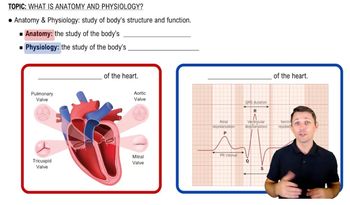
is the study of the
structure
of an organ, organ system, or organism, such as the structure of the heart.
진행 상황 추적
컨트롤 버튼이 '내비게이션' 모드로 변경되었습니다.
1/24
추천 영상
3:06
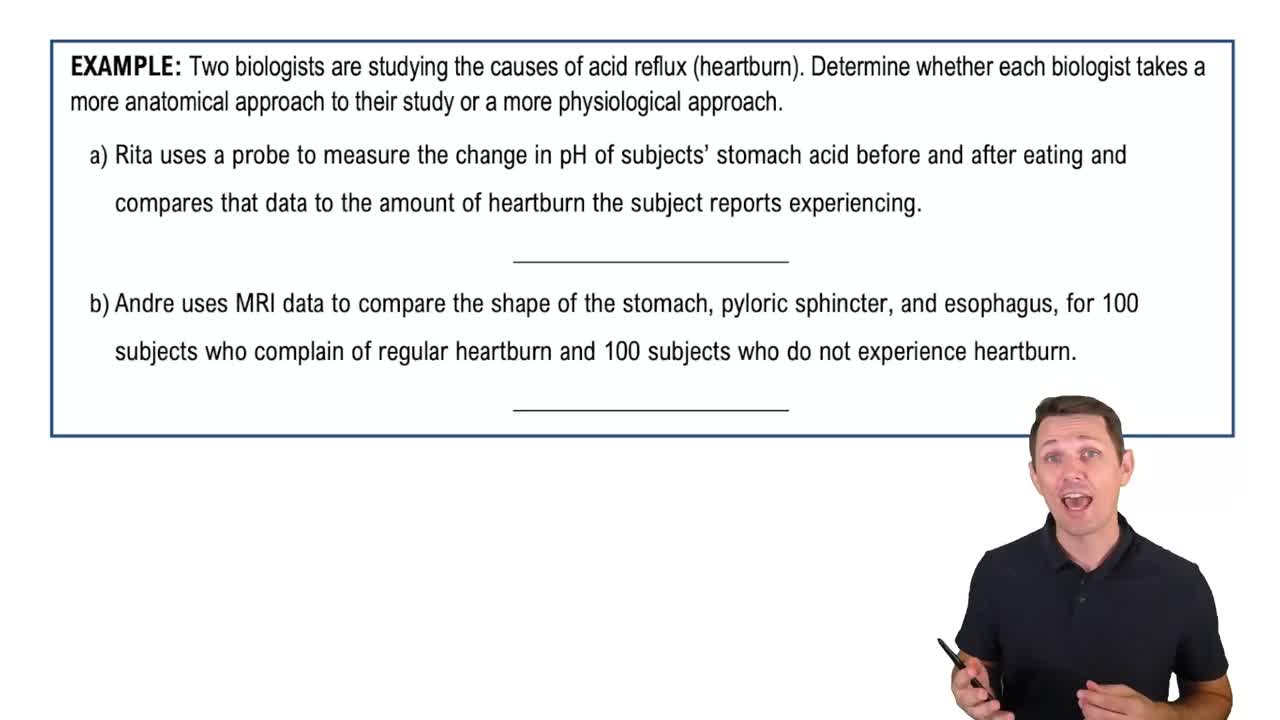
What is Anatomy & Physiology? Example 3
31462
views
738
rank
8
comments
01:58
What is Anatomy & Physiology? Example 2
42308
views
2356
rank
03:04
The Difference Between Anatomy and Physiology
83031
views
4013
rank
11
comments
이 집합의 용어 (24)
하이드의 정의
What is Anatomy?
Anatomy
is the study of the
structure
of an organ, organ system, or organism, such as the structure of the heart.
What is Physiology?
Physiology
is the study of the
function
of an organ, organ system, or organism, such as how the heart pumps blood.
What is Gross Anatomy and its subdivisions?
Gross Anatomy
studies structures visible to the naked eye. Subdivisions:
Regional
(specific areas),
Systemic
(systems),
Surface
(internal structures related to skin surface).
What is Microscopic Anatomy and its branches?
Microscopic Anatomy
studies structures requiring a microscope. Branches:
Cytology
(cells),
Histology
(tissues).
Define the Principle of Complementarity of Structure and Function.
Function always reflects structure; what a structure can do depends on its specific form, e.g., microvilli increase surface area for absorption.
List the levels of structural organization in the human body.
1) Chemical, 2) Cellular, 3) Tissue, 4) Organ, 5) Organ System, 6) Organismal.
What are the four main tissue types?
Epithelial
(covers/lines),
Connective
(supports/protects),
Muscular
(movement),
Nervous
(communication).
Name the 11 human organ systems.
Integumentary, Skeletal, Muscular, Nervous, Endocrine, Cardiovascular, Lymphatic/Immune, Respiratory, Digestive, Urinary/Renal, Reproductive.
What are the main functions of the Integumentary System?
Protects external body, synthesizes Vitamin D, senses external stimuli like pain and pressure.
Describe the main function of the Cardiovascular System.
Heart pumps blood; blood vessels transport oxygen, carbon dioxide, nutrients, and waste throughout the body.
What are the five necessary survival needs for humans?
Nutrients, Oxygen, Water, Normal Body Temperature, Atmospheric Pressure.
Define Homeostasis.
A state of dynamic equilibrium maintaining stable internal conditions despite external or internal changes.
What are the four components of a homeostatic control system?
1) Stimulus, 2) Receptor (sensor), 3) Control Center, 4) Effector.
Explain Negative Feedback in homeostasis.
Response reduces or shuts off original stimulus to return variable to set point, e.g., sweating to cool body.
Explain Positive Feedback in homeostasis.
Response enhances original stimulus to accelerate activity until a specific outcome, e.g., blood clotting or childbirth contractions.
What is the function of the Skeletal System?
Protects and supports organs, provides framework for muscles, stores minerals, and forms blood cells.
What is the function of the Muscular System?
Enables locomotion, facial expression, speech, movement of internal fluids, and heat production.
What is the role of the Nervous System?
Fast-acting control system that responds to stimuli via nerve impulses to muscles and glands.
What is the function of the Endocrine System?
Slow-acting control system that secretes hormones into the bloodstream to regulate growth, reproduction, and metabolism.
What is the function of the Respiratory System?
Keeps blood supplied with oxygen and removes carbon dioxide.
What is the function of the Digestive System?
Breaks down food into absorbable units and eliminates indigestible waste as feces.
What is the function of the Urinary System?
Eliminates nitrogenous wastes and regulates water, electrolyte, and acid-base balance in blood.
What is the function of the Reproductive System?
Produces offspring and sex hormones; site of fertilization and fetal development in females.
What are the necessary life functions?
Maintaining boundaries, movement, responsiveness, digestion, metabolism, excretion, reproduction, growth.
 뒤로뒤로
뒤로뒤로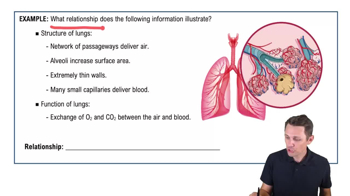
 3:06
3:06