 뒤로
뒤로Anatomy & Physiology Core Concepts and Systems
 3:06
3:06
이 집합의 용어 (24)
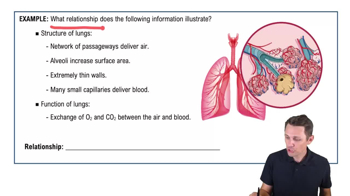
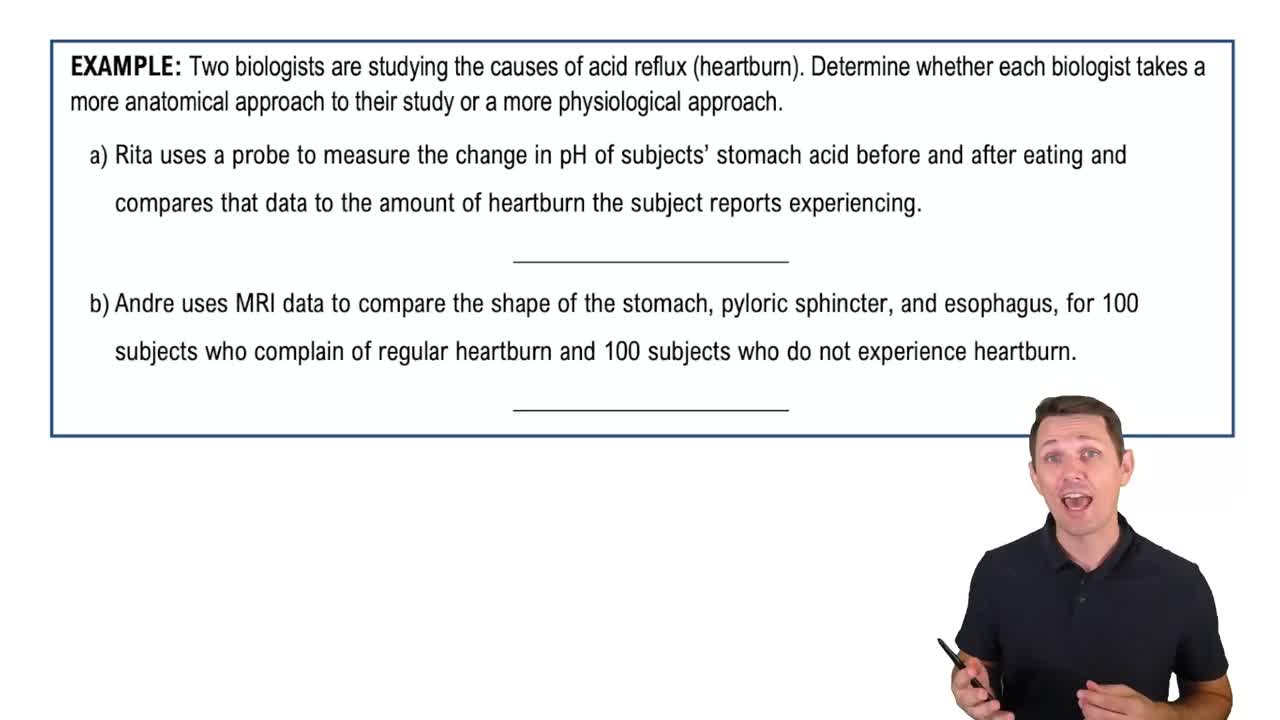
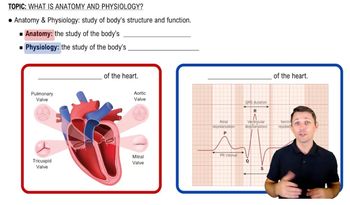
Anatomy is the study of how structures are arranged together in the body.
Physiology is the study of how structures function with each other.
Atom, molecule, cell, tissue, organ, organ system, organism.
Metabolism, responsiveness, movement, growth, differentiation, reproduction.
Protects the body from the external environment, produces vitamin D, retains water, and regulates body temperature.
Produces movement, controls body openings, and generates heat.
Supports and protects the body, provides leverage for movement, produces blood cells, and stores calcium salts.
Regulates body functions through rapid communication using action potentials.
Controls body functions slowly through hormones secreted by glands.
Pumps and delivers blood, exchanges nutrients, gases, and wastes throughout the body.
Returns excess tissue fluid to the cardiovascular system and provides immunity against disease.
Delivers oxygen to the blood, removes carbon dioxide, and maintains acid-base balance.
Obtains nutrients from ingested food and processes them for absorption.
Removes metabolic wastes, regulates blood volume and composition, and stimulates blood cell production.
Produces and transports gametes, secretes hormones, and supports fetal development (female).
Body upright, facing observer, head and eyes forward, feet flat and forward, upper limbs at sides, palms facing forward.
To describe one part of the body relative to another, e.g., anterior vs. posterior, lateral vs. medial.
Sagittal divides left and right, frontal divides anterior and posterior, transverse divides superior and inferior.
Double-walled membranes lining body cavities that do not open to the exterior, producing serous fluid to reduce friction.
Dynamic equilibrium of internal variables maintained by functional interactions and body fluid balance.
Receptor, control center, and effector regulate internal conditions in response to stimuli.
Negative feedback inhibits changes to maintain stability; positive feedback enhances changes, e.g., blood clotting.
Gradients drive physiological processes such as diffusion and nerve impulses.
It coordinates body functions and maintains homeostasis through signaling between cells.