Skip to main content
Anatomy & Physiology
나의 코스
배우기
시험 준비
AI 튜터
학습 가이드
교과서적 해결책
플래시카드
탐험해 보세요
앱을 사용해 보세요
나의 코스
배우기
시험 준비
AI 튜터
학습 가이드
교과서적 해결책
플래시카드
탐험해 보세요
앱을 사용해 보세요
뒤로
Anatomy & Physiology Exam 1 Key Concepts
카드를 뒤집기 위해 탭할 수 있습니다.
Anabolism vs Catabolism
카드를 뒤집기 위해 탭할 수 있습니다.
👆
Anabolism vs Catabolism
Anabolism
builds complex molecules for growth;
catabolism
breaks down molecules for energy.
진행 상황 추적
컨트롤 버튼이 '내비게이션' 모드로 변경되었습니다.
1/29
추천 영상
3:06
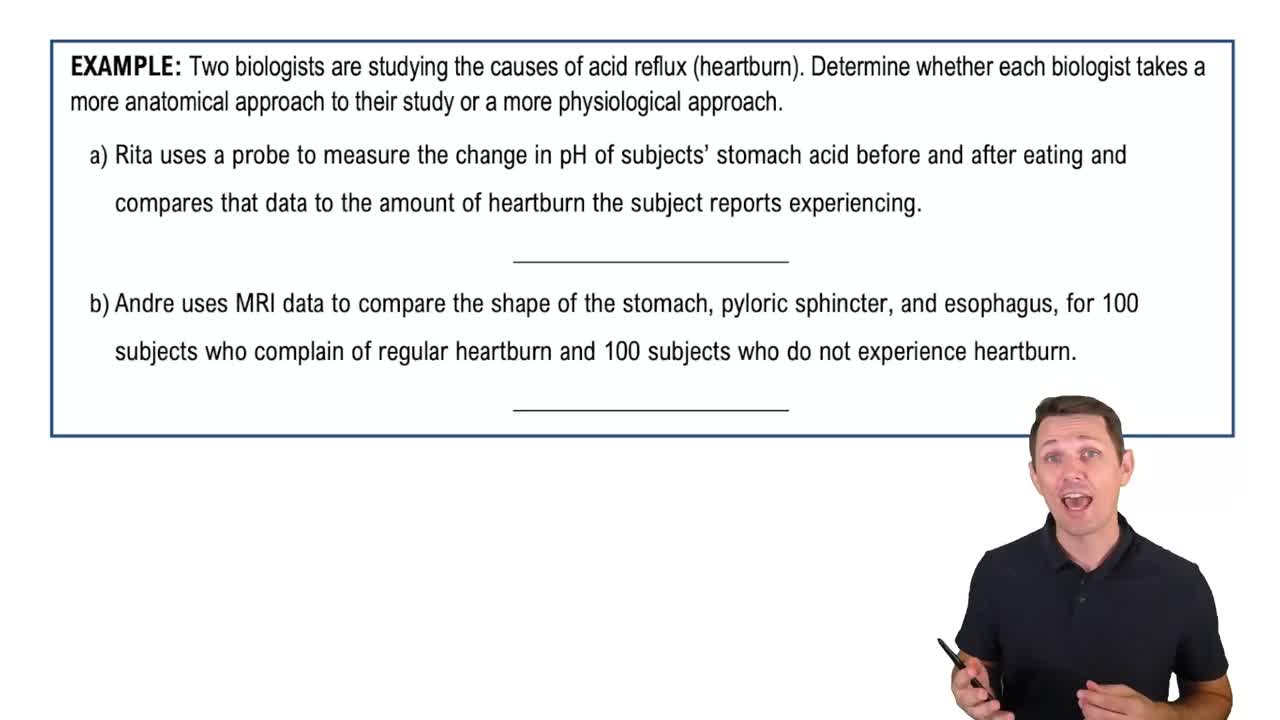
What is Anatomy & Physiology? Example 3
30626
views
701
rank
8
comments
01:58
What is Anatomy & Physiology? Example 2
41238
views
2267
rank
03:04
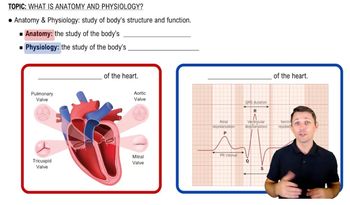
The Difference Between Anatomy and Physiology
81419
views
3886
rank
11
comments
이 집합의 용어 (29)
하이드의 정의
Anabolism vs Catabolism
Anabolism
builds complex molecules for growth;
catabolism
breaks down molecules for energy.
Levels of Structural Organization
From smallest to largest:
chemical, cellular, tissue, organ, organ system, organism
.
Histology vs Gross Anatomy
Histology
studies tissues microscopically;
gross anatomy
studies structures visible to the naked eye.
Anatomical Position
Body standing upright, facing forward, arms at sides, palms facing forward.
Directional Terms
Terms like
anterior/posterior, superior/inferior, medial/lateral
describe locations relative to the body.
Body Planes
Frontal
divides front/back,
sagittal
divides left/right,
transverse
divides top/bottom.
Body Cavities and Organs
Major cavities:
cranial, thoracic, abdominal, pelvic
; each contains specific organs.
Serous Membranes
Thin membranes lining cavities and organs; reduce friction with
parietal
and
visceral
layers.
Homeostasis
Maintenance of stable internal conditions despite external changes.
Negative vs Positive Feedback
Negative feedback
reverses a change;
positive feedback
amplifies a change.
Five Parts of a Feedback Loop
Receptor, control center, effector, stimulus, response
.
Complementarity of Structure and Function
Function depends on structure; form fits function in anatomy and physiology.
Gradient
A difference in concentration, pressure, or temperature that drives movement.
Cell-Cell Communication Example
Cells communicate via chemical signals like
hormones
or
neurotransmitters
.
Parts of an Atom
Protons
(+),
neutrons
(neutral),
electrons
(-); protons define element.
Octet Rule
Atoms tend to gain, lose, or share electrons to have 8 valence electrons.
Ionic vs Covalent Bonds
Ionic bonds
transfer electrons;
covalent bonds
share electrons.
Hydrophilic vs Hydrophobic Molecules
Hydrophilic
molecules interact with water;
hydrophobic
repel water.
Polar vs Nonpolar Covalent Bonds
Polar bonds
have unequal electron sharing;
nonpolar bonds
share electrons equally.
Enzymes and Reaction Rates
Enzymes
lower activation energy
and speed up chemical reactions.
Water as Universal Solvent
Water dissolves many substances due to its
polarity
and ability to form hydrogen bonds.
pH Scale Range
Measures acidity from
0 (acidic)
to
14 (basic)
, with 7 as neutral.
Buffers in Solution
Buffers maintain stable pH by binding or releasing hydrogen ions.
Monomers of Biomolecules
Carbohydrates:
monosaccharides;
proteins:
amino acids;
nucleic acids:
nucleotides.
Cell Membrane Functions
Controls entry/exit, provides protection, and facilitates communication.
Diffusion vs Facilitated Diffusion
Diffusion is passive movement; facilitated diffusion uses proteins to move molecules.
Osmosis
Movement of water across a membrane from low to high solute concentration.
Hypertonic, Hypotonic, Isotonic Solutions
Hypertonic shrinks cells; hypotonic swells cells; isotonic causes no change.
Active Transport
Energy-requiring process moving substances against their gradient.
 뒤로뒤로
뒤로뒤로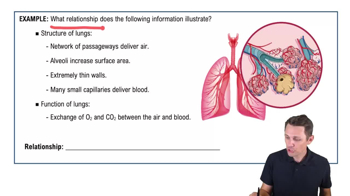
 3:06
3:06