 뒤로
뒤로Anatomy & Physiology: Human Body Orientation
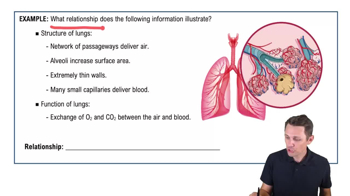
 3:06
3:06
이 집합의 용어 (27)
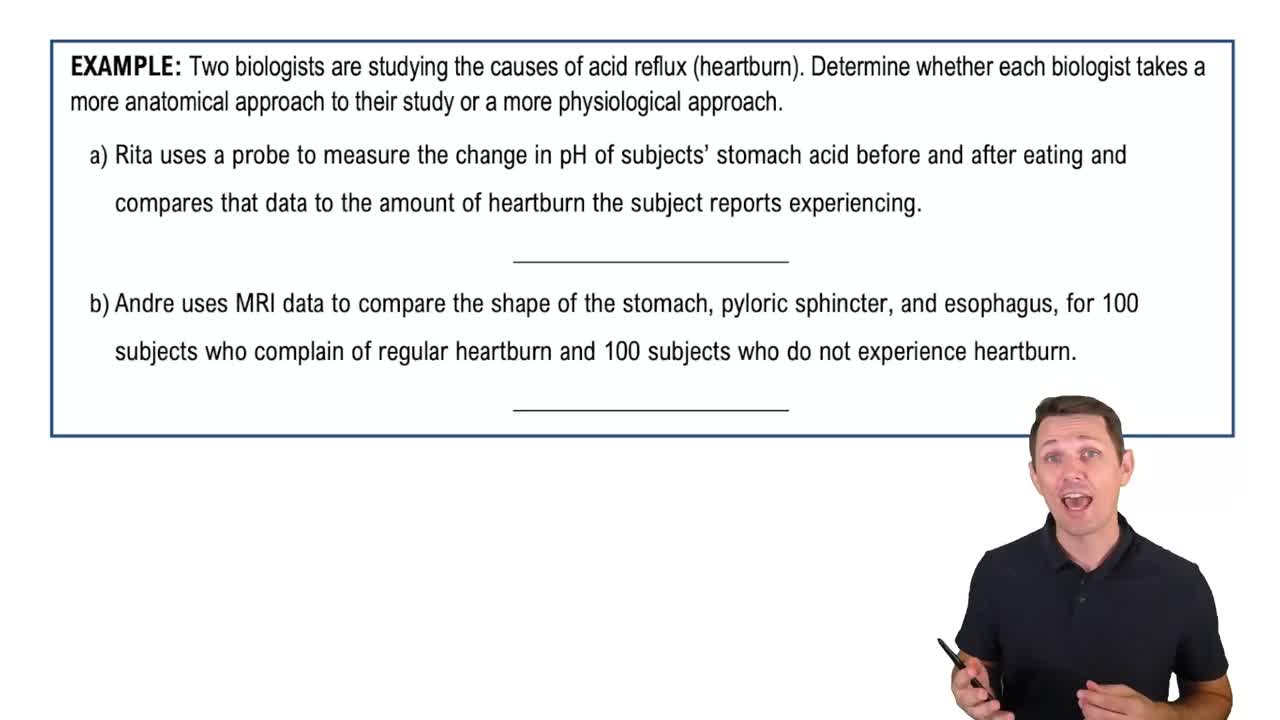
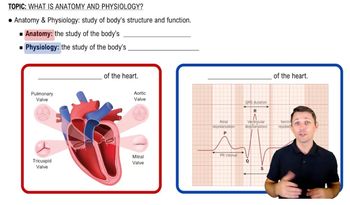
Anatomy is the study of the structure of the human body.
Physiology is the study of body function.
Gross, regional, systemic, surface, microscopic (histology), developmental, embryology, pathological, and radiographic anatomy.
Chemical → Cellular → Tissue → Organ → Organ System → Organismal
Epithelial, connective, muscle, and nervous tissues.
Body standing erect, facing forward, eyes forward, feet together, upper limbs at sides, palms facing anteriorly, thumbs pointing away from body.
Axial forms the main axis: head, neck, trunk. Appendicular includes limbs: upper and lower limbs.
Cephalic (head), frontal (forehead), cervical (neck).
Antecubital
Popliteal
Superior: toward the head or above. Inferior: toward the lower part or below.
Medial: toward the body's midline. Lateral: away from the midline.
Proximal: closer to the point of attachment. Distal: farther from the point of attachment.
Superficial: toward or at the body surface. Deep: farther from the surface, more internal.
Ipsilateral: same side of the body. Contralateral: opposite sides of the body.
Sagittal (right/left), frontal (anterior/posterior), transverse (superior/inferior).
A vertical plane dividing the body into equal right and left halves along the midline.
Cranial cavity (contains brain) and vertebral cavity (contains spinal cord).
The diaphragm separates the thoracic cavity from the abdominopelvic cavity.
Right pleural cavity, left pleural cavity, and mediastinum (which contains the pericardial cavity).
Parietal lines the cavity wall; visceral covers the organ surface.
Serous fluid reduces friction, allowing organs to slide smoothly during movement.
Located posterior to the peritoneum, outside the peritoneal cavity (e.g., kidneys).
Fist = organ; balloon touching fist = visceral serosa; outer balloon wall = parietal serosa; space between = serous cavity with fluid.
Integumentary, skeletal, muscular, nervous, endocrine, cardiovascular, lymphatic, respiratory, digestive, urinary, reproductive systems.
Tube-within-a-tube, bilateral symmetry, dorsal hollow nerve cord, notochord, segmentation, pharyngeal pouches.
The brain and spinal cord.