 뒤로
뒤로Anatomy & Physiology: Introduction and Chemical Level
 3:06
3:06
이 집합의 용어 (20)
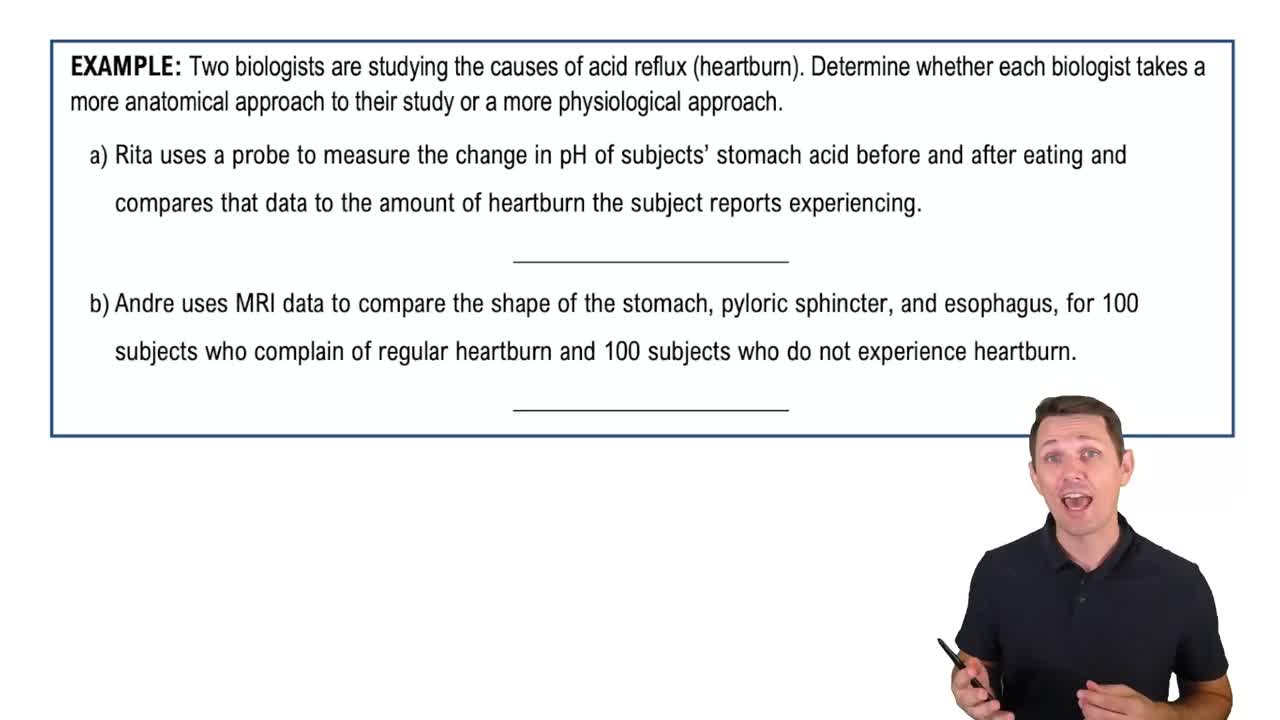
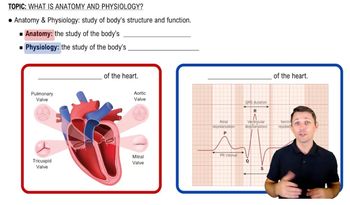
Anatomy is the study of the structure and shape of the body and its parts and their relationships to one another.
Physiology is the study of how the body and its parts work or function.
Gross Anatomy studies large structures visible to the naked eye, and Microscopic Anatomy studies small structures only visible through a microscope.
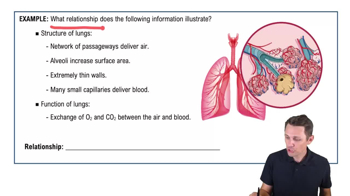
Structure determines function; changes in protein shape can change their function, and anatomical features like branching increase surface area for absorption and exchange.
Homeostasis is internal environment equilibrium involving a receptor (detects stimulus), control center (processes stimulus), and effector (responds to stimulus).
Positive feedback amplifies changes and can be out of control (e.g., blood clotting), while negative feedback regulates critical processes to maintain stability (e.g., temperature regulation).
Atoms → Molecules → Cells → Tissues → Organs → Organ Systems → Organism
Metabolism, Responsiveness, Movement, Growth, Development, Digestion, Excretion, and Reproduction.
Metabolism is the sum of all chemical processes; Anabolism builds large molecules, and Catabolism breaks down molecules.
Integumentary (protection), Muscular (movement), Nervous (response), Endocrine (hormones), Cardiovascular (transport), Lymphatic (infection defense), Respiratory (gas exchange), Digestive (nutrient absorption), Urinary (waste elimination), Reproductive (offspring production).
Sagittal (left/right), Frontal (front/back), and Transverse (top/bottom) planes divide the body into sections.
Superior: toward the head; Inferior: away from the head; Anterior: front of the body; Posterior: back of the body.
Upper Right, Upper Left, Lower Right, and Lower Left quadrants used to locate organs.
Cranial (head), Vertebral (spinal cord), Thoracic (chest), Abdominal (abdomen), and Pelvic (pelvis) cavities.
An atom is the smallest unit of an element, consisting of protons (positive), neutrons (neutral), and electrons (negative).
Ionic bonds form between oppositely charged ions; covalent bonds share electrons; hydrogen bonds are weak attractions between molecules like water.
Enzymes are biological catalysts that speed up chemical reactions by lowering activation energy and are highly specific to substrates.
Primary: amino acid sequence; Secondary: alpha-helix or beta-sheet folding; Tertiary: 3D folding of one chain; Quaternary: interaction of multiple protein chains.
Water is a universal solvent, provides lubrication, cushions cells, regulates temperature, and participates in chemical reactions.
ATP (Adenosine Triphosphate) is the energy currency of the cell, storing energy in phosphate bonds released during cellular activities.