 뒤로
뒤로Anatomy & Physiology: Introduction to Anatomy and Levels of Organization
 3:06
3:06
이 집합의 용어 (25)
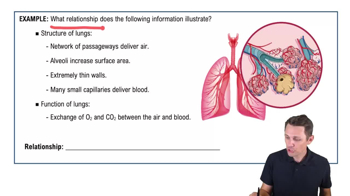
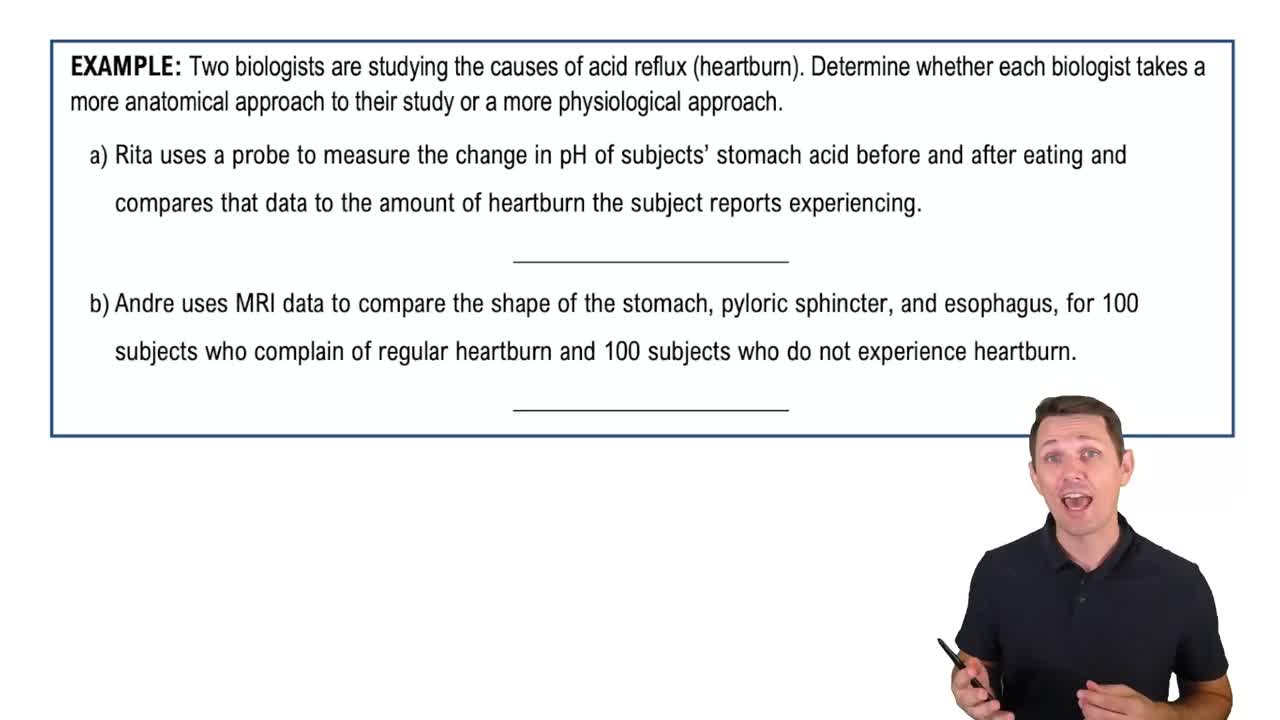
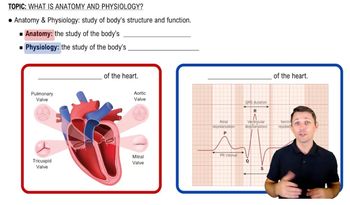
Anatomy is the study of the structures of the human body.
Atom, Molecule, Organelle, Cell, Tissue, Organ, Organ System, Organism.
Integumentary, Skeletal, Muscular, Nervous, Endocrine, Cardiovascular, Lymphatic, Respiratory, Digestive, Urinary, Reproductive.
Body standing upright, facing forward, feet flat and close together, arms at sides with palms facing forward.
Supine: lying face up; Prone: lying face down.
Cephalic (head), Thoracic (chest), Abdominal (abdomen).
Lumbar (lower back), Gluteal (buttocks), Sural (calf).
Right Upper Quadrant, Left Upper Quadrant, Right Lower Quadrant, Left Lower Quadrant.
Right hypochondriac, Epigastric, Left hypochondriac, Right lumbar, Umbilical, Left lumbar, Right iliac, Hypogastric, Left iliac.
Lateral / Medial
Proximal / Distal (used for limbs)
Superior / Inferior
Caudal / Cranial
Dorsal / Ventral
Anterior / Posterior
Deep / Superficial
Frontal (coronal) plane, Sagittal plane, Transverse (horizontal) plane.
Left pleural cavity (surrounds left lung), Right pleural cavity (surrounds right lung), Mediastinum (contains trachea, esophagus, major vessels), Pericardial cavity (surrounds heart).
Abdominal cavity (contains digestive glands and organs), Pelvic cavity (contains urinary bladder, reproductive organs, last portion of digestive tract).
Tissue is two or more different cell types working together for a common function.
An organ is composed of multiple tissue types working together to perform specific functions.
True.
True.
False.
Mouth: part of both the digestive and respiratory systems.