Skip to main content
Anatomy & Physiology
나의 코스
배우기
시험 준비
AI 튜터
학습 가이드
교과서적 해결책
플래시카드
탐험해 보세요
앱을 사용해 보세요
나의 코스
배우기
시험 준비
AI 튜터
학습 가이드
교과서적 해결책
플래시카드
탐험해 보세요
앱을 사용해 보세요
뒤로
Anatomy & Physiology Key Concepts
카드를 뒤집기 위해 탭할 수 있습니다.
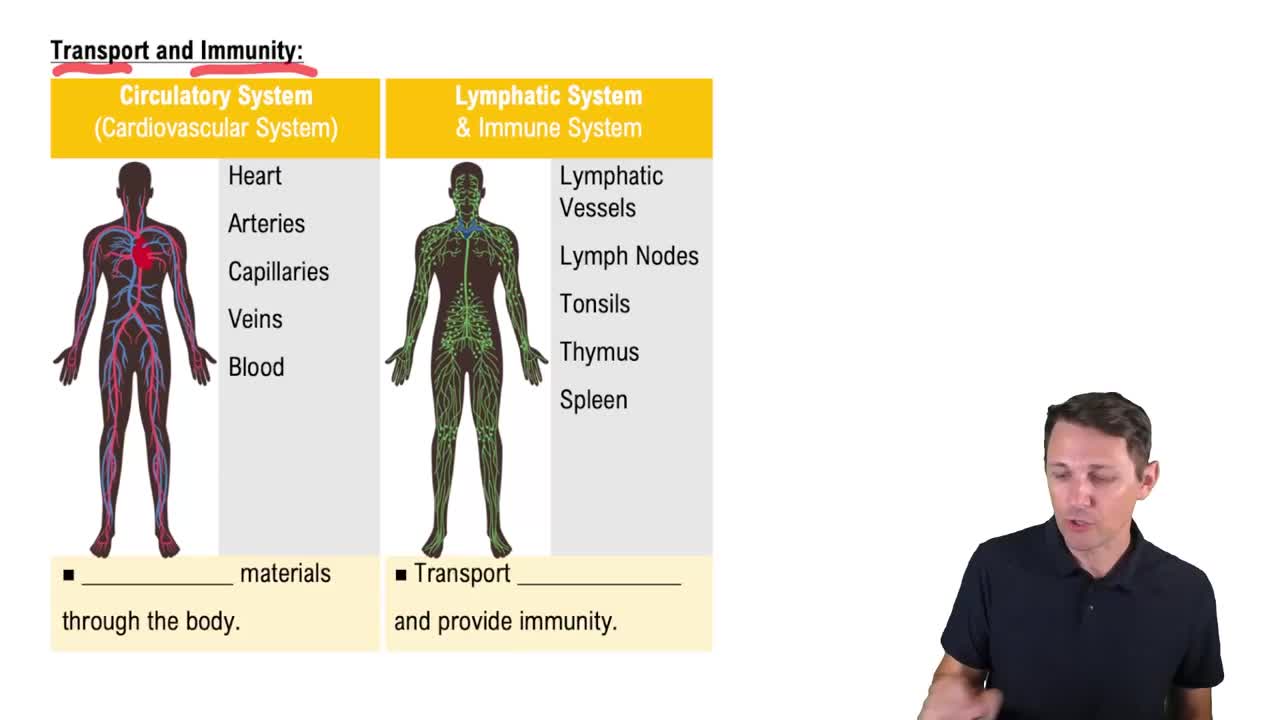
Cardiovascular system function
카드를 뒤집기 위해 탭할 수 있습니다.
👆
Cardiovascular system function
The
cardiovascular system
transports blood, nutrients, gases, and wastes throughout the body.
진행 상황 추적
컨트롤 버튼이 '내비게이션' 모드로 변경되었습니다.
1/29
추천 영상
02:29
Introduction to Organ Systems
27149
views
680
rank
02:18
Transport and Immunity
15283
views
411
rank
1
comments
02:12
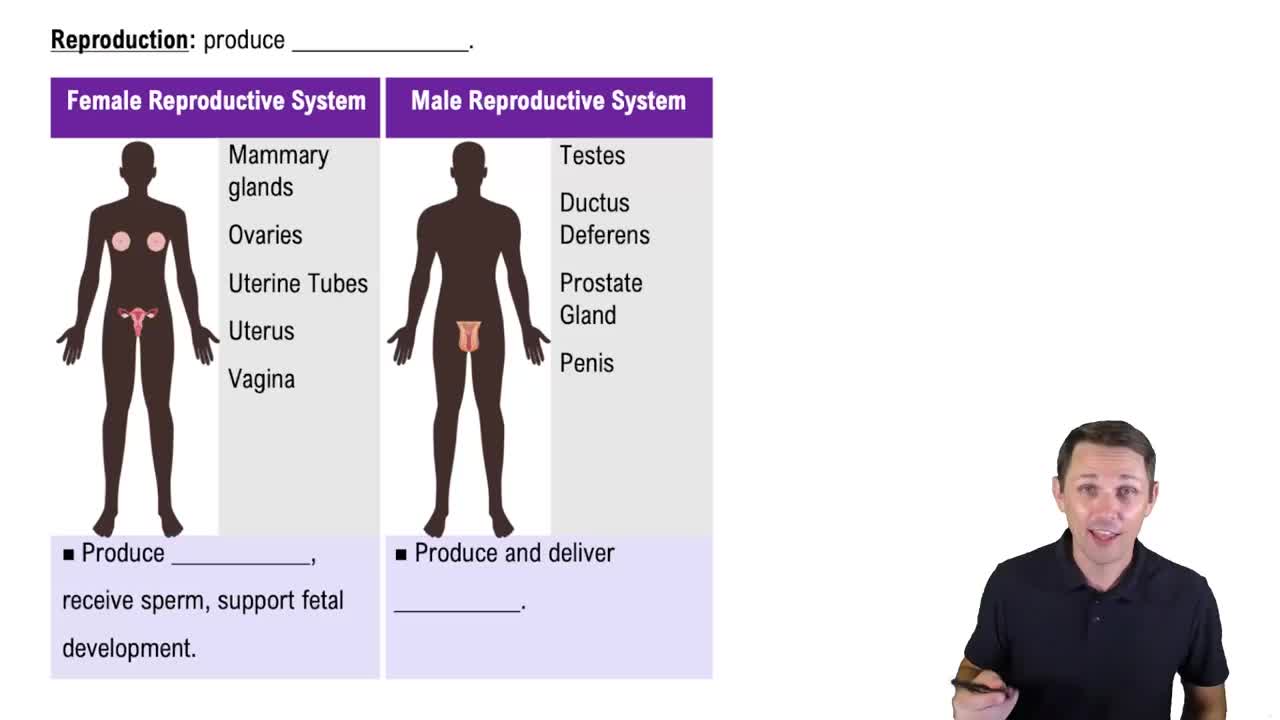
Reproduction
12796
views
339
rank
1
comments
이 집합의 용어 (29)
하이드의 정의
Cardiovascular system function
The
cardiovascular system
transports blood, nutrients, gases, and wastes throughout the body.
Endocrine system function
The
endocrine system
produces hormones that regulate body processes like growth, metabolism, and reproduction.
Anatomical position
The
anatomical position
is standing upright, facing forward, arms at sides with palms facing forward.
Medial vs. lateral
Medial
means toward the midline of the body;
lateral
means away from the midline.
Distal definition
Distal
refers to a point farther from the trunk or origin of a body part.
Body planes
The main
body planes
are sagittal (divides left/right), frontal (divides front/back), and transverse (divides top/bottom).
pH scale basics
pH
measures acidity or alkalinity; below 7 is acidic, 7 is neutral, above 7 is basic.
Charge of subatomic particles
Protons
are positive,
electrons
are negative, and
neutrons
have no charge.
Ionic vs. covalent bonds
Ionic bonds
transfer electrons;
covalent bonds
share electrons, which can be polar or non-polar.
Types of organic molecules
Key organic molecules include
sugars
,
amino acids
,
enzymes
, and
nucleic acids
like DNA.
DNA base pairing rules
In DNA,
A
pairs with
T
, and
C
pairs with
G
.
RNA base pairing difference
In RNA,
A
pairs with
U
(uracil) instead of thymine.
mRNA and tRNA roles
mRNA
carries the genetic code;
tRNA
brings amino acids and has anticodons matching mRNA codons.
Passive vs. active transport
Passive transport
moves substances without energy;
active transport
requires energy to move substances against gradients.
Epithelium characteristics
Epithelium
is tissue with tightly packed cells; simple epithelium has one cell layer.
Flexion and extension
Flexion
decreases joint angle;
extension
increases joint angle.
Abduction vs. adduction
Abduction
moves a limb away from the midline;
adduction
moves it toward the midline.
Osteocyte, osteoblast, osteoclast
Osteocytes
maintain bone,
osteoblasts
build bone, and
osteoclasts
break down bone.
Types of connective tissue
Includes
elastic connective tissue
,
dense fibrous connective tissue
,
fibrocartilage
, and
hyaline cartilage
.
Osteon and Haversian canal
An
osteon
is the structural unit of compact bone; the
Haversian canal
contains blood vessels and nerves.
Vertebral column regions
The vertebral column has
cervical
,
thoracic
, and
lumbar
regions with different movement abilities.
Atlas and axis functions
The
atlas
allows nodding ('yes'), and the
axis
allows rotation ('no') of the head.
Neuromuscular junction
The
neuromuscular junction
is where a motor neuron communicates with a muscle fiber to trigger contraction.
Muscle fiber types
Includes
slow oxidative
,
fast glycolytic
, and
fast oxidative
fibers with different endurance and power.
Central vs. peripheral nervous system
CNS
includes brain and spinal cord;
PNS
includes all nerves outside the CNS.
Supporting cells of CNS
Ependymal cells
line ventricles;
microglia
act as immune cells in the CNS.
Brainstem parts and functions
Includes
midbrain
,
pons
, and
medulla
; controls vital functions like breathing and heart rate.
Broca's and Wernicke's areas
Broca's area
controls speech production;
Wernicke's area
controls language comprehension.
Photoreceptors: rods vs. cones
Rods
detect light intensity;
cones
detect color.
 뒤로뒤로
뒤로뒤로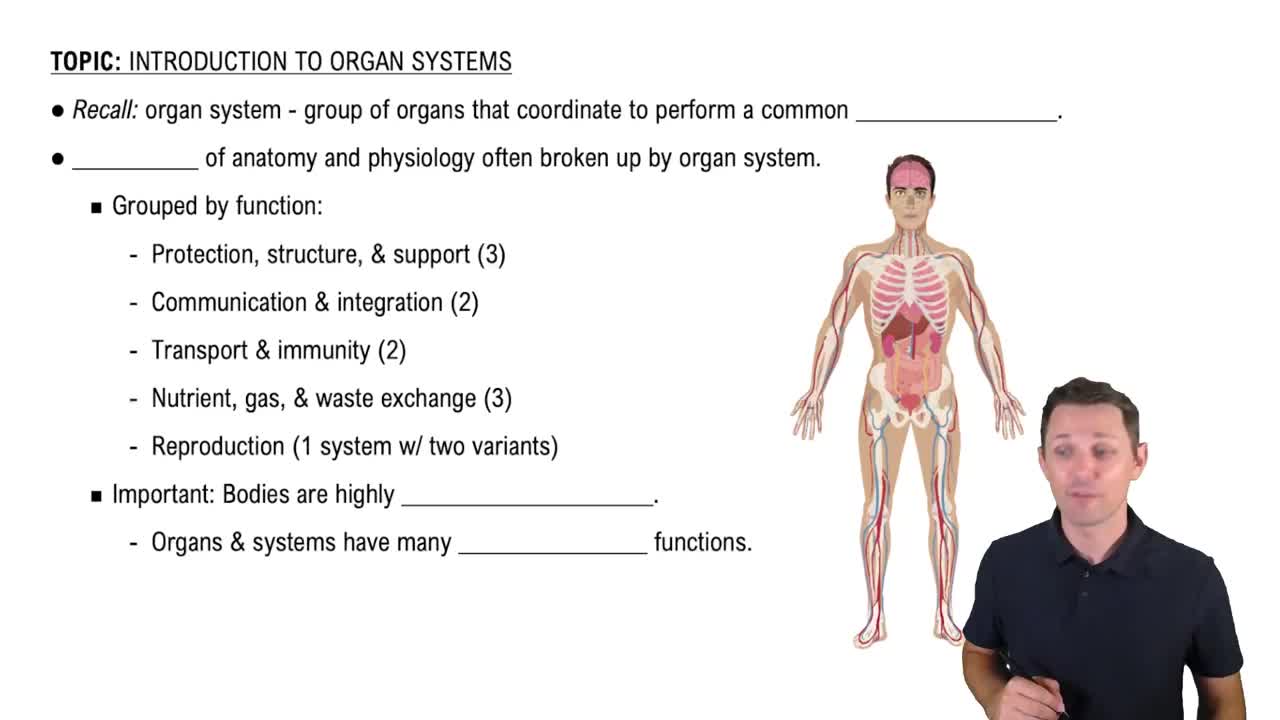
 02:29
02:29