 뒤로
뒤로Anatomy & Physiology Key Concepts
 3:06
3:06
이 집합의 용어 (36)
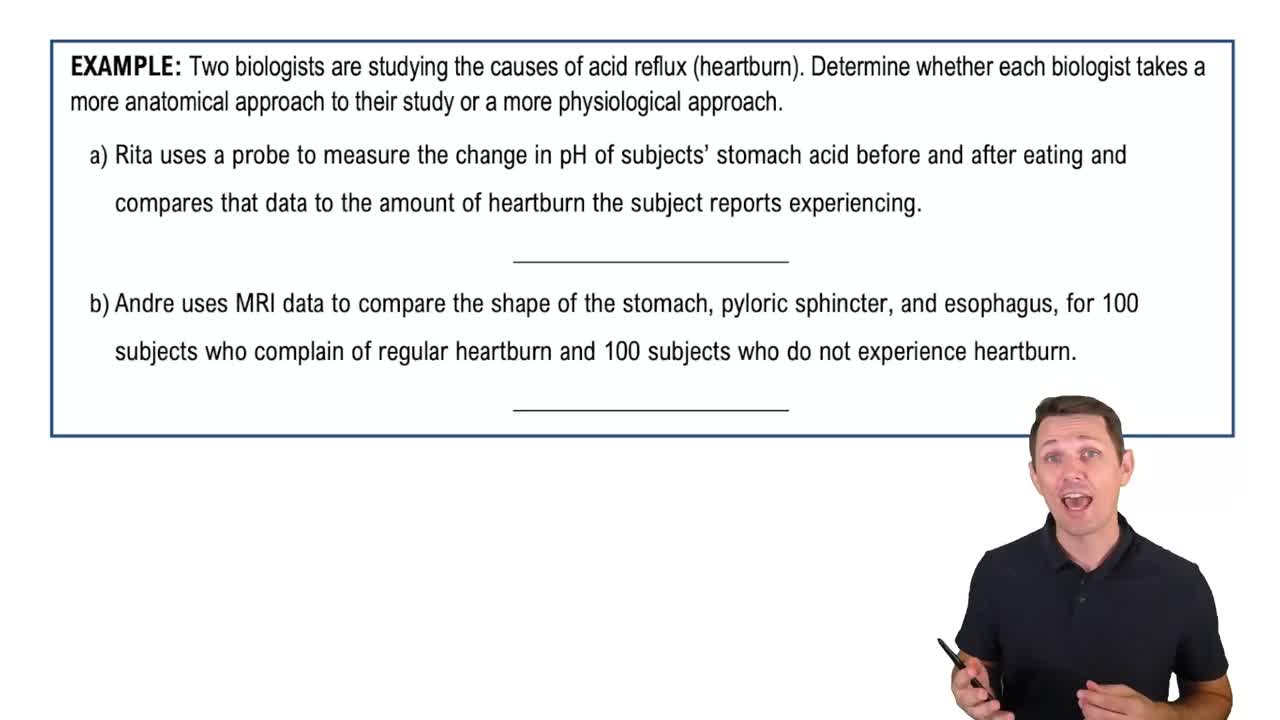
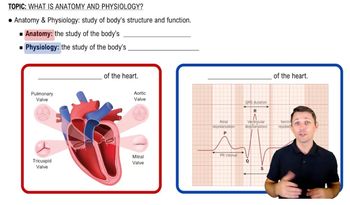
Anatomy studies the structure of body parts and their relationships to one another.
Physiology concerns the function of the body and how body parts work to carry out life-sustaining activities.
Chemical, Cellular, Tissue, Organ, Organ system, and Organismal levels.
Includes atoms, molecules, and organelles; the smallest unit is an atom.
A single cell made up of organelles, molecules, and atoms; the basic structural and functional unit of life.
Groups of similar cells working together toward a specific function, with a common embryological origin.
Epithelial, connective, muscular, and nervous tissues.
Contains two or more types of tissues working together.
Organs that work closely together to perform a common purpose.
All organ systems combined to make the whole living organism; the most complex level.
Separation between internal and external environments, such as plasma membranes for cells and skin for the organism.
Movement of body parts via skeletal muscles and movement of substances via cardiac and smooth muscles.
The ability to sense and respond to stimuli, such as withdrawal reflex and control of breathing rate.
Breakdown of ingested food into simple molecules absorbed into the blood for use by the body.
All chemical reactions in body cells, including catabolism (breakdown) and anabolism (synthesis).
Removal of metabolic and digestive wastes like urea, carbon dioxide, and feces.
Cellular: cell division for growth or repair; Organismal: production of offspring.
Increase in size of a body part or the entire organism.
Eleven organ systems that work together to maintain life.
Protects deeper tissues, forms external body covering, synthesizes vitamin D, and houses receptors and glands.
Protects and supports organs, provides framework for muscles, forms blood cells, and stores minerals.
Allows manipulation of environment, locomotion, facial expression, maintains posture, and produces heat.
Fast-acting control system responding to internal and external changes by activating muscles and glands.
Secretes hormones regulating growth, reproduction, and metabolism.
Transports blood carrying oxygen, carbon dioxide, nutrients, and wastes; heart pumps blood.
Returns leaked fluid to blood, disposes debris, and houses immune cells for defense.
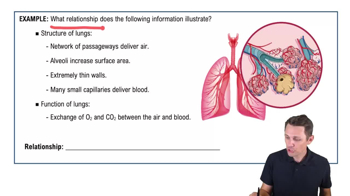
Supplies blood with oxygen and removes carbon dioxide via lung air sacs.
Breaks down food into absorbable units and eliminates indigestible food as feces.
Eliminates nitrogenous wastes and regulates water, electrolyte, and acid-base balance.
Male: produces sperm and hormones; Female: produces eggs, hormones, and supports fetal development.
Nutrients, oxygen, water, normal body temperature, and appropriate atmospheric pressure.
The maintenance of a relatively constant internal environment despite external changes.
Disturbance or alteration of the body's internal balance, leading to disease or dysfunction.
Receptor (detects change), control center (processes info), and effector (carries out response).
Output reduces or shuts off original stimulus to maintain balance, like a thermostat.
Response enhances original stimulus, accelerating the change; examples include blood clotting and labor contractions.