 뒤로
뒤로Anatomy & Physiology Key Concepts
 3:06
3:06
이 집합의 용어 (14)
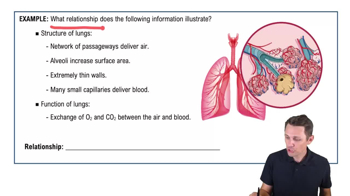
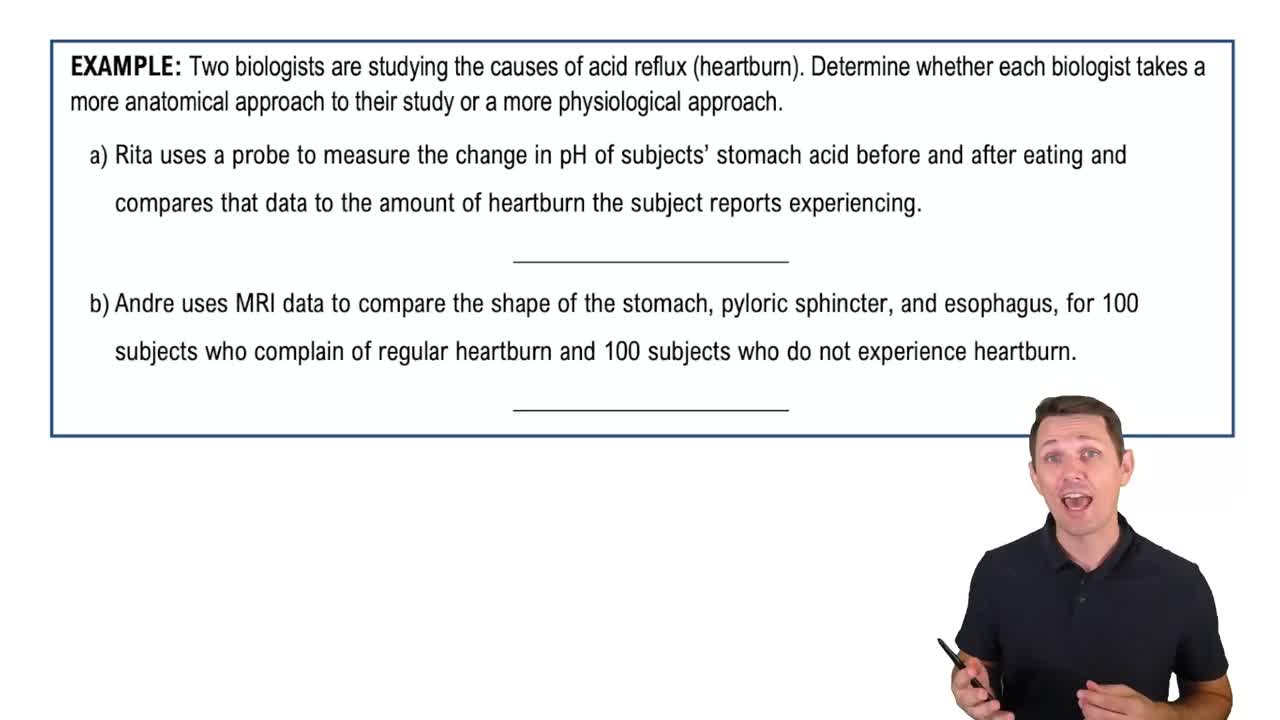
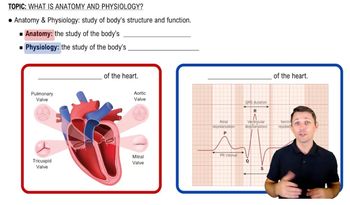
Anatomy is the study of the structure and organization of body parts.
Physiology is the study of the functions and processes of body parts.
Homeostasis is the body's ability to maintain a stable internal environment despite external changes.
Negative feedbackpositive feedback amplifies a change.
The pleura is a double-layered membrane surrounding the lungs and lining the chest cavity.
Examples include the circulatory, respiratory, nervous, digestive, and musculoskeletal systems.
An atom is the smallest unit of matter, consisting of protons, neutrons, and electrons.
Protons have a positive charge.
Electrons have a negative charge.
Neutrons have no electrical charge; they are neutral.
Electrons are arranged in electron shells or energy levels around the nucleus.
Carbon has 6 protons and 6 electrons; the example mentions 8 neutrons.
Neurons are nerve cells that transmit electrical signals throughout the body.
Medical imaging is used to visualize internal body structures for diagnosis and treatment.