 뒤로
뒤로Anatomy & Physiology: Orientation to the Human Body
 3:06
3:06
이 집합의 용어 (19)
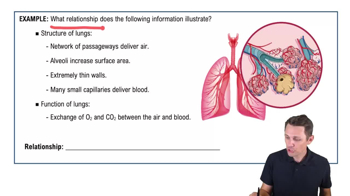
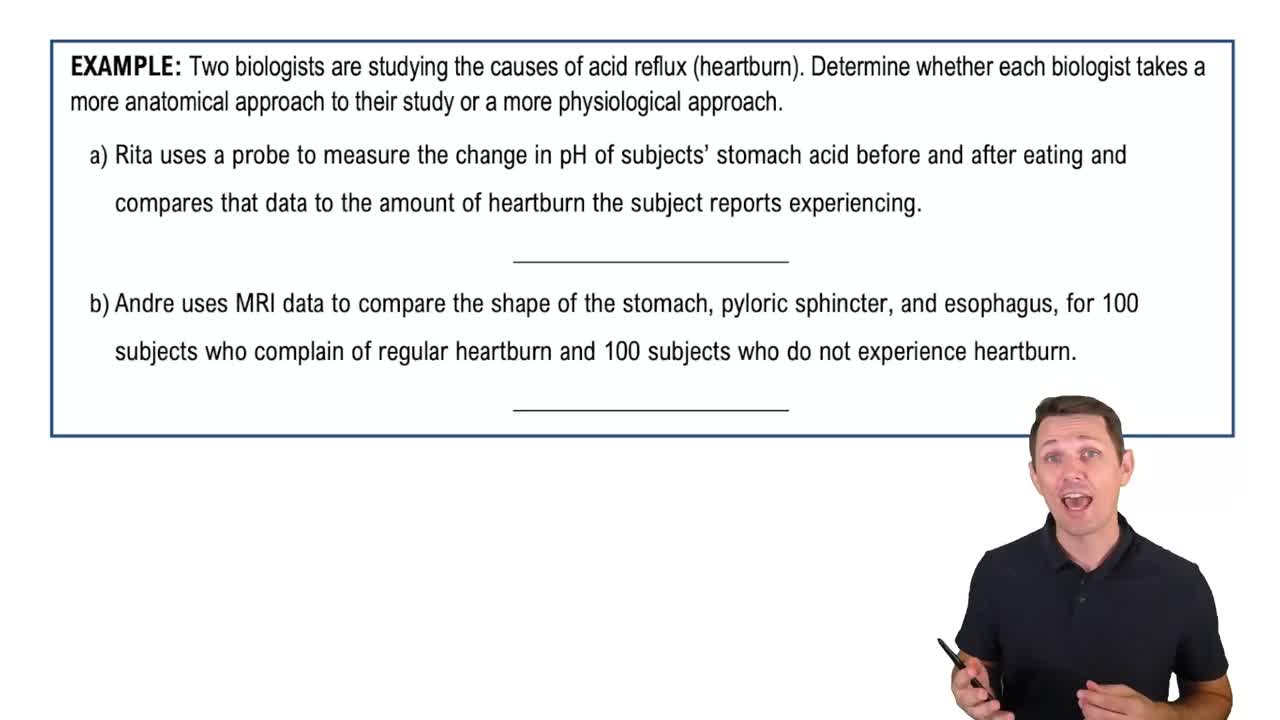
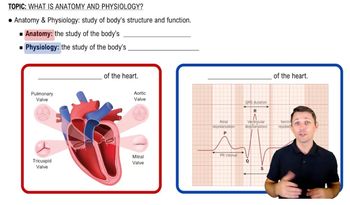
Anatomy is the study of body structure; physiology is the study of body function. They are related because structure influences function.
Levels include chemical, cellular, tissue, organ, organ system, and organism levels.
Cells are the basic unit of life; tissues are groups of similar cells performing a common function.
Major systems include integumentary, skeletal, muscular, nervous, endocrine, cardiovascular, lymphatic, respiratory, digestive, urinary, and reproductive.
Each system has specific roles, e.g., skeletal supports and protects, nervous controls body activities, digestive processes food.
Include maintaining boundaries, movement, responsiveness, digestion, metabolism, excretion, reproduction, and growth.
Include nutrients, oxygen, water, normal body temperature, and appropriate atmospheric pressure.
Homeostasis is the body's ability to maintain a stable internal environment despite external changes.
It is essential for normal body function and survival by regulating internal conditions.
Negative feedback reverses a change to return the body to its set point, e.g., temperature regulation.
Positive feedback amplifies a response until a specific event occurs, e.g., blood clotting.
Disruptions can lead to disease or death by impairing normal body functions.
The body stands erect, facing forward, feet flat, arms at sides with palms facing forward.
Terms include superior, inferior, anterior, posterior, medial, lateral, proximal, and distal.
Include sagittal (divides left/right), frontal (divides front/back), and transverse (divides top/bottom).
Include dorsal cavity (cranial and spinal) and ventral cavity (thoracic and abdominopelvic).
Include the heart and lungs.
Include the stomach, liver, intestines, bladder, and reproductive organs.
Thin membranes lining cavities and organs that reduce friction during movement.