 뒤로
뒤로Anatomy & Physiology: The Human Body Orientation
 3:06
3:06
이 집합의 용어 (27)
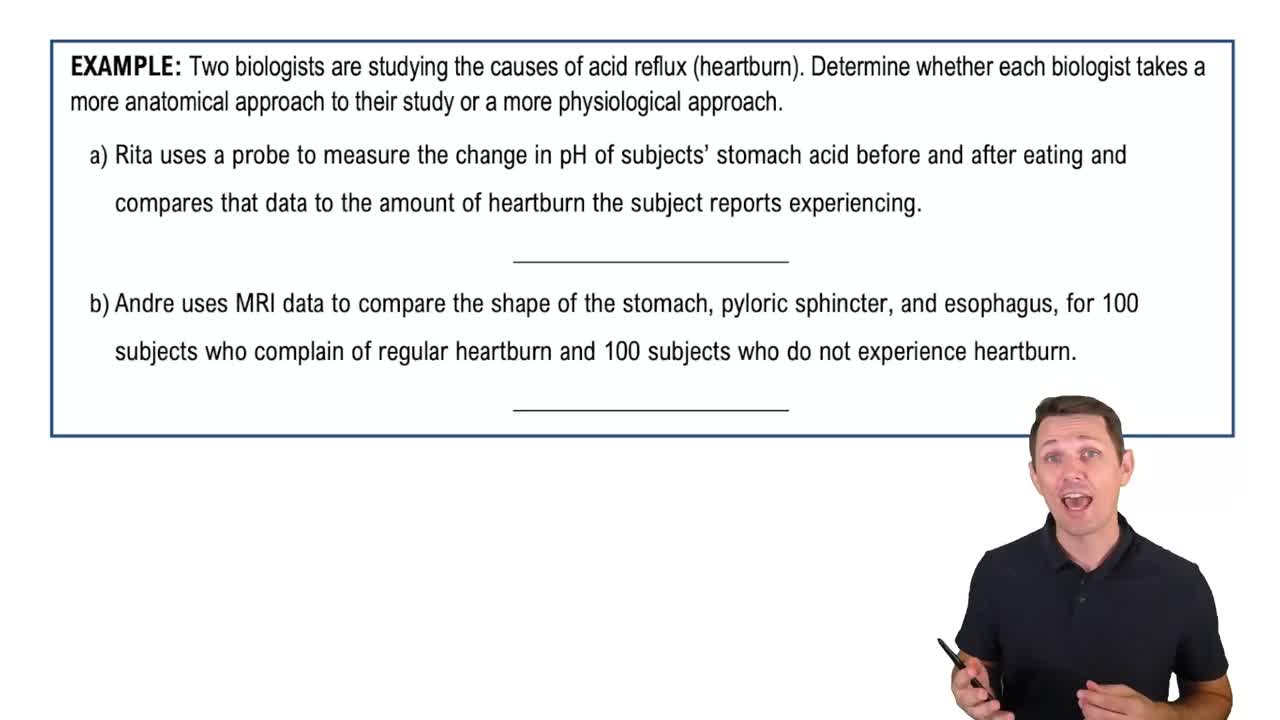
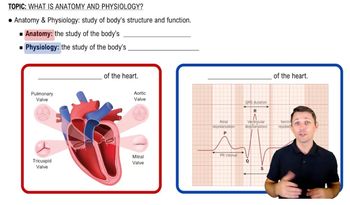
Anatomy is the study of internal and external body structures and their physical relationships among other body parts
Physiology is the study of how living organisms perform their functions
Gross Anatomy is the study of the structural features of the body without the aid of a microscope/visible to the naked eye
Microscopic Anatomy studies structures too small to be seen with the naked eye, such as cells and tissues
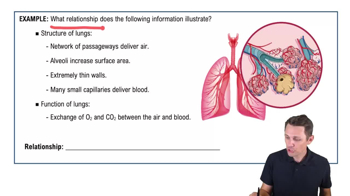
All specific functions are performed by specific structures, and the form of a structure relates to its function
Chemical, Cellular, Tissue, Organ, Organ System, Organismal levels.
Integumentary, Skeletal, Muscular, Nervous, Endocrine, Cardiovascular, Lymphatic (immunity), Respiratory, Digestive, Urinary/Excretory, and Reproductive systems.
Maintain boundaries, movement, responsiveness, digestion, metabolism, excretion, reproduction, and growth.
Homeostasis is the body's ability to maintain a stable internal environment despite external changes.
A variable is any factor or condition that can change in the body, such as temperature or blood sugar.
A receptor monitors changes in the environment and sends information to the control center.
The control center processes information from the receptor and determines the appropriate response.
An effector carries out the response directed by the control center to adjust the variable.
Negative feedback reduces or shuts off the original stimulus to maintain homeostasis.
Positive feedback enhances or exaggerates the original stimulus, usually to complete a process.
Homeostatic imbalance occurs when the body’s control systems fail, leading to disease or disorder.
The standard body position: standing upright, feet parallel, arms at sides, palms facing forward.
Superior means toward the head; Inferior means away from the head or toward the feet.
Anterior means toward the front; Posterior means toward the back of the body.
Medial is toward the midline; Lateral is away from the midline; Intermediate is between two structures.
Proximal means closer to the origin of a body part; Distal means farther from the origin.
Frontal (coronal), Sagittal (mid and para), and Transverse (horizontal) planes.
Dorsal (cranial and vertebral) and Ventral (thoracic, abdominal, pelvic) cavities.
Pleural cavities (lungs) and Pericardial cavity (heart).
The combined abdominal and pelvic cavities containing digestive, urinary, and reproductive organs.
Right and Left Hypochondriac, Epigastric, Right and Left Lumbar, Umbilical, Right and Left Iliac (inguinal), Hypogastric (pubic) regions.
Right Upper, Left Upper, Right Lower, and Left Lower Quadrants.