 뒤로
뒤로Anatomy & Physiology Unit 1 Study Guide
 3:06
3:06
이 집합의 용어 (30)
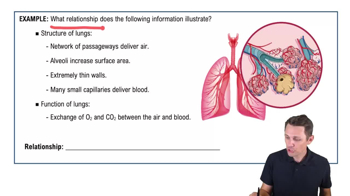
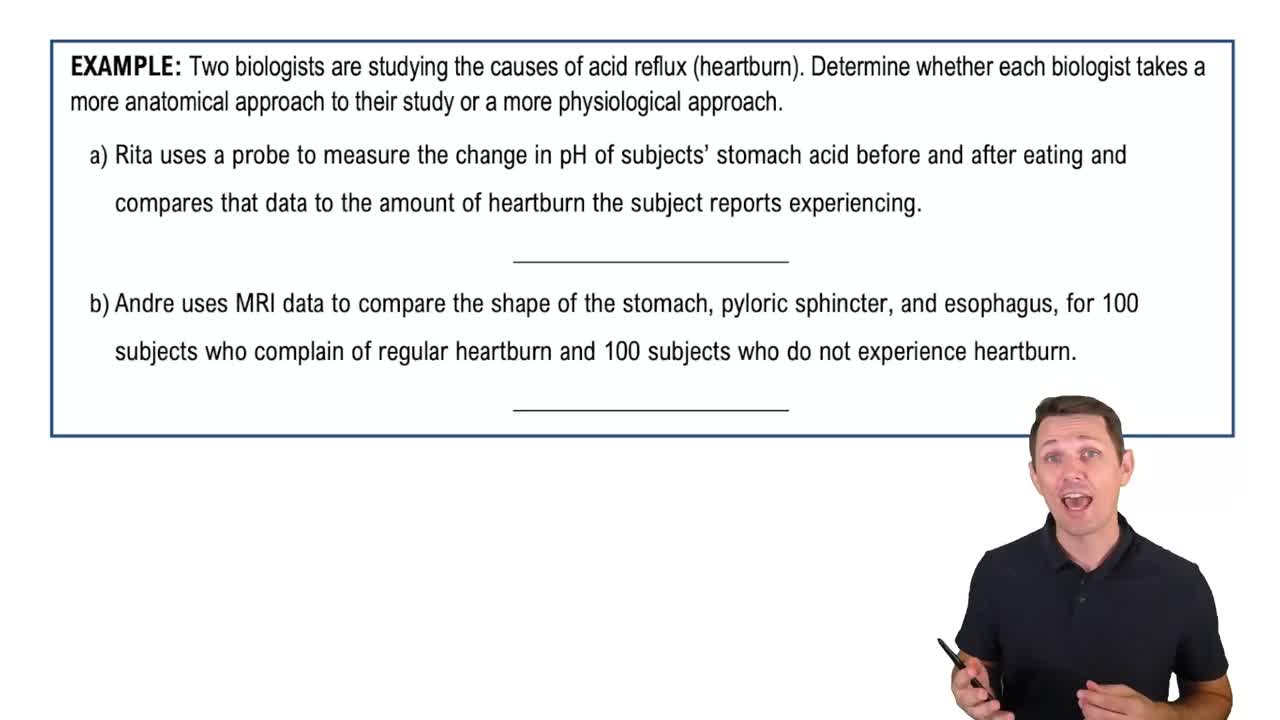
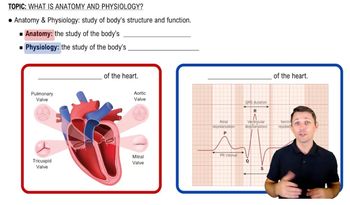
Anatomy is the study of body structure, including gross anatomy, histology (tissues), and cytology (cells).
Physiology is the study of body function and how the body parts work and carry out life-sustaining activities.
Observation, hypothesis, experimentation, data collection, analysis, conclusion, and communication.
Organization, metabolism, growth, development, responsiveness, regulation, and reproduction.
Atoms, cells, tissues, organs, organ systems, organism.
Protects the body, regulates temperature, and provides sensory information.
Body standing upright, facing forward, feet flat and slightly apart, arms at sides with palms facing forward.
Sagittal (divides left and right), frontal/coronal (divides front and back), transverse (divides top and bottom).
Terms like superior/inferior, anterior/posterior, medial/lateral, proximal/distal used to describe locations on the body.
Dorsal cavity (cranial and spinal) and ventral cavity (thoracic and abdominopelvic).
Reduces friction between membranes lining body cavities and organs.
Right hypochondriac, epigastric, left hypochondriac, right lumbar, umbilical, left lumbar, right iliac, hypogastric, left iliac.
The body's ability to maintain a stable internal environment despite external changes.
Receptor, control center, and effector.
Negative feedback reverses a change to maintain stability; positive feedback amplifies a response.
Atoms are basic units of matter made of protons (+), neutrons (neutral), and electrons (-).
Atoms tend to gain, lose, or share electrons to have eight electrons in their valence shell.
Ionic bonds form by transfer of electrons; covalent bonds form by sharing electrons.
Nonpolar have equal electron sharing, polar have unequal sharing, amphipathic have both polar and nonpolar regions.
Amino acids, monosaccharides, fatty acids/glycerol, and nucleotides respectively.
Glycogenesis is the formation of glycogen; glycogenolysis is the breakdown of glycogen.
ATP, glycogen, and triglycerides (lipids).
Potential energy is stored energy; kinetic energy is energy of motion.
Anabolic builds molecules and requires energy; catabolic breaks down molecules and releases energy.
Exergonic reactions release energy; endergonic reactions require energy input.
Reactions involving the transfer of electrons: oxidation (loss) and reduction (gain).
ATP formation is an endergonic process requiring energy input.
The energy needed to start a chemical reaction.
A temporary molecule formed when an enzyme binds to its substrate.
Substrate binds enzyme, enzyme-substrate complex forms, reaction occurs, product released, enzyme is free to bind again.